13 Travel Mistakes I've Made After 16 Years of Solo Travel (And How to Avoid Them)
After more than 16 years of travel, 50+ countries, and living in eight different countries, I've made my fair share of travel mistakes.
I've overpacked.
I've gotten lost.
I've paid too much for transportation.
I've lost my passport.
I've had my wallet stolen.
And I've definitely assumed I knew what I was doing more than once.
The funny thing is that most of these mistakes weren't trip-ending disasters.
In fact, some of them eventually became great stories.
Others taught me lessons that still influence how I travel today.
The difference between an experienced traveler and a new traveler isn't that one of them never makes mistakes.
It's that one of them has already made most of them.
The good news?
Many of the most common travel mistakes are completely avoidable.
Here are 13 travel mistakes I've made—or watched other travelers make—and the lessons I learned from them.

One of my first big adventures in Australia - back when I thought I had travel figured out. Turns out, I was just getting started.
1. Overpacking
If there's one mistake almost every traveler makes on their first trip, it's overpacking.
Trust me, I was no exception.
When I first started traveling, my mom helped me pack. Between the two of us, we managed to prepare for every possible scenario that could ever happen.
Extra clothes.
Extra shoes.
Extra "just in case" outfits.
The problem?
I rarely used half of it.
I'd drag a heavy backpack or suitcase across airports, train stations, and city streets only to bring most of those items home untouched.
Over time, I realized I wasn't actually making travel easier for myself.
I was making it harder.
These days, I pack completely differently. I know what I wear, what I use, and what can stay at home. In fact, when I travel with my mom now, I'm usually the one taking things out of her suitcase.
One of the best packing rules I've developed over the years is simple:
If I buy something, something else has to go.
Whether it's a new shirt, a souvenir, or something I picked up at a local market, I try not to keep adding items to my bag without removing something else.
Not only does it stop my luggage from overflowing, but it also leaves room for the things I genuinely want to bring home.
That's why I always travel with clothes I'm okay with leaving behind if necessary.
Travel is much easier when you give yourself space instead of filling every inch of your suitcase before you even leave.
How to Avoid This Mistake
Pack for one week, regardless of trip length.
Choose clothes that can be mixed and matched.
Leave some space in your luggage before you leave home.
If you buy something, consider getting rid of something.
Remember that most destinations have stores if you truly forget something.
The less you carry, the more freedom you have.
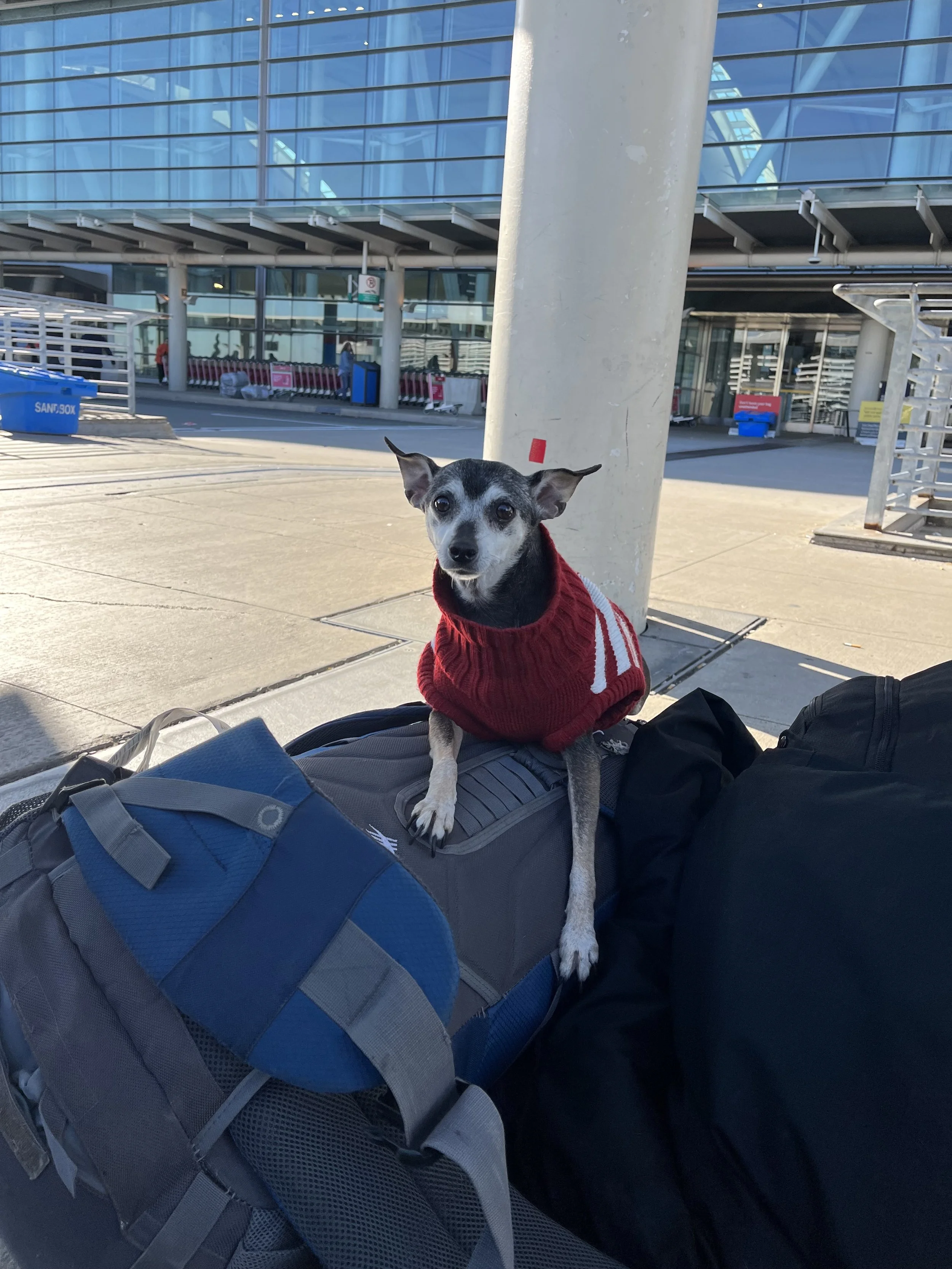
Overpacking makes every travel day harder. These days, I pack lighter and leave room for the unexpected.
2. Not Downloading Google Maps Offline
I learned about offline Google Maps years ago.
The problem?
Actually remembering to use them.
Most recently, I was reminded of this while visiting a provincial park.
I figured I wouldn't need to download the map beforehand. I wasn't traveling internationally. I wasn't deep in the wilderness.
It seemed like the kind of place where my phone would just work.
It didn't.
The moment I needed directions, my map wouldn't load.
No data.
No directions.
And, of course, I got lost.
The frustrating part wasn't that I didn't know better.
The frustrating part was that I did.
I've been using offline Google Maps for years. I recommend them all the time. Yet somehow, I still found myself wishing I had spent thirty seconds downloading the map before I left.
Sometimes travel mistakes aren't beginner mistakes.
They're human mistakes.
How to Avoid This Mistake
Download Google Maps before every trip.
Save your accommodation.
Save airports, bus stations, and attractions.
Take screenshots of important directions.
You may never need them.
But if you do, you'll be very glad they're there.
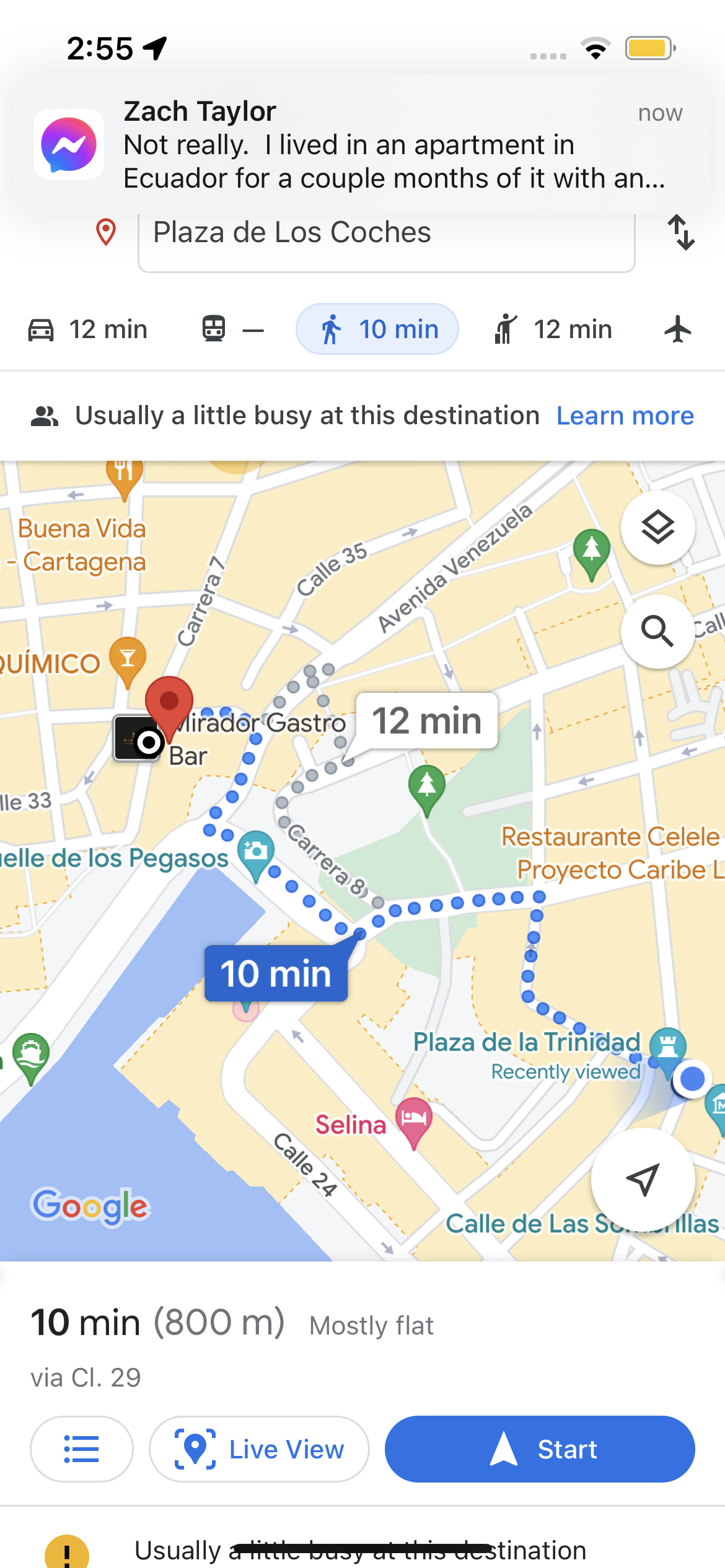
Offline Google Maps has become one of my favorite travel tools.
3. Trying to See Everything
This is one of the most common travel mistakes I see.
And honestly?
It drives me a little crazy.
I have friends who will fly somewhere, visit all the famous attractions in a day or two, take a few photos, and then move on to the next destination.
Technically, they've been there.
But have they actually experienced it?
I'm not so sure.
Travel isn't a checklist.
Some of my favorite memories happened when I slowed down long enough to notice what was around me.
A conversation with a local.
A random sunset.
A small restaurant that wasn't in any guidebook.
Watching daily life happen.
I learned this lesson during my travels through Costa Rica and Nicaragua. On paper, I was seeing incredible places.
But I was moving so quickly that I wasn't fully enjoying them.
Every day had a schedule.
Every stop had a purpose.
Every experience was followed by the next one.
I wasn't experiencing the trip.
I was chasing it.
These days, I'd rather spend four days somewhere and truly enjoy it than race through four destinations just so I can say I've been there.
How to Avoid This Mistake
Don't plan every hour.
Build free time into your itinerary.
Spend longer in fewer places.
Leave room for unexpected discoveries.
The goal isn't to see the most places.
The goal is to enjoy the places you see.
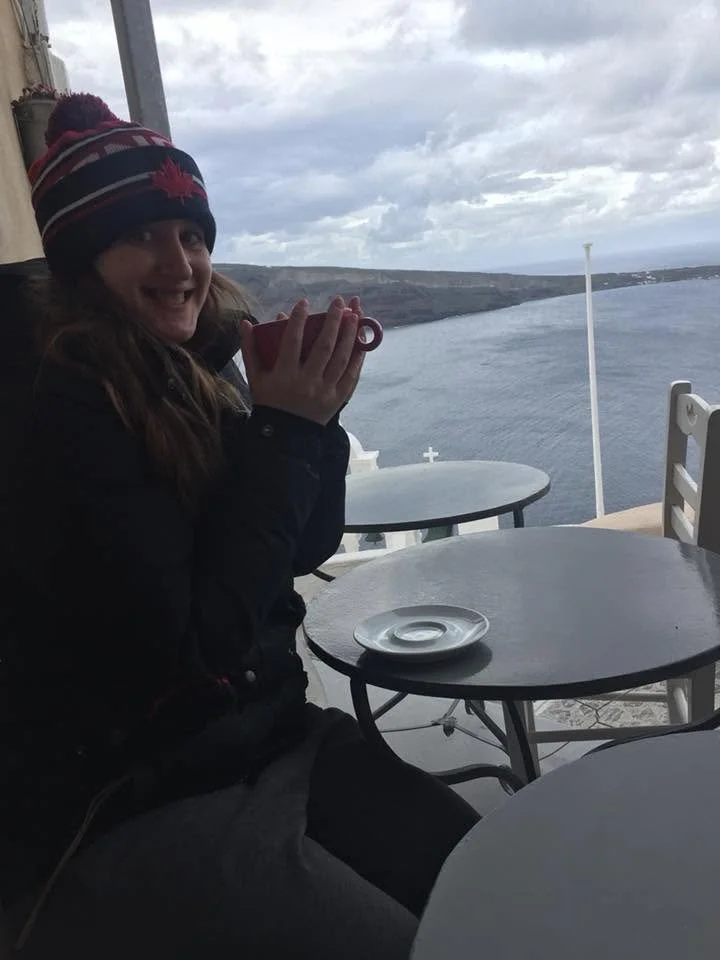
Not seeing everything gave me more time to appreciate where I already was.
4. Not Researching Transportation Before You Arrive
Transportation can make or break a trip.
It's also one of the easiest ways to waste money if you haven't done a little research beforehand.
This is one mistake I don't make very often anymore because I've learned what can happen when you don't know your options.
Taxis and tuk-tuks have a habit of spotting tourists from a mile away.
If you don't know the normal price, it's very easy to end up paying double—or more.
That's one of the reasons I research transportation before I arrive somewhere new.
I like knowing how to get from the airport to my accommodation, what public transportation is available, and whether ride-share apps operate in the area.
Thankfully, transportation has become easier over the years.
Apps like Uber, Grab, and DiDi have removed a lot of the guesswork.
But not every destination has them.
A little research before you arrive can save you money, stress, and a lot of confusion.
How to Avoid This Mistake
Research airport transportation before you land.
Check whether Uber, Grab, or DiDi operate in the destination.
Ask locals for recommendations.
Learn typical taxi fares when possible.
The easiest way to avoid transportation scams is to know your options before you need them.
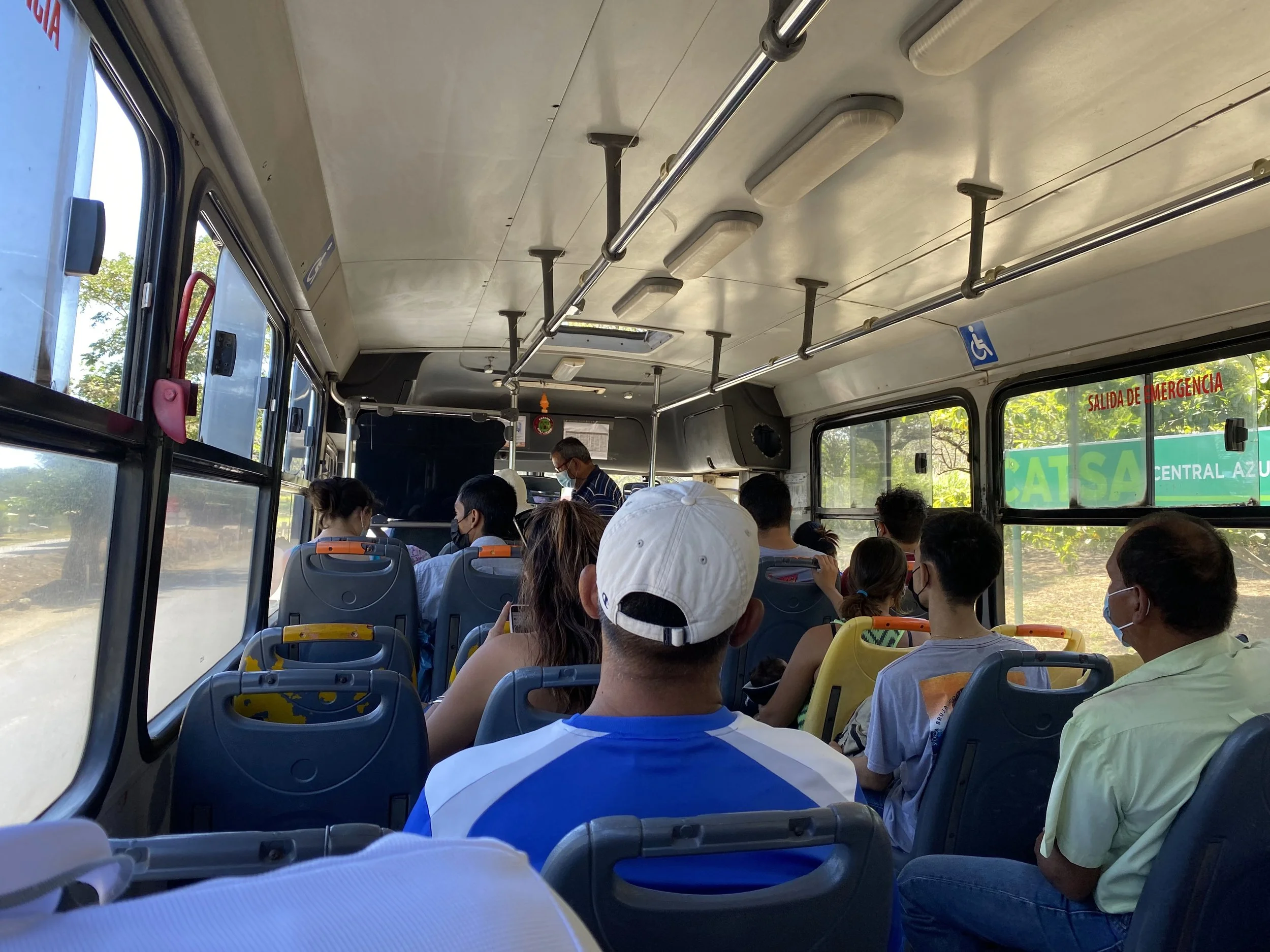
Researching transportation before you arrive can save both money and stress.
5. Not Asking the Price First
If there is one travel habit that has saved me hundreds of dollars over the years, it's this:
Always ask the price first.
Especially when it comes to taxis, tuk-tuks, and unofficial transportation.
I've learned this lesson repeatedly throughout my travels.
If you don't ask beforehand, the price can magically change at the end of the ride.
And somehow, it almost never changes in your favor.
Thailand was one of the first places where I noticed this happening regularly.
These days, I always ask the price before getting in.
And if the price sounds unreasonable, I simply find another option.
How to Avoid This Mistake
Agree on the price before getting in.
Ask locals what the normal fare should be.
Use ride-share apps when available.
Don't be afraid to walk away.
A two-minute conversation can save a lot of frustration later.
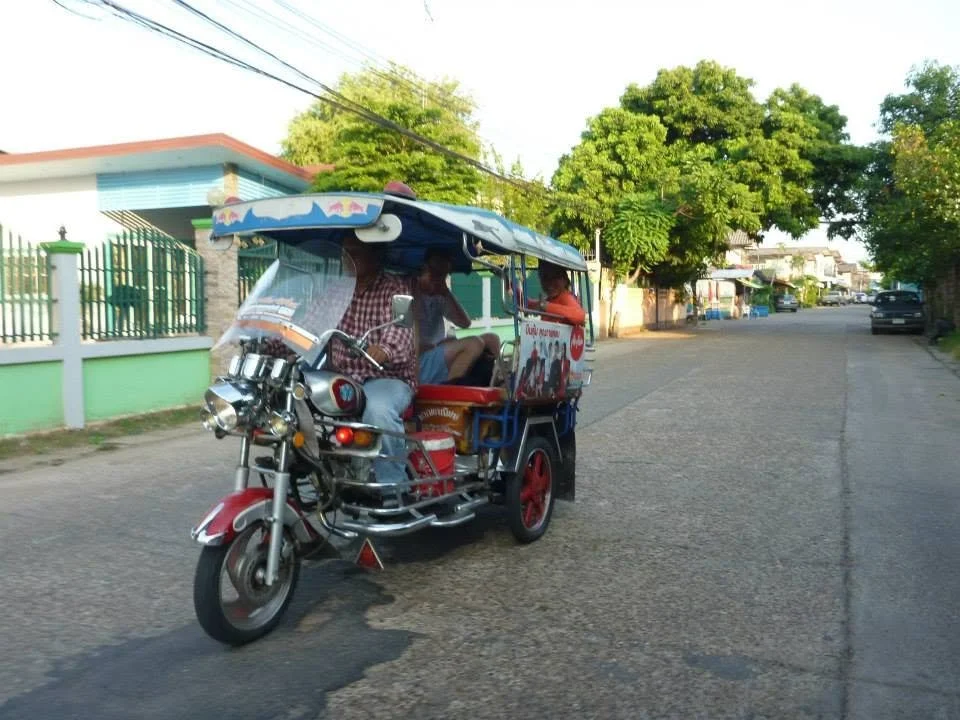
I've paid the "tourist price" enough times to know one thing: always agree on the fare before the ride.
6. Keeping Everything in One Place
I've heard enough travel horror stories over the years to know this is a mistake I never want to make.
Lost wallets.
Stolen bags.
Missing passports.
I've met travelers who lost everything because all of their important items were stored in the same place.
So early on, I developed a habit of separating things.
My passport doesn't travel in my wallet.
My backup card isn't stored with my primary card.
I usually keep some emergency cash separate from the rest of my money.
That habit paid off when my wallet was stolen in Palomino, Colombia.
Losing it was frustrating enough.
But because my passport was stored separately, I wasn't dealing with an even bigger disaster.
How to Avoid This Mistake
Never keep your passport in your wallet.
Carry a backup card.
Keep emergency cash separate.
Don't put all your valuables in the same bag or pocket.
If one thing gets lost or stolen, you don't want to lose everything.
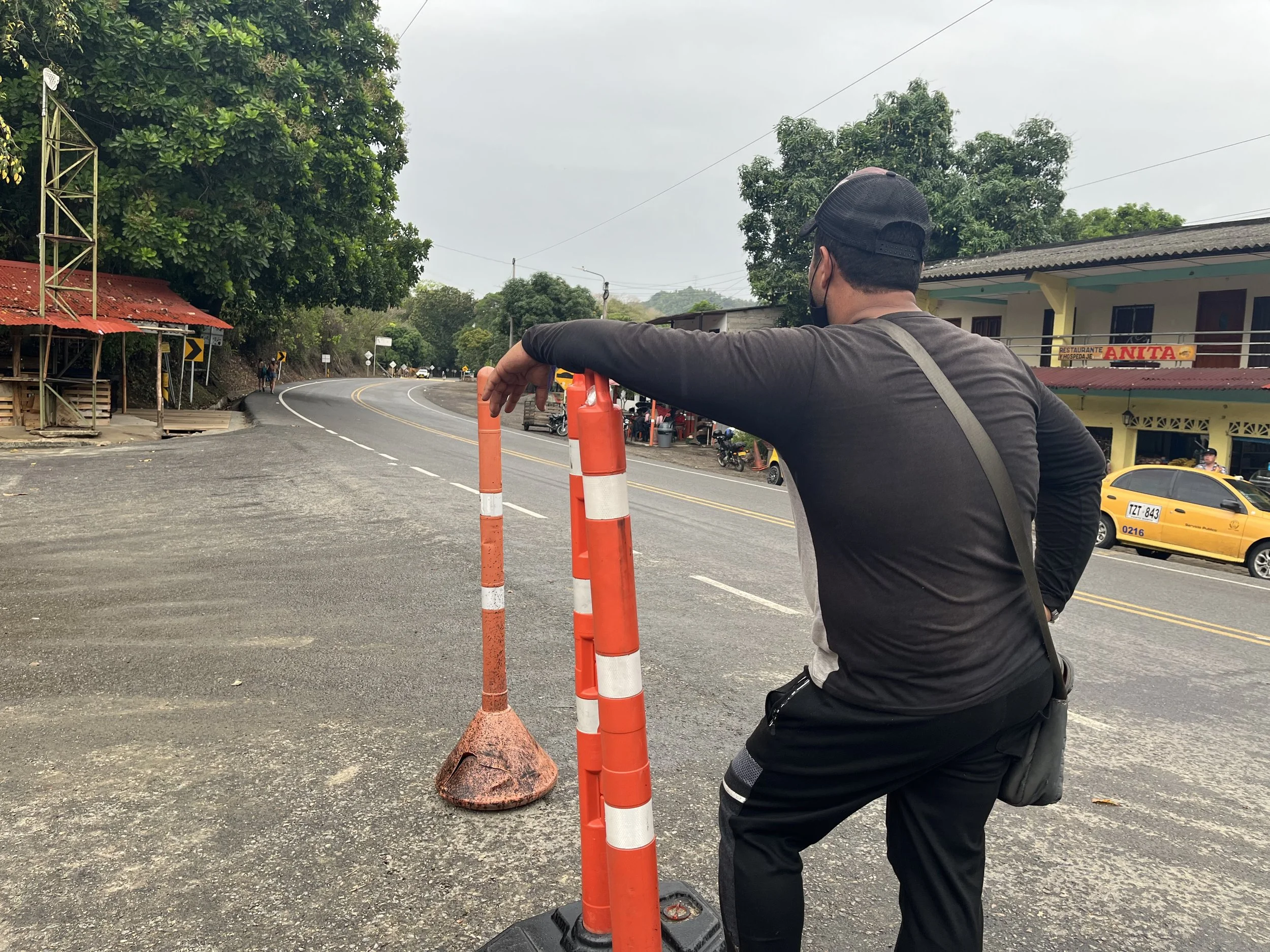
My wallet was stolen that morning... and then my backpack was accidentally unloaded at the wrong bus stop. Thankfully, I never keep everything in one place.
7. Booking the Cheapest Flight
I love saving money as much as the next traveler.
But one of the biggest lessons I've learned over the years is that the cheapest option isn't always the cheapest option.
When I was flying to meet a friend in the Philippines, I found a flight that was about $200 cheaper if I booked the tickets separately instead of on the same itinerary.
At the time, it felt like a smart decision.
Until a volcano erupted.
My flight from Hong Kong to Manila was delayed by several hours, and by the time I landed, my connection to Puerto Princesa was long gone.
I spent over an hour on the phone with the airline trying to explain that the delay wasn't my fault. The problem was that I had booked separate tickets.
As far as the second airline was concerned, I was simply a passenger who didn't show up.
The result?
I had to buy a completely new ticket.
What looked like a great deal ended up costing me more money, more stress, and several hours of my trip.
That experience completely changed how I book flights.
More recently, for my trip to Peru, I booked directly through the airline instead of a third-party website. It wasn't the absolute cheapest option, but I knew exactly what baggage allowance I had, who I needed to contact if something went wrong, and what was included in my ticket.
Sometimes paying a little more upfront can save you a lot of money and frustration later.
How to Avoid This Mistake
Compare prices, but don't focus only on the cheapest fare.
Be cautious when booking separate tickets.
Check baggage fees before purchasing.
Read the fare rules carefully.
Consider booking directly with the airline when possible.
Saving money is great.
But peace of mind is worth something too.
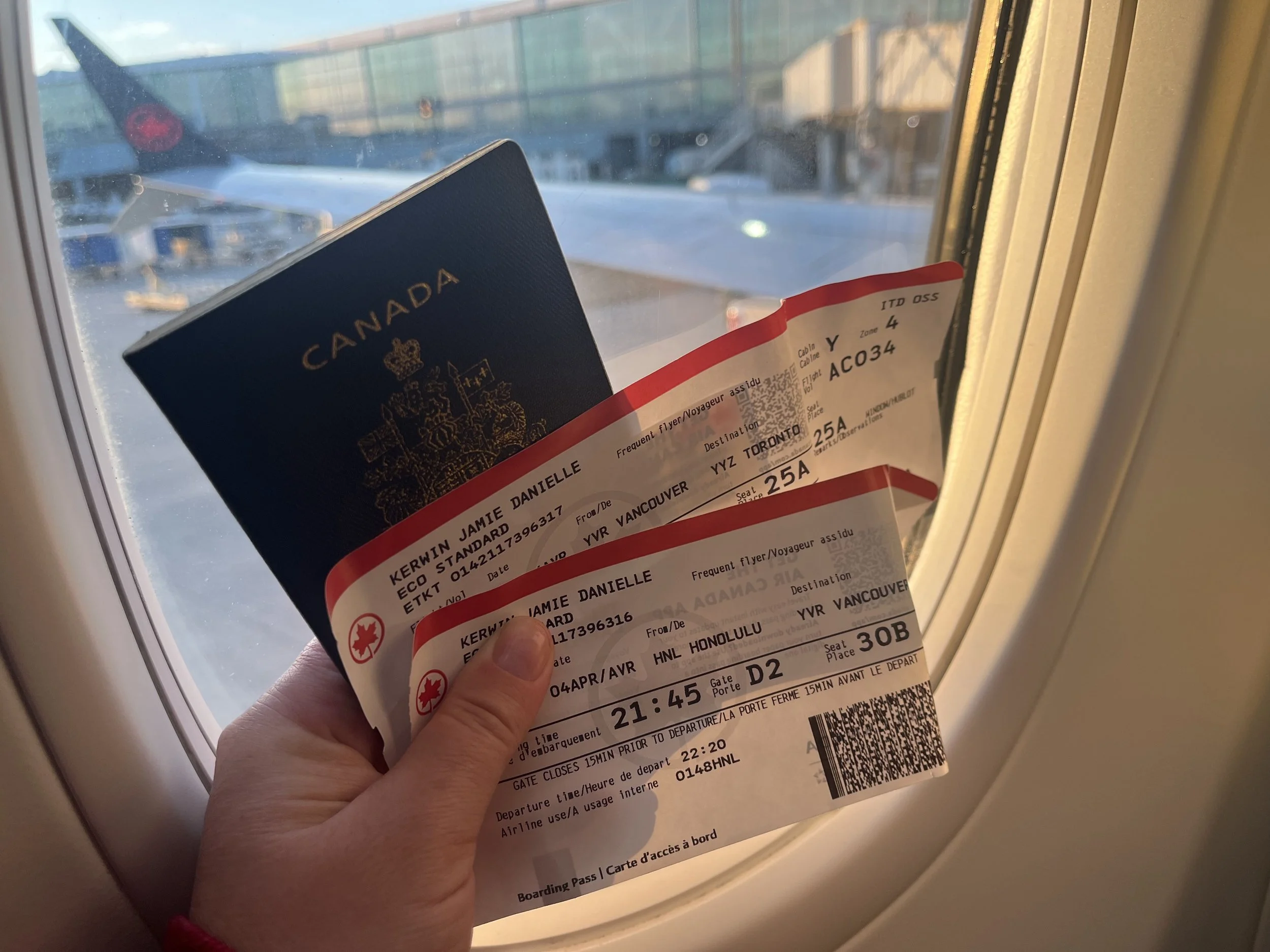
These days, I compare baggage fees, connections, and airline policies—not just the fare.
8. Skipping Travel Insurance
Travel insurance is one of those things that feels like a waste of money until you need it.
Then it becomes the best purchase you made.
One of my friend’s mom broke her arm while visiting Paris. She didn't have travel insurance and was so worried about the cost of medical treatment that she waited until she returned to Canada before getting proper medical care.
Imagine spending the rest of your trip with a broken arm because you're afraid of the hospital bill.
That's not a risk I'm willing to take.
Travel is unpredictable.
Flights get cancelled.
Luggage gets lost.
People get sick.
People get injured.
I still buy travel insurance today, even after more than 16 years of travel.
In fact, I recently made one of my friends buy travel insurance before our trip to Peru.
Partly for their protection.
But also for my peace of mind.
We were spending four days hiking the Inca Trail at high altitude, far from major medical facilities. While I didn't expect anything to go wrong, I knew enough not to leave it to chance.
How to Avoid This Mistake
Buy travel insurance before you leave.
Read what your policy actually covers.
Check whether adventure activities are included.
Make sure your medical coverage is sufficient.
Travel insurance isn't exciting.
But neither is paying a massive medical bill overseas.
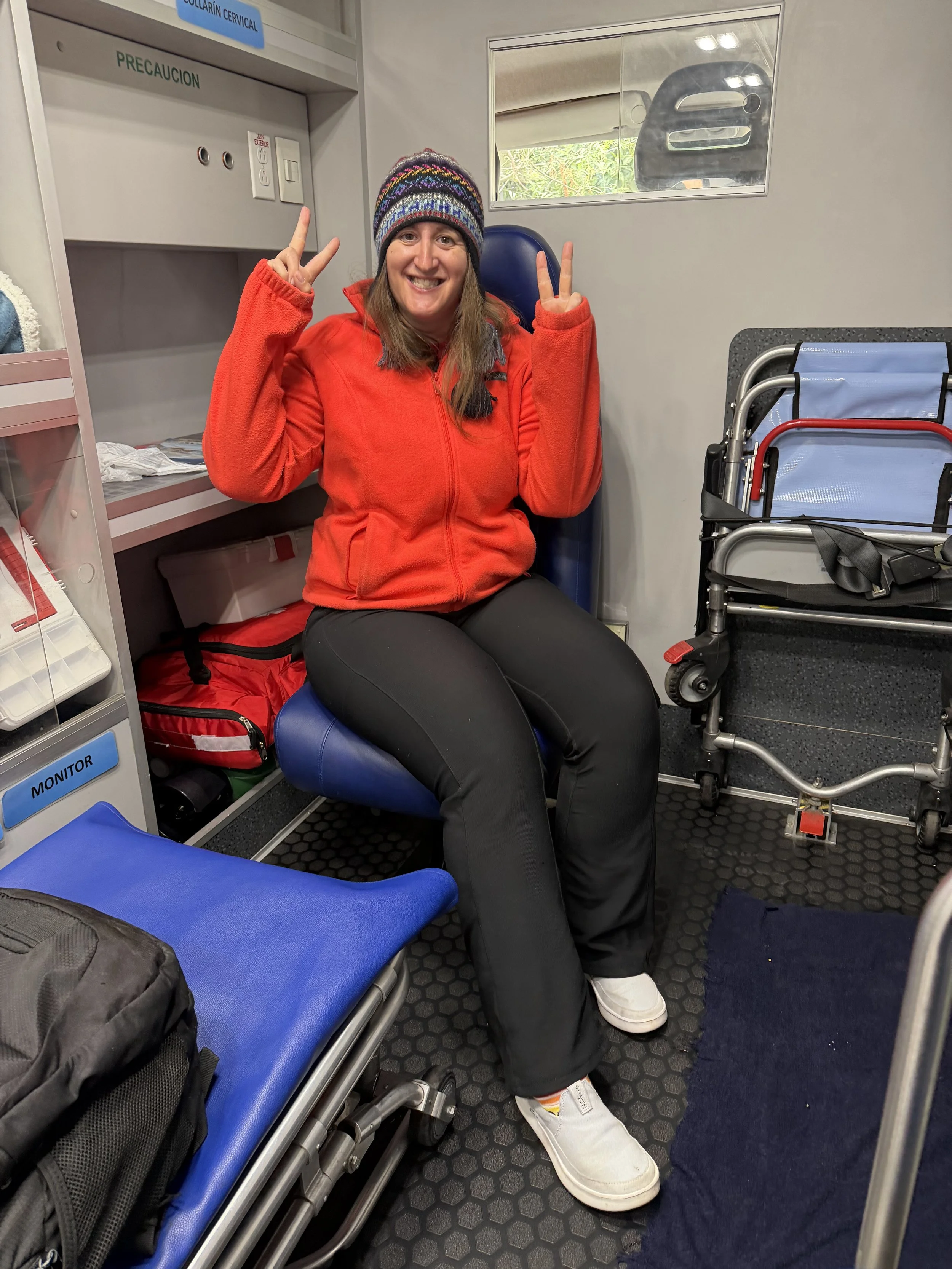
A knee injury in Peru quickly reminded me why I never travel without insurance.
9. Not Learning Any Local Words
You don't need to become fluent in every language before you travel somewhere.
Trust me, if that were the case, I wouldn't have made it very far.
I've lived and traveled in countries where I spoke very little of the local language.
But one thing I've learned is that making an effort goes a long way.
Even a few simple words can completely change an interaction.
A "hello."
A "thank you."
A polite way to ask for help.
People notice when you're trying.
One of the things I loved about living in Thailand was how patient and helpful people were. Whether I was trying to order food, find my accommodation, or ask for directions, people appreciated the effort—even when I completely butchered the pronunciation.
You don't need to be fluent.
You just need to be willing to try.
How to Avoid This Mistake
Before your trip, learn:
Hello
Thank you
Please
Excuse me
Yes and No
How much?
That small effort often comes back to you in kindness.
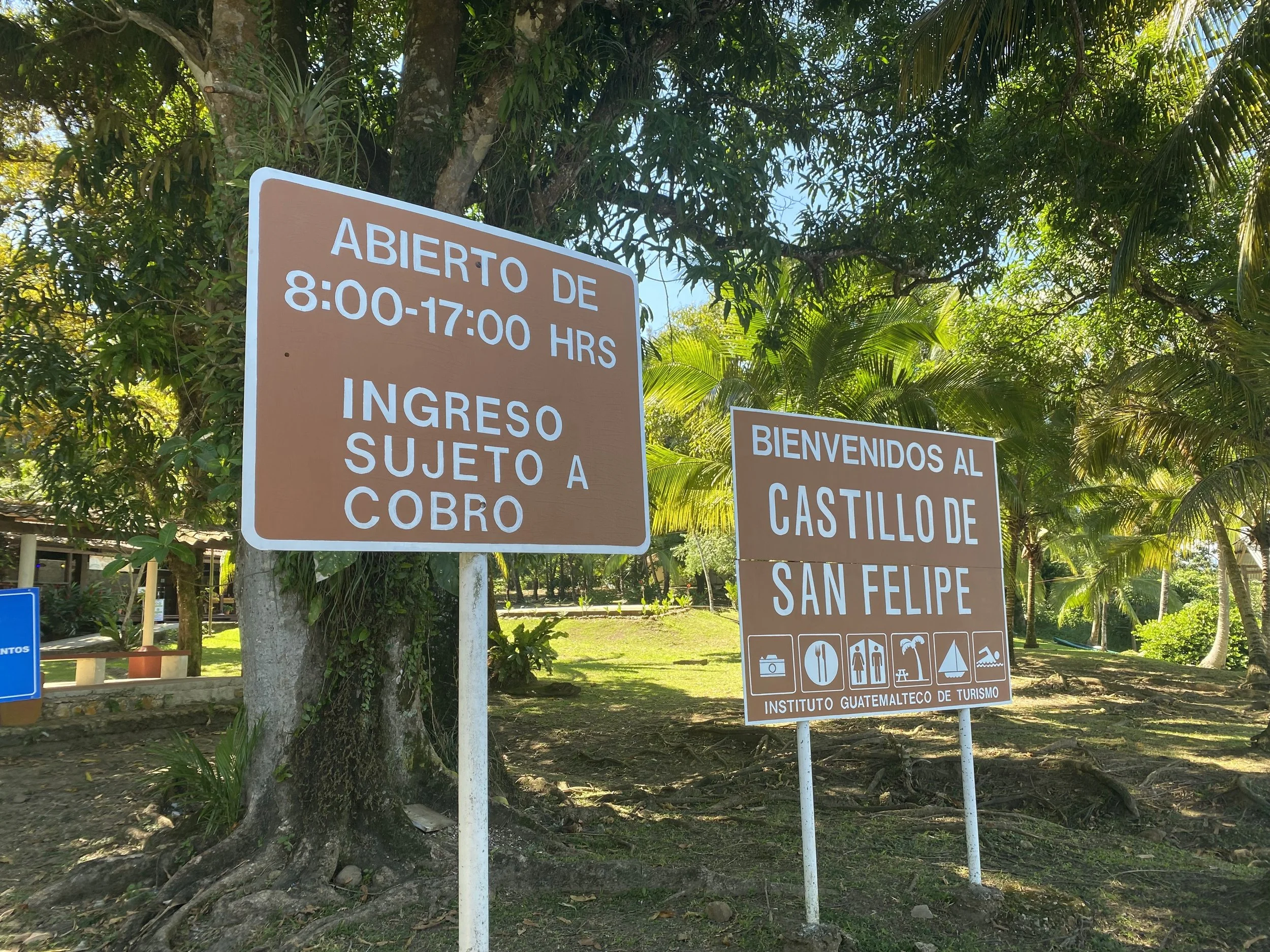
You don't need to be fluent. Knowing just a few local words can make travel so much easier.
10. Not Backing Up Important Documents
This is one travel habit I can't take full credit for.
My mom taught me this one.
Before I started traveling, she always told me to make copies of my important documents and keep them separate from the originals.
At the time, it felt unnecessary.
Then I lost my passport in Australia.
Thankfully, I already knew my passport number, and I had copies of my documents. Those copies helped prove who I was and made the replacement process easier.
But here's what I learned.
Copies are helpful.
They are not a replacement for the original.
I still needed original documents to get my new passport issued.
Since then, I've become even more careful about keeping digital copies of my passport, travel insurance, flight confirmations, and accommodation details.
Hopefully you'll never need them.
But if you do, you'll be glad they're there.
How to Avoid This Mistake
Photograph your passport.
Save digital copies.
Store copies in cloud storage.
Email copies to yourself.
Keep emergency contacts accessible.
Sometimes your mom really is right.
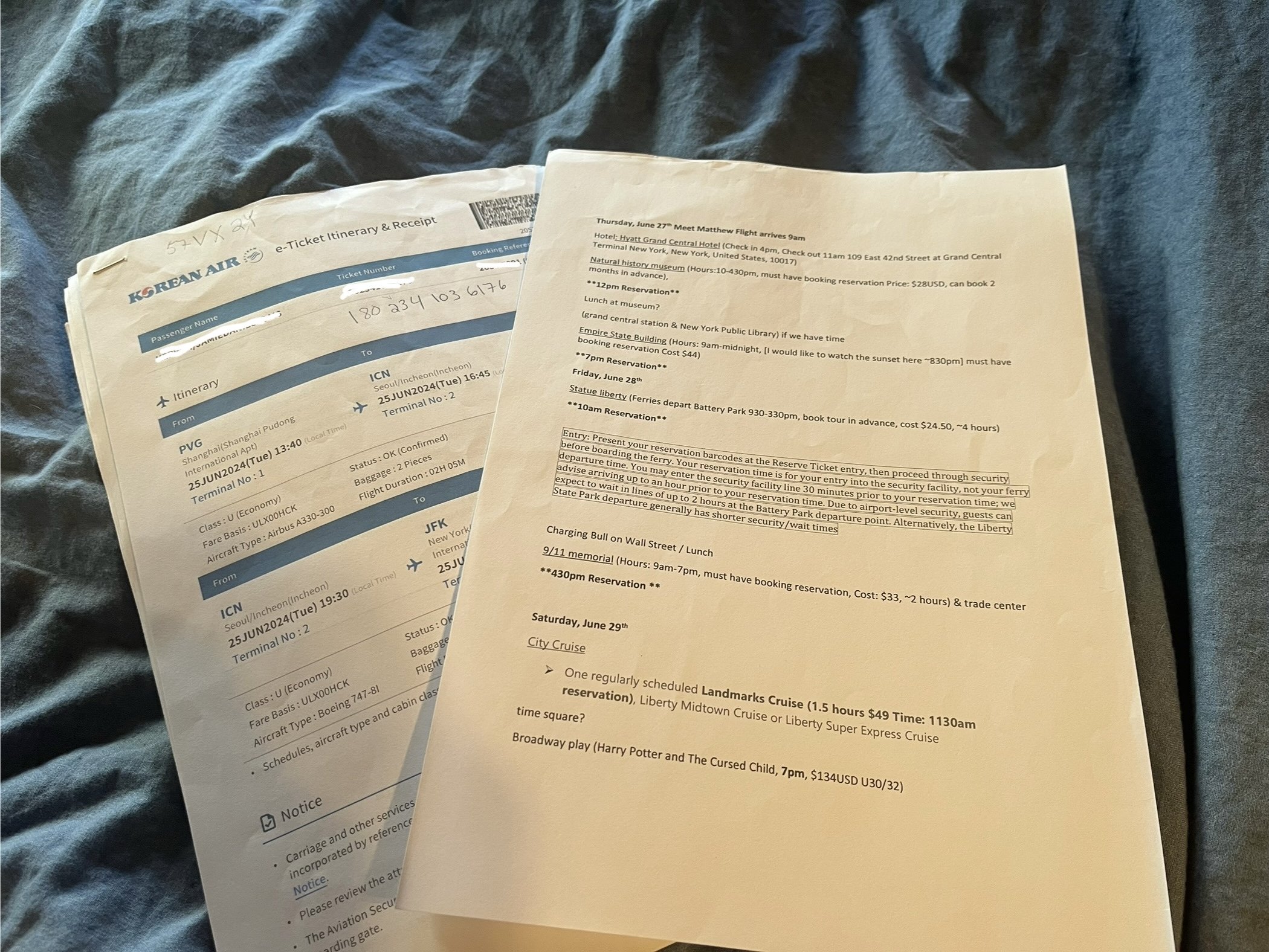
Call me old-fashioned, but I still print my travel documents. They've saved me more than once.
11. Not Checking the Weather
This one seems obvious.
Until you're freezing in Egypt wearing summer clothes.
When I booked my trip to Egypt, I assumed it would be hot.
It's Egypt.
There's desert.
There are pyramids.
Of course it would be hot...
Wrong.
I packed mostly summer clothes without ever checking the forecast.
Thankfully, I was living in the UK at the time, so I happened to have some warmer clothes with me.
My friend Kerri wasn't quite as lucky.
She had flown from South Africa and hadn't checked the weather either.
She didn't even pack socks.
Luckily, I had extras that I could lend her.
Ever since then, checking the forecast has become one of the last things I do before packing.
Because weather doesn't care about your assumptions.
How to Avoid This Mistake
Check the forecast a few days before departure.
Research the typical weather for that season.
Pack layers whenever possible.
Don't assume you know what the weather will be like.
It's much easier to carry a sweater you don't need than wish you had packed one.
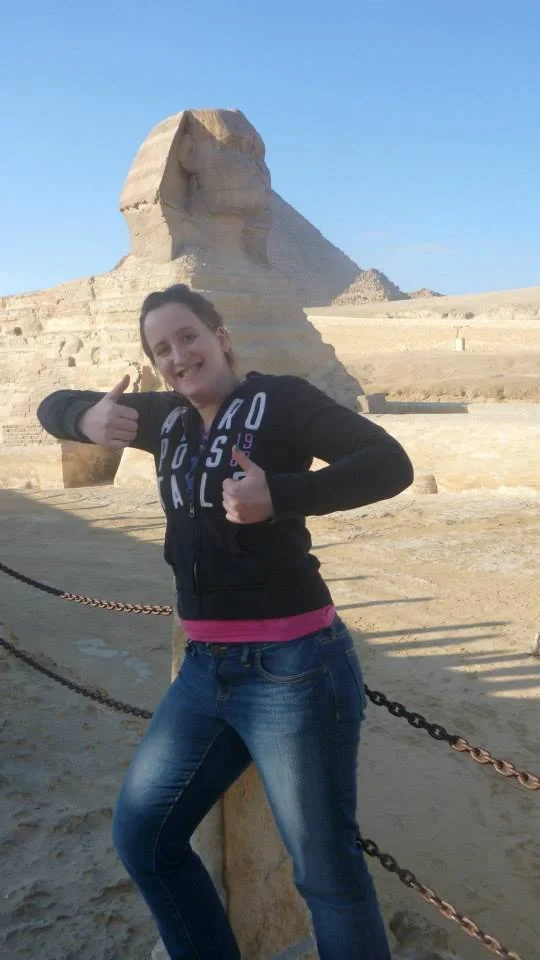
I thought Egypt would be hot... turns out my only sweater and pair of jeans got a lot more use than I expected!
12. Not Comparing Money Exchange Options
One of the easiest ways to lose money while traveling happens before your trip has even started.
The airport.
Airport exchange counters are convenient.
They're also usually one of the most expensive places to exchange money.
These days, I always compare my options before I leave.
I'll look at my bank's exchange rates, local exchange offices, and ATM fees before deciding what's best.
Sometimes I even use a little trick.
If I know I'll need cash, I'll put extra money onto my credit card before I leave and then withdraw it overseas. For me, that has often worked out cheaper than using my debit card because I avoid some of the extra fees.
That doesn't mean it'll be the best option for everyone.
The important thing is to compare your choices before you travel instead of automatically using the first exchange counter you see.
How to Avoid This Mistake
Avoid exchanging money at the airport if possible.
Compare your bank's exchange rate.
Research local ATMs and exchange offices.
Understand your bank's withdrawal fees.
A little research can leave more money in your travel budget.
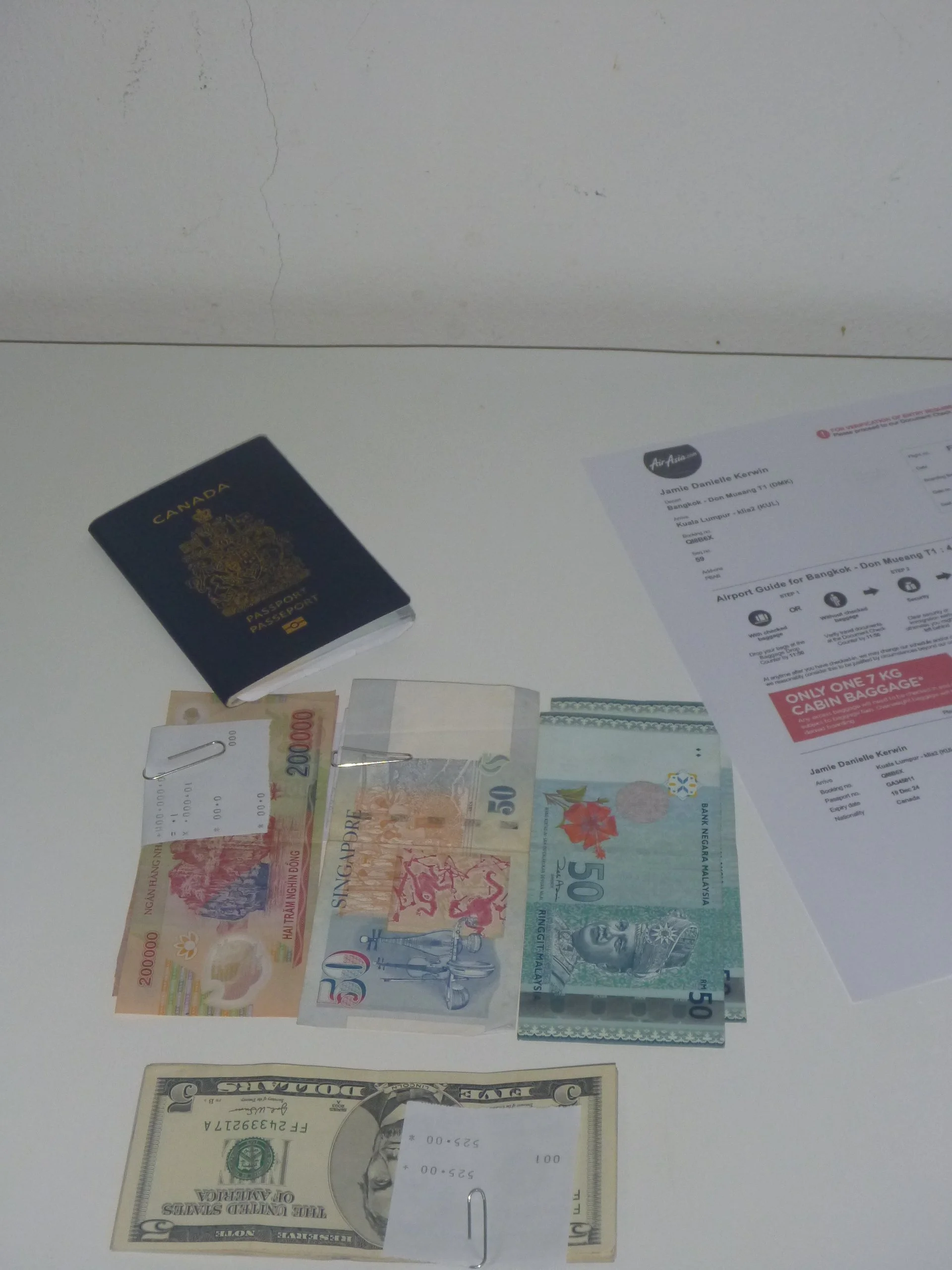
A little research before your trip can save you money. I always compare exchange rates instead of automatically changing money at the airport.
13. Thinking Everything Has to Go Perfectly
When I first started traveling, I thought a successful trip was one where everything went according to plan.
After more than 16 years, I know better.
Some of my best travel memories started as problems.
Like the time my motorbike broke down in northern Vietnam.
The first breakdown wasn't too bad. An older gentleman noticed I couldn't get it started and helped me push it to a local mechanic.
Three hours later, I was back on the road.
Problem solved.
Or so I thought.
About an hour and a half later, I stopped for gas.
The bike wouldn't start again.
This time, the sun was setting.
I was in the middle of nowhere.
There were no hotels.
No guesthouses.
No easy way to explain what had happened.
That's when the panic set in.
I remember standing there with silent tears running down my face. My face was red and blotchy, and I genuinely thought I was going to spend the night stranded beside a gas station.
Thankfully, the attendants wanted to help.
They called the only people they knew who spoke English.
Those strangers didn't just help me with my bike.
They welcomed me into their home.
They fed me.
Poured me rice wine.
Made me feel safe.
And somehow, later that evening, I found myself teaching them drinking games.
If you had asked me that afternoon what I'd remember most about Vietnam, I would have said the broken motorbike.
Instead...
I remember the people.
Their kindness.
Their generosity.
Their willingness to help a complete stranger.
Travel has taught me that things will go wrong.
Flights will be delayed.
Plans will change.
You'll get lost.
You'll make mistakes.
But sometimes the best memories come from the moments you never would have planned.
How to Avoid This Mistake
You can't.
At least not completely.
Instead of trying to make every trip perfect, focus on being flexible.
The best travelers aren't the ones whose trips go perfectly.
They're the ones who know how to adapt when they don't.
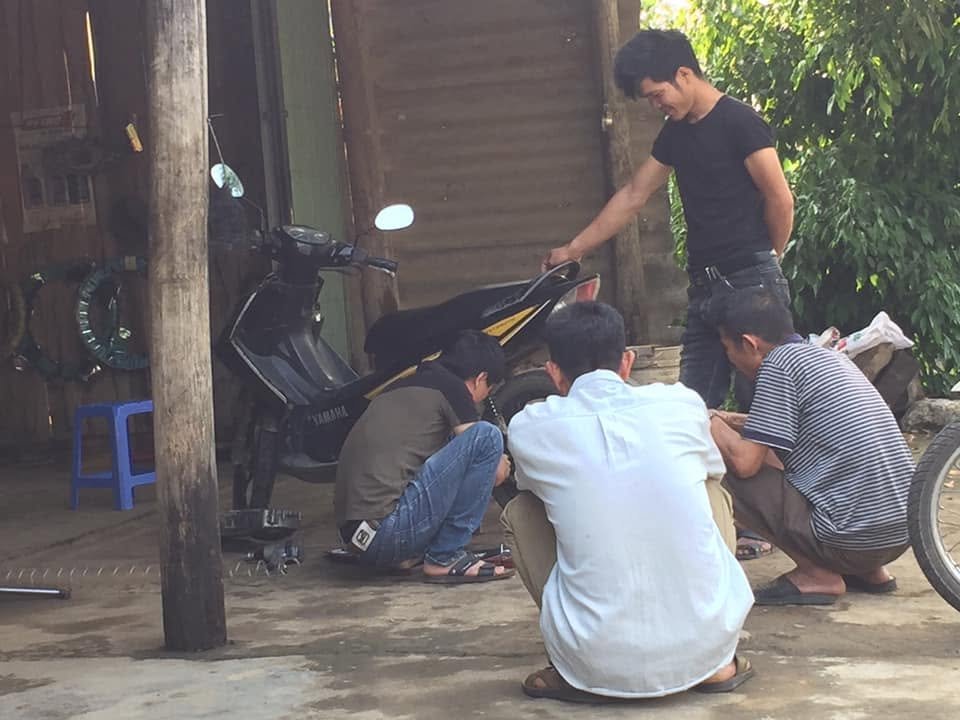
Watching the locals work their magic on my motorbike in Sapa. Little did I know, the adventure wasn't over yet.
Final Thoughts
After more than 16 years of travel, I've learned something surprising.
Travel doesn't get easier because you stop making mistakes.
It gets easier because you learn how to handle them.
I still make mistakes.
I still occasionally forget to download offline maps.
I still sometimes assume I know what the weather will be like.
And every now and then, I still learn a lesson the hard way.
The difference is that those mistakes no longer ruin my trip.
They're simply part of the adventure.
Some of my favorite travel memories started with something going wrong.
A delayed flight.
A broken motorbike.
Getting lost.
Meeting people I never expected to meet.
Travel has taught me that perfection is overrated.
The best trips aren't the ones where everything goes according to plan.
They're the ones where you're flexible enough to embrace the unexpected.
So don't be afraid of making mistakes.
You'll make them.
Every traveler does.
Learn from them.
Laugh about them.
Then keep exploring.
Because the truth is …
the mistakes are what make the stories worth telling.
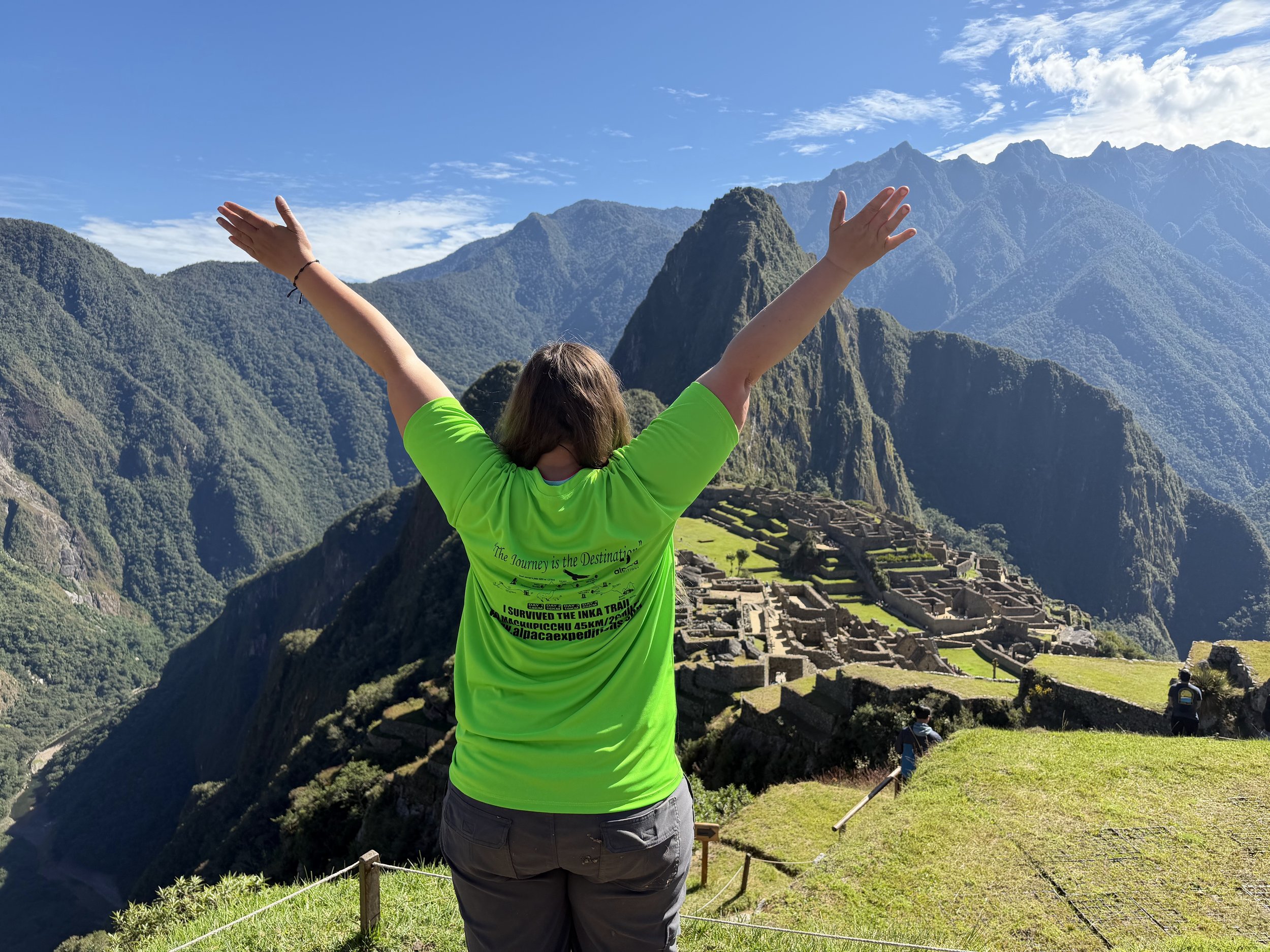
The mistakes never stopped... but neither did the adventures.
Found this guide helpful? Chip in and help me create more free, honest travel guides.
Related Stories You Might Enjoy
How to Reset While Traveling: Budget, Energy & Expectations
Guide to the best travel apps
Ultimate Solo Travel Safety Guide
How I Pack Everything Into a 65L Backpack (Without Losing My Mind)
The Travel Budget Blueprint: How to Plan a Trip Without Going Broke
How to go through airport security like a pro
Common travel insurance mistakes and how to avoid them
How to Get Accommodation for Cheap
