The Travel Budget Blueprint: How to Plan a Trip Without Going Broke
Budgeting for travel doesn’t mean giving up experiences or traveling “cheap.”
It means planning intentionally so you can say yes to the things that matter most.
This is the exact framework I use to plan trips — whether it’s a short getaway or months on the road. You don’t need a finance degree or a huge income. You just need a system.
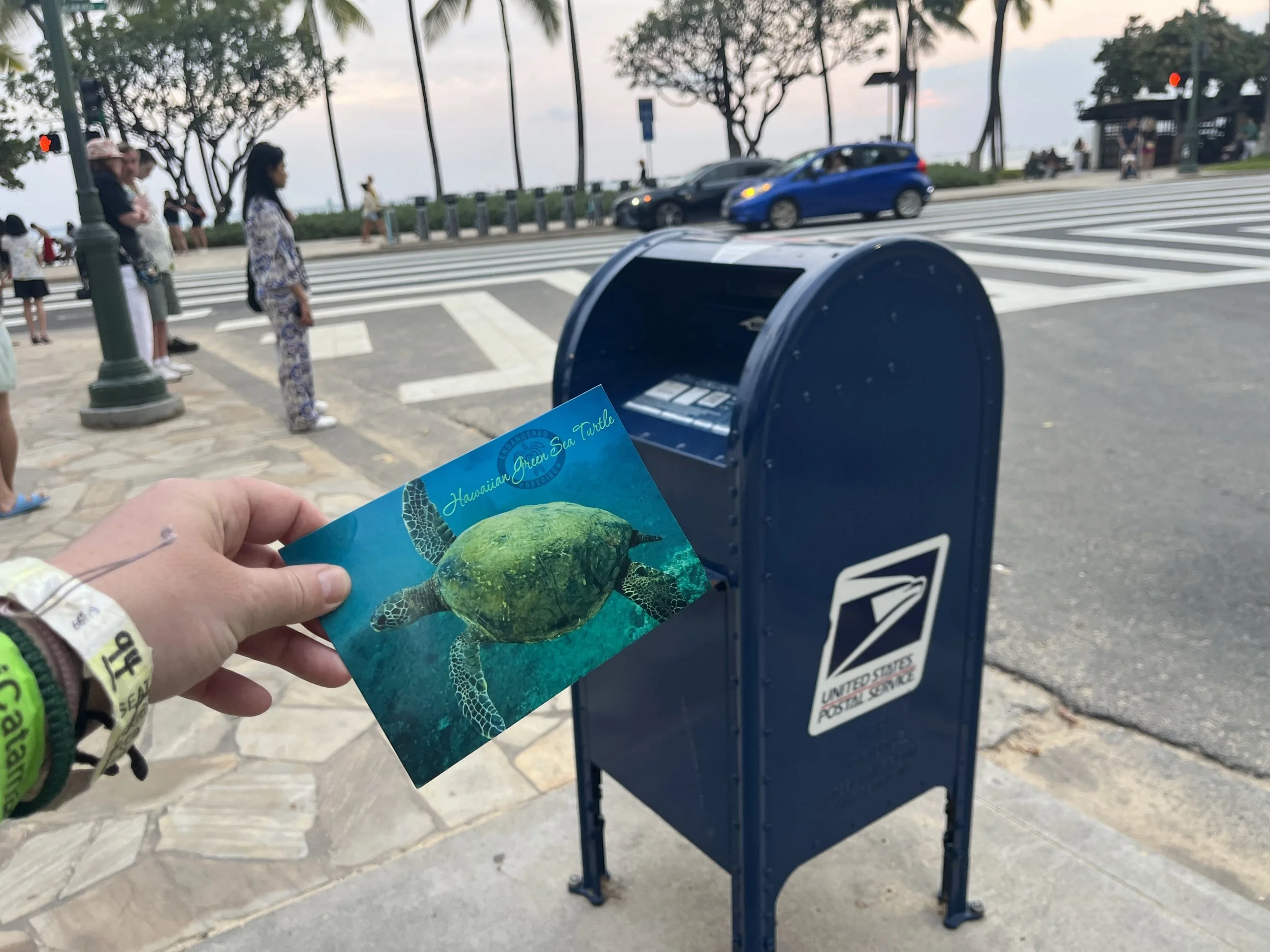
Every trip starts the same way: with a plan. Budgeting happens before the postcard ever gets sent.
Step 1: Choose the Destination First
Before setting a budget, decide where you want to go.
Different destinations come with wildly different costs. A week in Central America won’t cost the same as a week in Japan or New York. Choosing the destination first gives your budget a realistic starting point instead of a vague number.
Research:
Average flight prices
Accommodation ranges
Typical daily costs
Transportation style (buses, trains, flights)
This step sets expectations early and prevents surprise expenses later.

Every budget starts with a destination. Once I choose where I’m going, the numbers fall into place.
Step 2: Write Down Every Possible Expense
Budgeting only works when everything is visible.
Create a list that includes:
Flights
Accommodation
Transportation
Activities and tours
Food and drinks
Visas and entry fees
Travel insurance
Souvenirs
Emergency buffer
If it costs money, it goes on the list. Overestimating is better than forgetting something entirely.
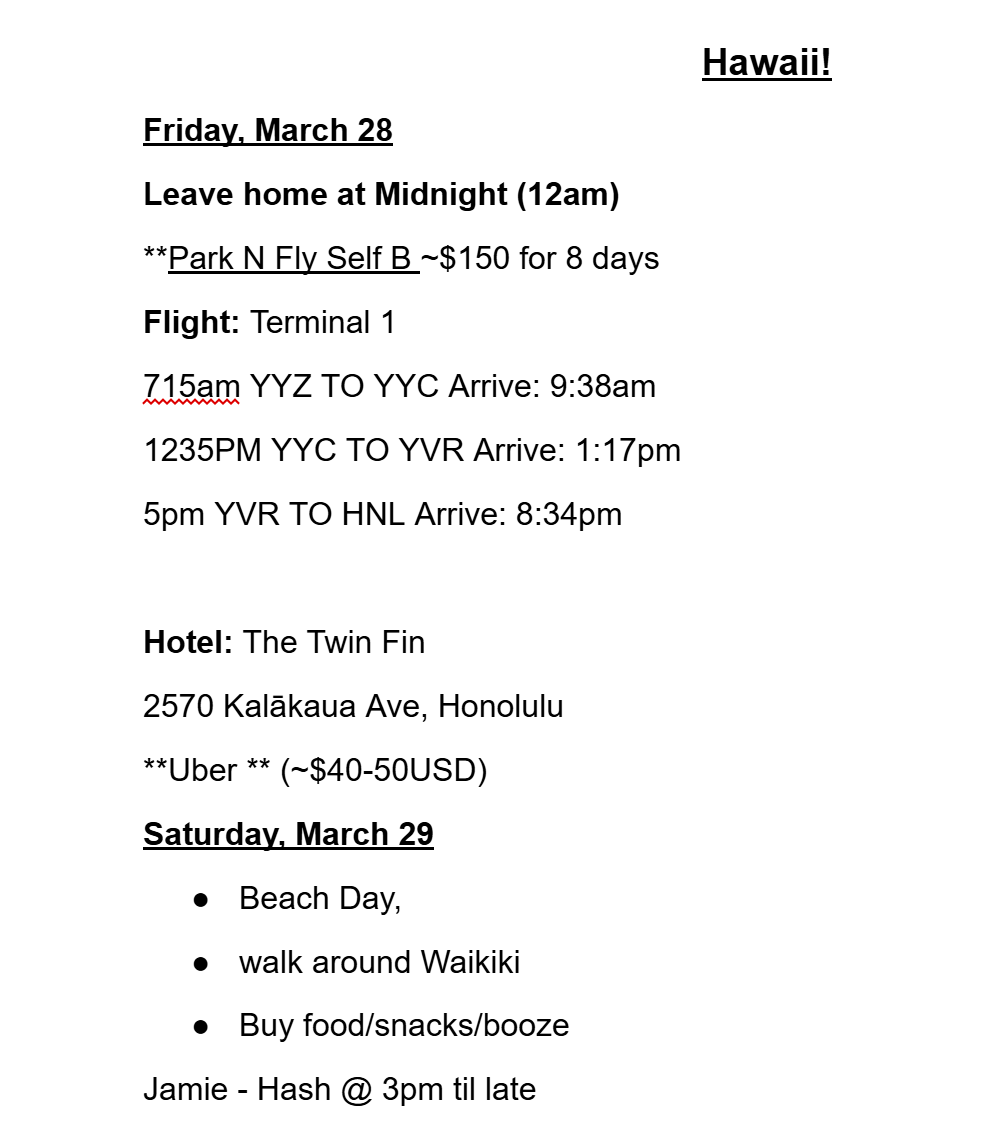
Flights, parking, transfers, hotels — it all gets written down. This is how I avoid surprise costs later.
Step 3: Build the Budget Around Priorities
Not every expense is equally important.
Decide what matters most:
Experiences and tours?
Comfort and accommodation?
Food and drinks?
Moving quickly between destinations?
Cut costs in areas you care less about to protect the ones you value most. This is how budgets stay realistic instead of restrictive.
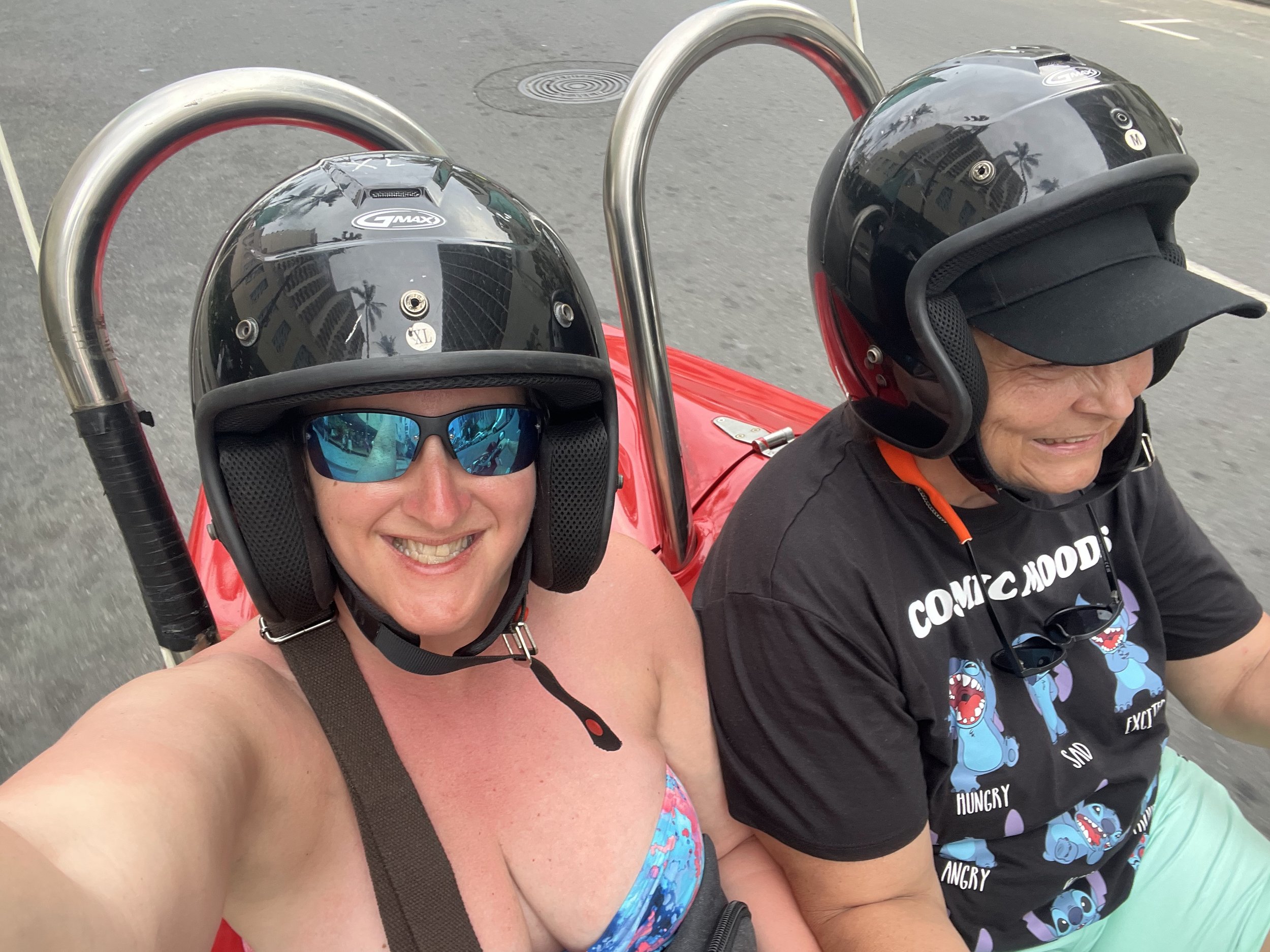
Budgeting doesn’t mean saying no to fun — it means knowing when you can say yes.
Step 4: Pay for What You Can in Advance
One of the most effective travel budgeting strategies is paying upfront.
Book and pay for:
Flights
Accommodation
Tours or activities (when possible)
Arriving with major costs already covered reduces stress and makes daily spending much easier to manage.
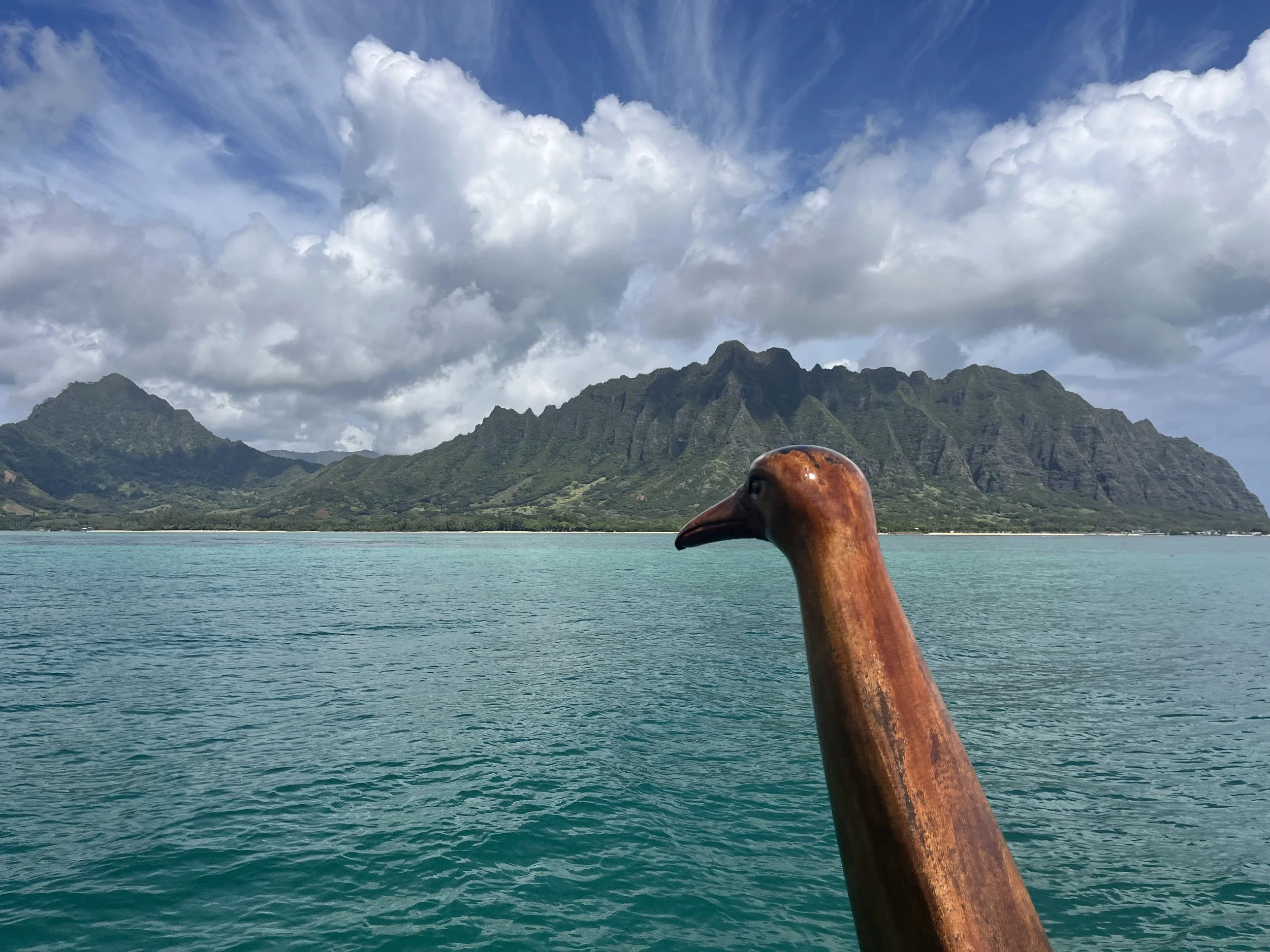
This catamaran was paid for before the trip. When you budget ahead, experiences feel effortless.
Step 5: Create a Daily Spending Budget
Instead of focusing on a total trip number, break your budget into daily categories:
Food
Drinks
Local transportation
Small extras
Daily budgets are easier to track and adjust as you go, especially on longer trips.
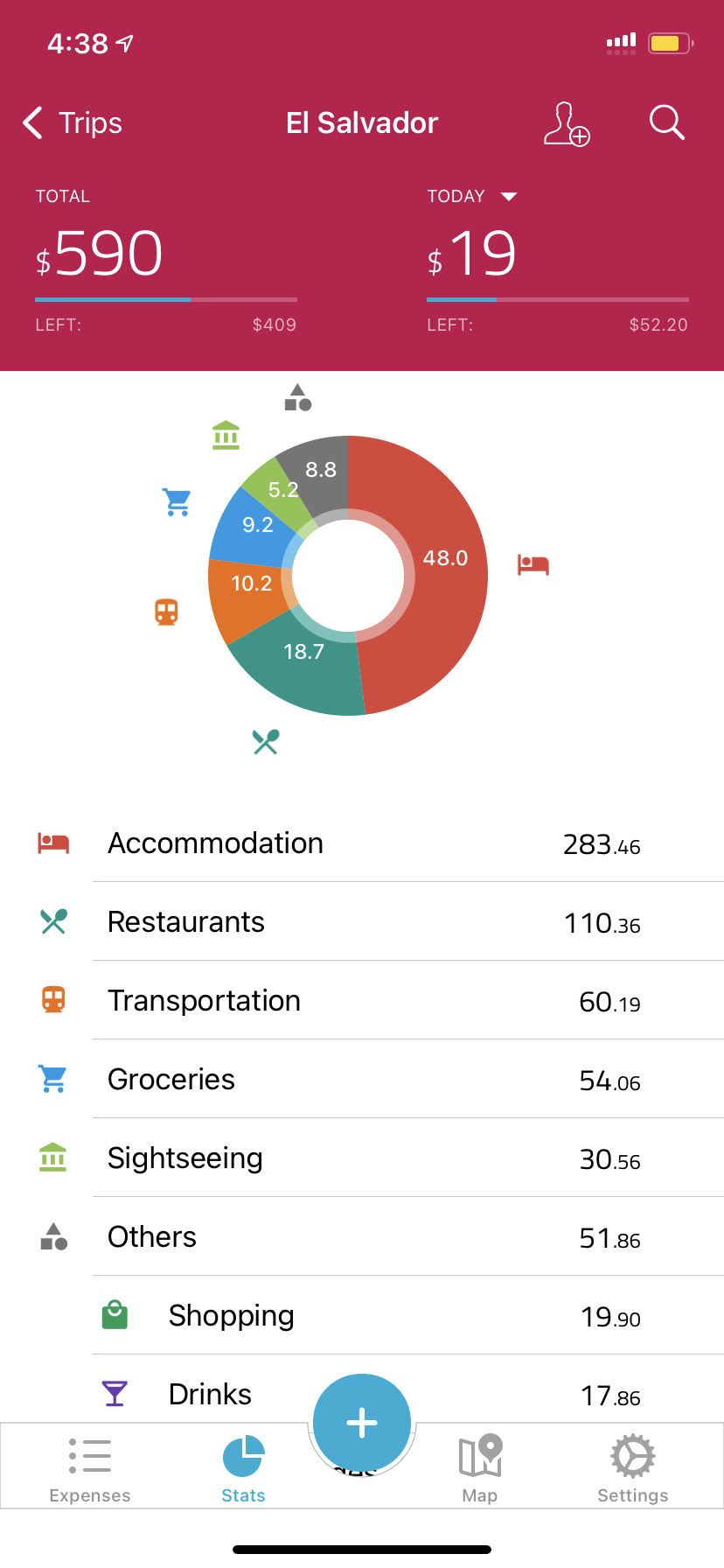
Tracking spending keeps the budget realistic — and prevents the “where did my money go?” moment.
Step 6: Always Include an Emergency Buffer
Unexpected costs happen — transportation changes, medical needs, lost items, or last-minute bookings.
Set aside a separate emergency buffer, even if it’s small. This isn’t spending money; it’s peace of mind.

This is why I always build in a buffer — because if I see Disney, I’m probably buying something.
Step 7: Track Spending (Without Obsessing)
Tracking doesn’t mean micromanaging every cent.
Check in daily or every few days to make sure you’re staying roughly on track. Small adjustments early prevent big problems later.
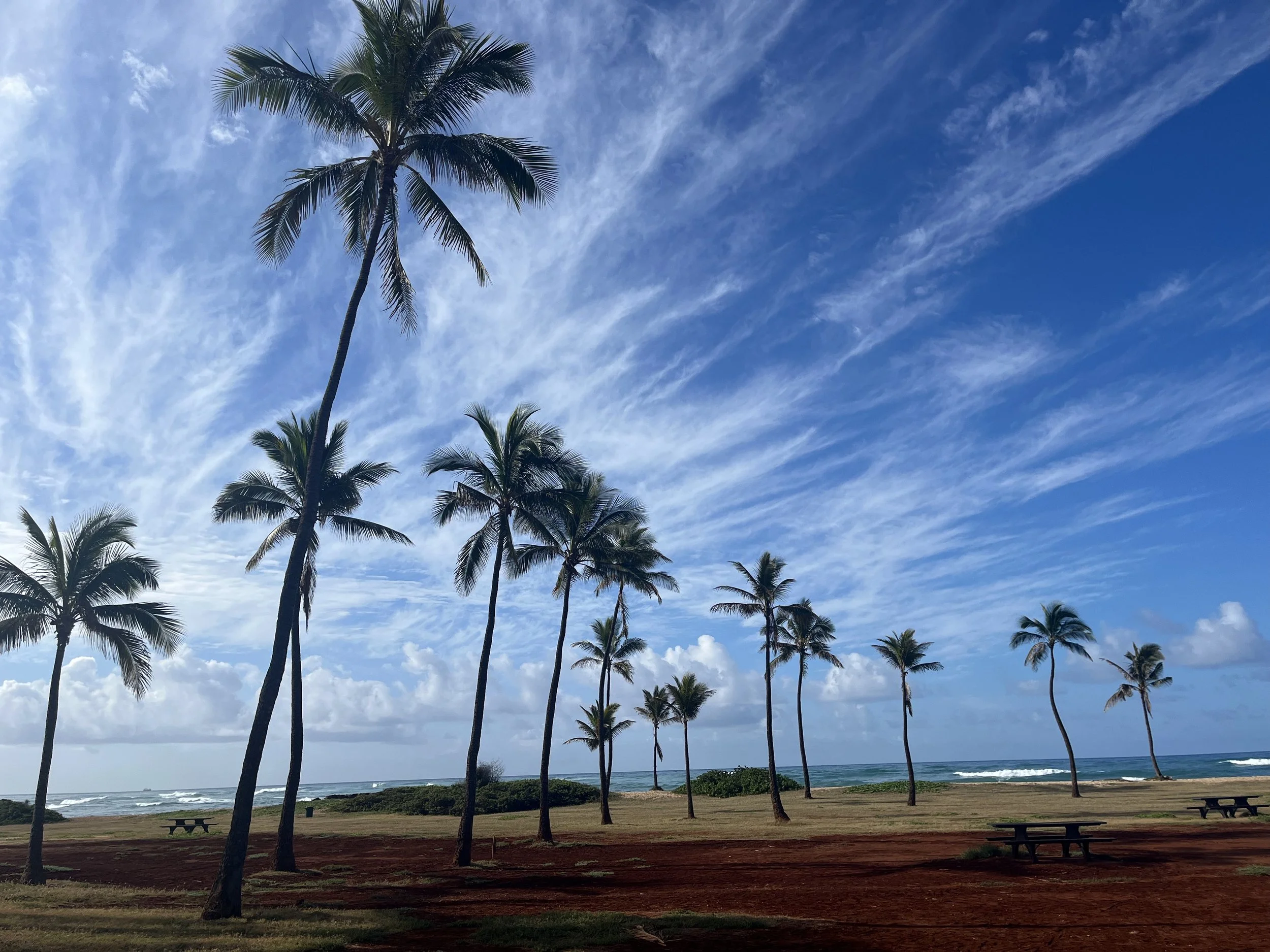
Track your spending — but don’t let it steal the moment.
Common Travel Budgeting Mistakes
Forgetting transit days
Underestimating food costs
Not budgeting for visas or entry fees
Ignoring currency exchange rates
Skipping travel insurance
Avoiding these mistakes can save hundreds over the course of a trip.

Common budget mistake: forgetting to plan for drinks, snacks, and “just one more.”
Final Thoughts
Budgeting isn’t about limiting travel — it’s about making travel sustainable.
With a clear plan, you can travel more confidently, avoid financial stress, and focus on the experiences that matter most.
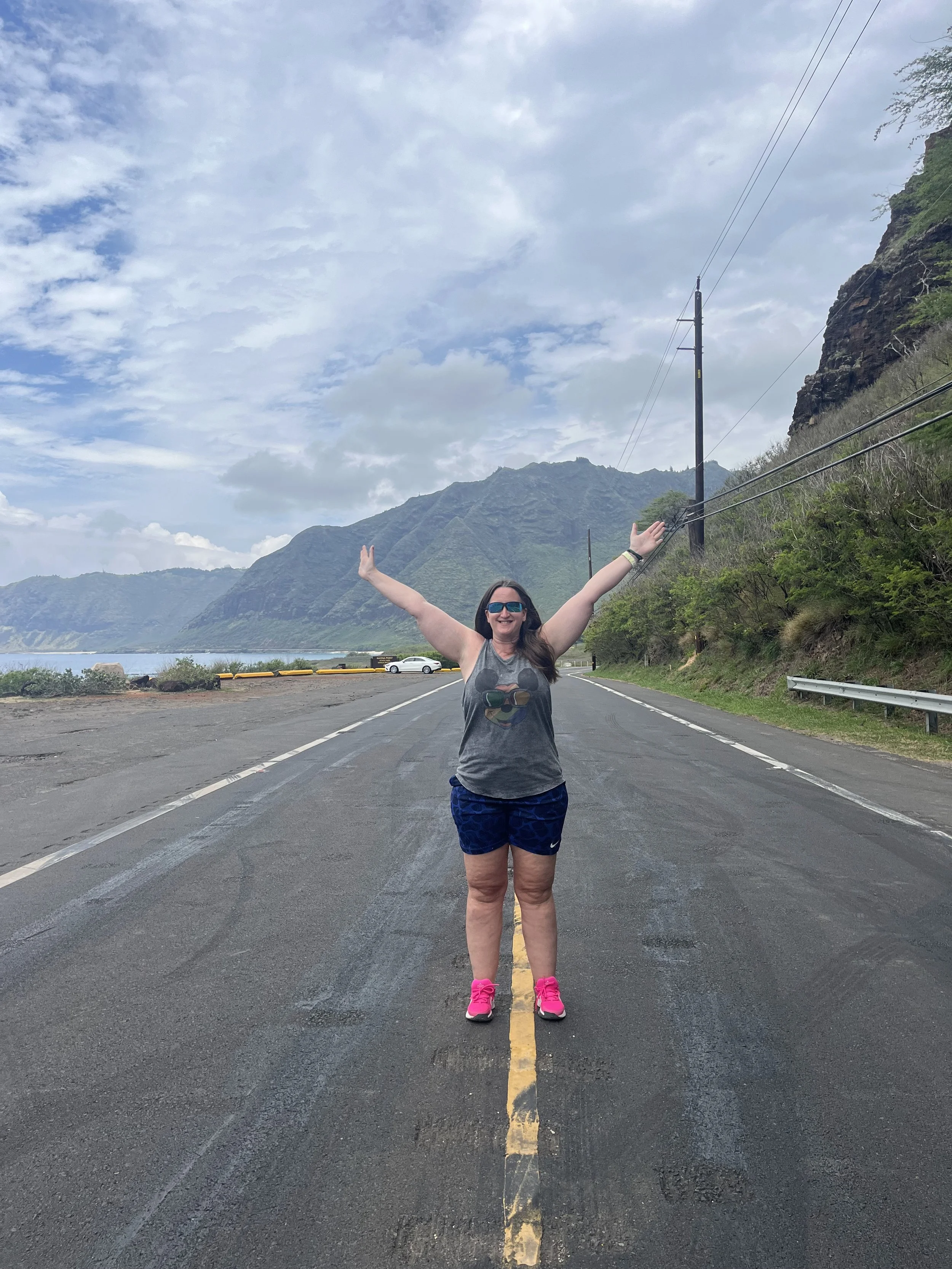
This didn’t happen by accident. It happened because I planned, tracked, adjusted — and still let myself live.
