Am I Too Old to Stay in Hostels? What Hostel Travel Looks Like at 40
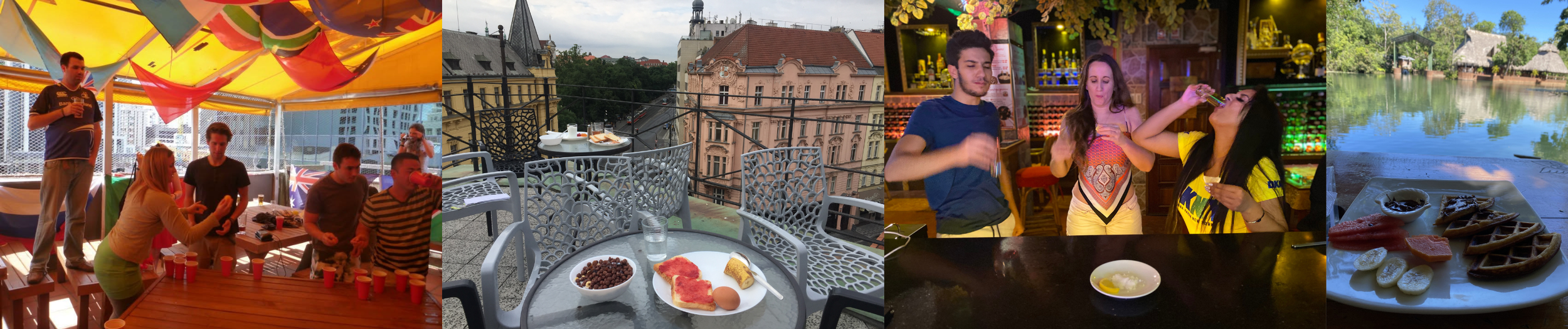
From Christmas beer pong in New Zealand and rooftop views in Prague to partying in the Philippines and breakfast beside the river in Guatemala—hostel travel has changed with me over the years.
I first stayed in a hostel when I was 23. Now, at 40, I still haven’t officially retired from dorm rooms.
However, the way I choose hostels—and what I am willing to tolerate—has definitely changed.
When people hear the word hostel, they often picture twenty-year-old backpackers sleeping in crowded dorms, going out every night and surviving on instant noodles. That image is not entirely wrong, but it does not represent every hostel or every person who stays in one.
During my travels through 55 countries, hostels have been more than inexpensive places to sleep. At different points, they have been my temporary home, my workplace, my social life and the reason I could afford to continue travelling.
Still, there have been moments—particularly while travelling through Central America in my mid-thirties—when I have looked around a dorm and realized I was probably the oldest person in it. Most people assumed I was in my late twenties, so apparently my face had not received the same message as my passport.
That left me wondering: is there an age when you become too old to stay in hostels?
I do not think there is. But I do think the hostel experience changes as you get older. At 40, I am far less concerned about whether I can stay in a hostel and much more interested in whether I actually want to stay in that particular one.

Hostel life in my twenties versus my thirties: the experience changed, but I never stopped enjoying it. From Christmas with friends in New Zealand in 2012 to the pool at a hostel in Minca, Colombia, in 2022.
When Hostels Were the Obvious Choice
My first hostel stay was in British Columbia in 2009. I booked a bed in a ten-person dorm—and somehow ended up with the entire room to myself.
It was probably the gentlest possible introduction to hostel life: the low price and experience of a dorm without nine strangers sleeping around me.
At the time, I was working throughout British Columbia. I would spend approximately three weeks working in one location and then have one week off before moving on. Renting a house or apartment did not make sense when I would rarely be there, so hostels became the practical choice.
They gave me somewhere affordable to stay without a lease, furniture or long-term commitment. I could arrive, put down my backpack and leave again whenever work or travel took me somewhere new.
That pattern continued when I moved abroad.
While travelling around Australia, I stayed in hostels whenever accommodation was not included with a job. They were affordable, flexible and filled with other travellers living similarly unsettled lives. Nobody thought it was strange that I did not have a permanent address or know exactly where I would be the following month.
In New Zealand, hostel life became even more permanent. I lived at Globe Backpackers throughout my entire year and a half in the country. At first, I received free accommodation in exchange for housekeeping. Later, I moved into promotions, helping bring people out to the bar and hostel events.
The hostel was not simply somewhere I booked for a few nights. It was my home, workplace and community.
In my twenties, staying in hostels rarely felt like a sacrifice. I was saving money, meeting people and surrounding myself with others who wanted to travel. Privacy mattered less because the lifestyle itself was part of the adventure.
Hostels were not the cheaper alternative to the trip. They were part of the trip.
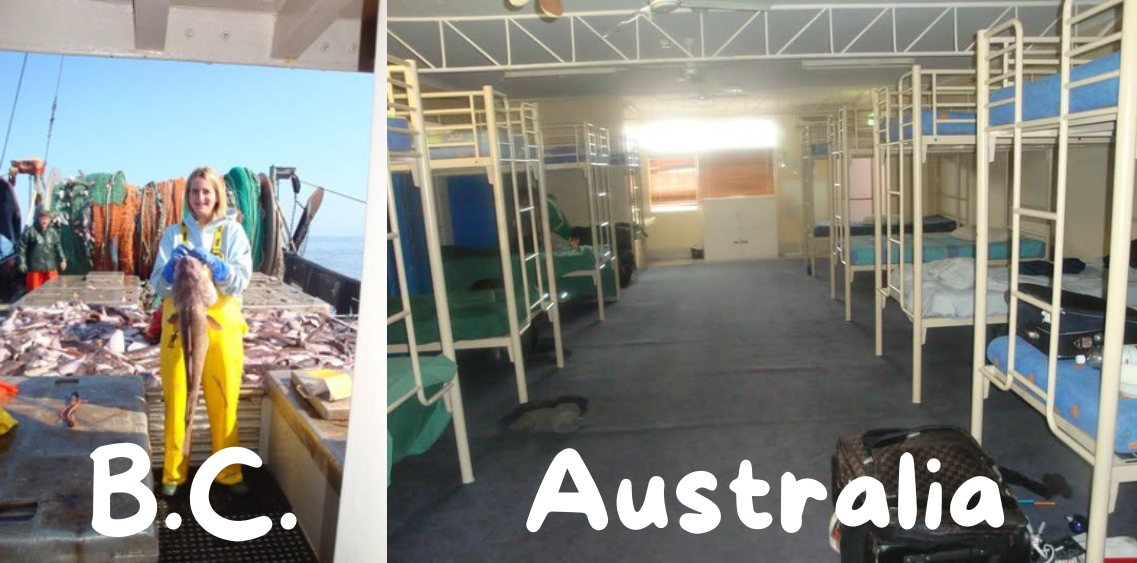
Working in British Columbia and living out of hostels in Australia—when your life keeps moving, a permanent home does not always make sense.
When Hostel Travel Started to Change
There was no specific birthday when I suddenly decided I needed more comfort.
I did not wake up at 30, throw away my backpack and demand a private room with fluffy pillows. The change happened gradually. I continued staying in hostels, but I started paying closer attention to details I had once accepted without much thought.
Dorm size mattered more. Location mattered more. Whether I could get a lower bunk definitely mattered more.
In my twenties, a top bunk was simply a bed. Now, I look at some hostel ladders and wonder who designed them—and whether they have ever tried climbing one in the dark.
I avoid top bunks whenever possible. Partly because some of those narrow ladders are awkward to climb, and partly because I go to the bathroom too often to spend the entire night climbing up and down. There is nothing enjoyable about navigating a metal ladder half-asleep while trying not to wake everyone in the room.
That does not mean I suddenly require luxury. I can still sleep somewhere basic, live out of a backpack and share a room with strangers. I have simply learned which inconveniences affect me most.
My priorities also change depending on why I am visiting a destination.
If I want to explore early in the morning, I probably do not want a hostel where music continues until sunrise. If I am only staying one night before catching a bus, being close to the station may matter more than having a rooftop bar or swimming pool. If nightlife is part of the reason I am there, then a party hostel might be exactly what I want.
I no longer book a hostel because it is a hostel. I book it because it fits that particular trip.
While travelling through Central America in my late thirties, I frequently moved between hostels, hotels and guesthouses. Sometimes a hostel provided the social atmosphere I wanted. Other times, I found a private room for a similar price and happily chose the privacy.
In Puerto Viejo, Costa Rica, I booked a private room at a guesthouse because it was cheaper than some of the available dorm beds. I still had a shared outdoor area and easy access to the beach, but I could close my door at night—although that did not stop a bird from flying into my room twice.
That experience reminded me that choosing more privacy does not necessarily mean choosing a traditional hotel or spending considerably more money.
As I have gotten older, I have also become better at recognizing what kind of stay I need. Sometimes I want to meet other travellers, hear their recommendations and find people to explore with. Other times, I have already spent weeks moving around and do not feel like introducing myself to another room full of strangers.
There is a social energy required for hostel life. You answer the same questions repeatedly: Where are you from? Where have you been? Where are you going next?
Those conversations can lead to friendships, travel companions and unexpected plans. They can also become exhausting when you are tired and simply want to be alone.
Getting older did not make me dislike hostels. It made me more honest about when I actually wanted the hostel experience—and when I only wanted a quiet place to sleep.
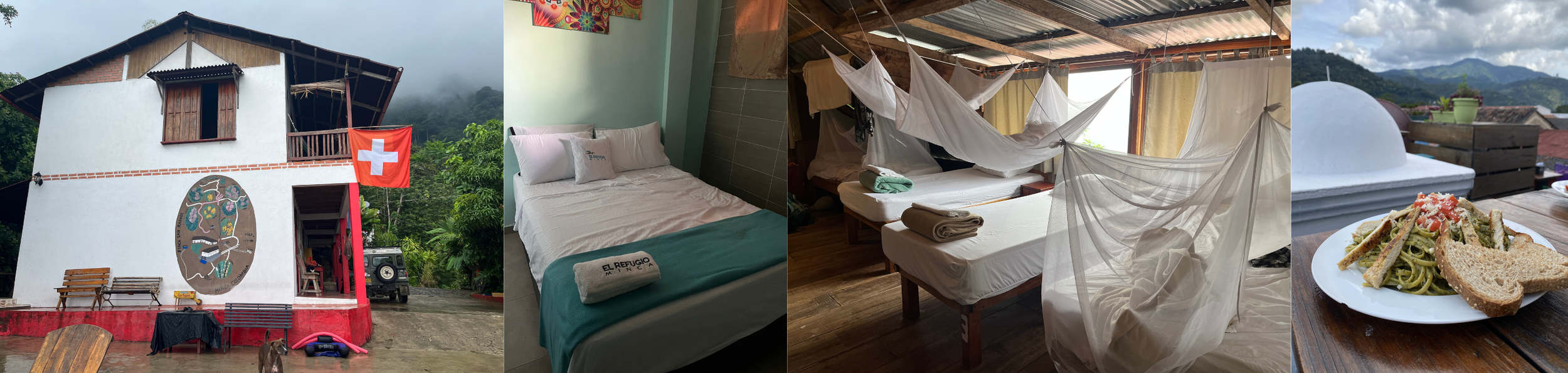
Hostel travel in my thirties was not always about partying. From a finca near Minca, Colombia, to private rooms, shared dorms and lunch on a rooftop in Antigua, I chose each stay for the experience I wanted.
The Awkward Question: Am I Too Old for This?
The question usually does not come from the hostel itself.
It comes from walking into a dorm, looking around and realizing everyone else appears to be ten or fifteen years younger than you.
While travelling through Central America in my thirties, I was often one of the oldest people in the room. It rarely became an issue because most people assumed I was in my late twenties. I was not exactly rushing to correct them.
When my actual age came up, the response was usually surprise rather than judgment. Nobody asked me to leave the common room or suggested I should be staying at a resort. We were all travelling through the same country, using the same buses and trying to figure out where to go next.
Age mattered far less than whether I wanted to participate.
There were nights when I enjoyed sitting around with everyone, having drinks and hearing their travel stories. There were other nights when the hostel was preparing for a party and I had absolutely no interest in joining.
That difference was not always about age. Twenty-year-olds can want an early night, and forty-year-olds can book a hostel specifically because they want to party.
In Santa Marta, Colombia, I deliberately chose a party hostel because partying was part of the plan. I knew what I was booking and wanted the social atmosphere that came with it. If I had been there to rest before an early tour, I would have chosen somewhere completely different.
The problem is not being older in a party hostel. The problem is booking an experience you do not want and expecting everyone else to change it for you.
Some hostels do have official age restrictions, particularly places that describe themselves as youth or party hostels. I have encountered those limits during my travels, although I do not see them as frequently now. Most hostels make their intended atmosphere fairly clear through their descriptions, photographs and reviews—even when they do not list a maximum age.
A hostel filled with pool parties, pub crawls and guests barely out of high school may not be where I want to spend a quiet week. That does not mean I am too old to be there. It means the hostel is designed for a different kind of trip.
There is also a strange pressure to prove that getting older has not changed you. You can still climb onto the top bunk. You can still stay out until sunrise. You can still tolerate three hours of sleep and spend the next day sightseeing.
But being capable of doing something does not mean you have to enjoy it.
I no longer feel the need to choose the most uncomfortable option to prove that I am still a backpacker. Selecting a lower bunk, a smaller dorm or even a private room does not erase the countries I have travelled through or the experiences I have had.
If anything, age has made me better at hostel travel. I know what questions to ask, what kind of atmosphere suits me and when paying a little more will improve the trip.
Feeling out of place is possible at any age. But in my experience, most hostel travellers care more about whether you are friendly, respectful and willing to share the space than the year printed on your passport.

I went out in Santa Marta, met nobody and returned to my dorm—only for everyone to tell me, “Come party with us!” So, I got changed again and went straight back out. Sometimes the hostel really does make the night.
I’m Not Too Old—I Just Know What I Want
At 40, I am not finished with hostels.
I will continue choosing them when I am travelling alone, want to meet people or find one in the right location at the right price. Hostels still provide something that most hotels cannot: an immediate community of people who understand what it is like to live out of a backpack and make plans one destination at a time.
However, I no longer believe staying in the cheapest dorm makes me a more authentic traveller.
I am allowed to want a lower bunk. I am allowed to choose a private room because I need sleep. I am allowed to skip the pub crawl, avoid the twenty-bed dorm or decide that a guesthouse provides better value.
My current knee injury would make some hostel bunk ladders nearly impossible, but that does not mean hostels are permanently out of the question. It means I would need to request a lower bed or choose a room designed around what my body can currently manage.
That is not giving up. It is adapting.
The same applies to anyone who worries they have aged out of hostel travel. You do not need to use the same kind of accommodation on every trip or continue travelling exactly as you did at 23.
You may once have chosen the biggest dorm because it was the cheapest. Now, you might pay slightly more for four beds instead of fourteen. You may still enjoy a social hostel but want curtains around the bed and quiet hours after midnight. You might spend several nights in dorms and then book a private room when you need to recover.
None of those choices make you less adventurous.
As I discussed in Hostel vs. Hotels (and Everything in Between), different types of accommodation serve different purposes. Hostels provide community, hotels offer privacy and sometimes the best option is somewhere in between.
The important question is not, Am I too old to stay in a hostel?
It is, Does this hostel suit the trip I want to have?
If the answer is yes, your age should not stop you from booking the bed. Read the description, check for age restrictions and choose a room you will actually be comfortable staying in. If the atmosphere feels wrong or the ladders look like an obstacle course, choose somewhere else without feeling guilty.
I first stayed in a hostel at 23, when an unexpected ten-bed dorm became my private room for the night. Since then, hostels have given me homes, jobs, friendships, travel companions and stories from around the world.
At 40, I may be more selective about where I stay, but I have not outgrown hostels.
I have simply outgrown believing that discomfort is a requirement for adventure.
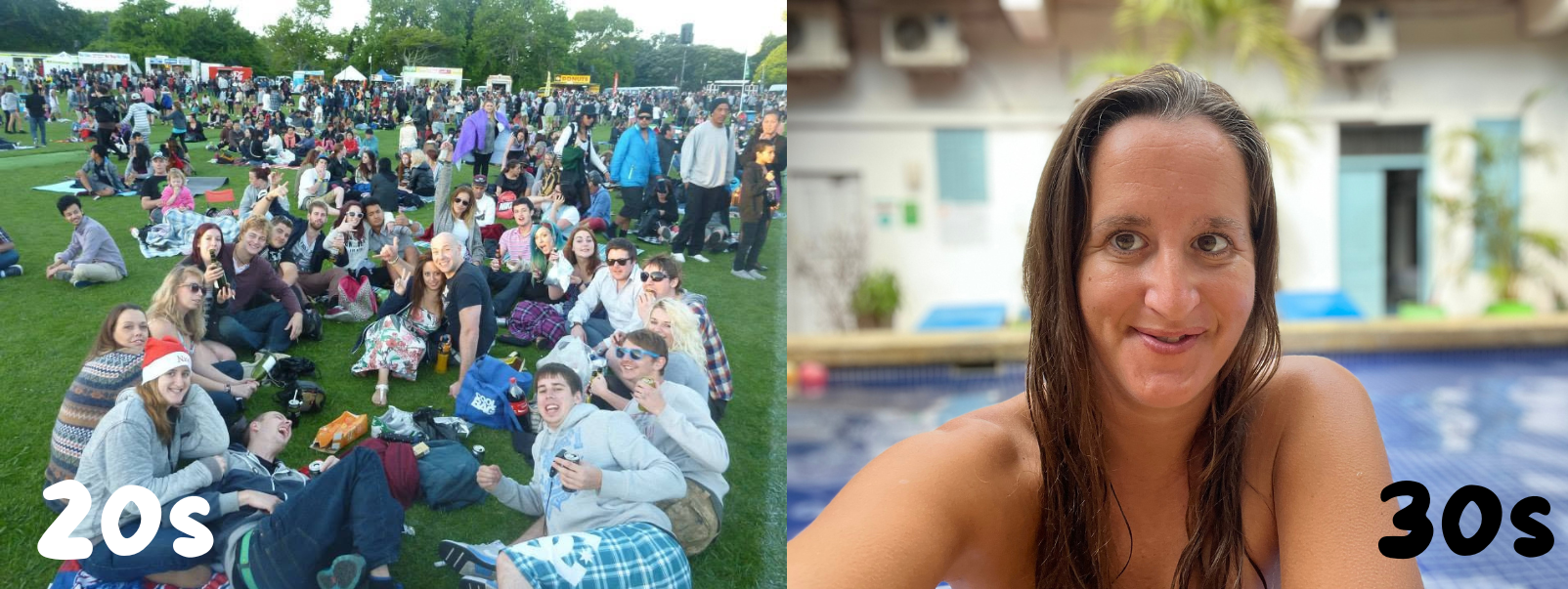
In my twenties, hostel life gave me friends to join at Christmas in the Park in Auckland. In my thirties, it gave me a pool in Santa Marta while I waited for a replacement debit card after my wallet was stolen. Different decades, different circumstances—hostels still had a place in both.
