The Solo Explorer’s Guide to Honduras
✨Intro
Honduras is a country of contrasts — ancient Mayan ruins, scarlet macaws, rugged mountains, and some of the Caribbean’s best diving. Often overlooked due to safety concerns, it rewards travelers with adventure-filled days, vibrant culture, and islands that feel like paradise.
I spent two weeks exploring both the mainland and the Bay Islands — hiking above Tegucigalpa, wandering the cobblestone streets of Copán, donating to help rebuild the scarlet macaw population, rafting near La Ceiba, and diving in Utila before scooter-riding through Roatán at sunset.
Honduras isn’t the easiest country to navigate — transportation requires planning and safety requires awareness — but the experiences here felt raw, real, and unforgettable.
If you’re willing to travel smart and stay alert, Honduras offers history, reefs, wildlife, and warmth you won’t find in more polished tourist destinations.
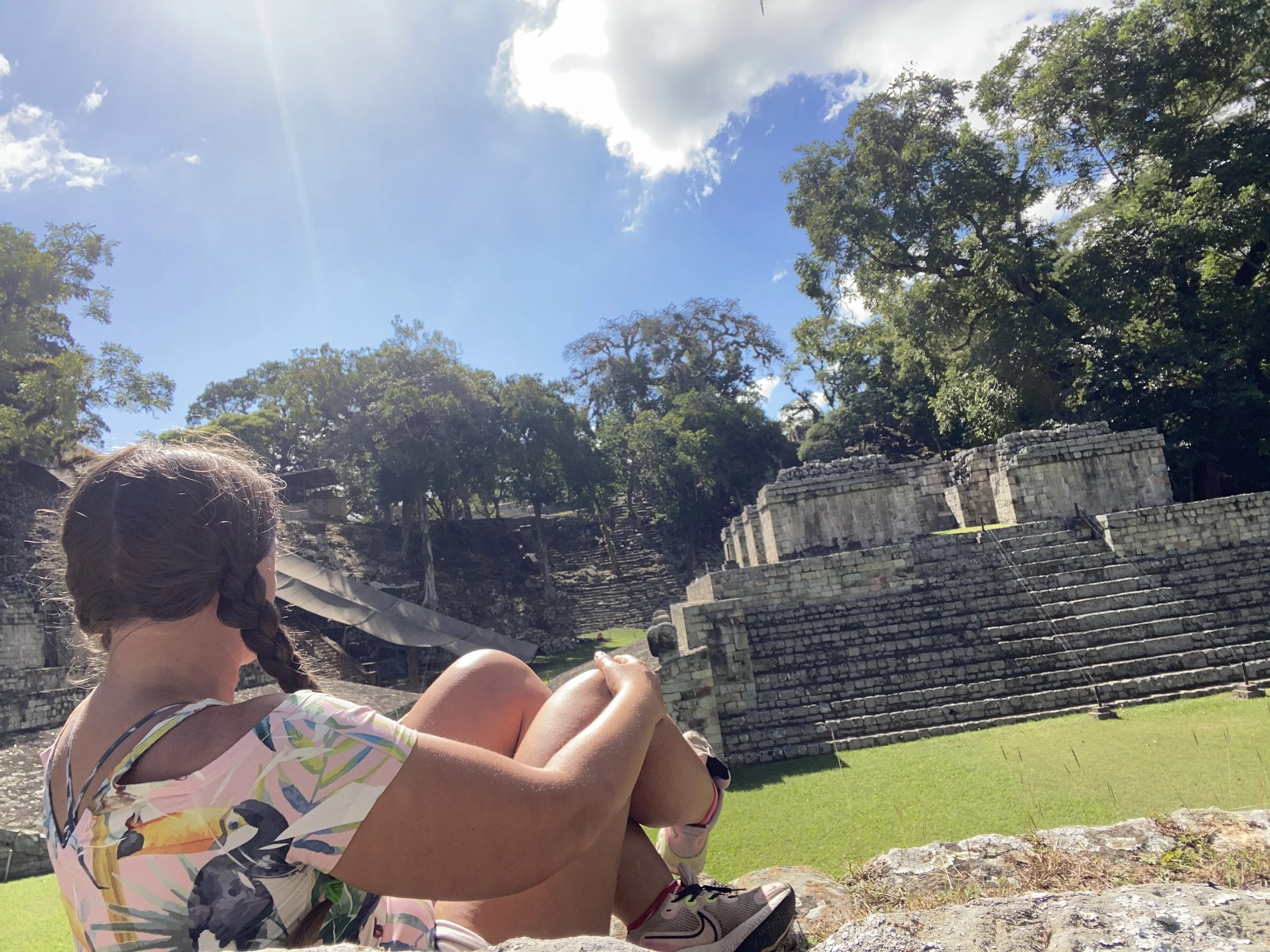
Copán Ruinas — a reminder that Honduras is more than just its islands.
🌍 Why Honduras Is Great for Solo Travelers
• Bay Islands = Instant Community
Utila and Roatán are backpacker hubs — diving, beach hostels, and sunset bars make it easy to meet other travelers quickly.
• Adventure Brings People Together
From Mayan ruins in Copán to rafting near La Ceiba and island snorkeling, most activities naturally connect you with like-minded travelers.
• Budget-Friendly Diving
Utila is one of the cheapest places in the world to get PADI certified — perfect for joining group courses or dive boats solo.
• Authentic, Less Polished Travel
Outside the islands, Honduras feels raw and local. Towns move slower, tourism is lighter, and experiences feel more independent.
💡 Solo Safety Note: Honduras requires awareness. Avoid walking alone at night (especially in larger cities), keep valuables discreet, and always ask locals or your hostel which areas are safe. Tourist areas — particularly the Bay Islands — felt significantly more relaxed than mainland cities.
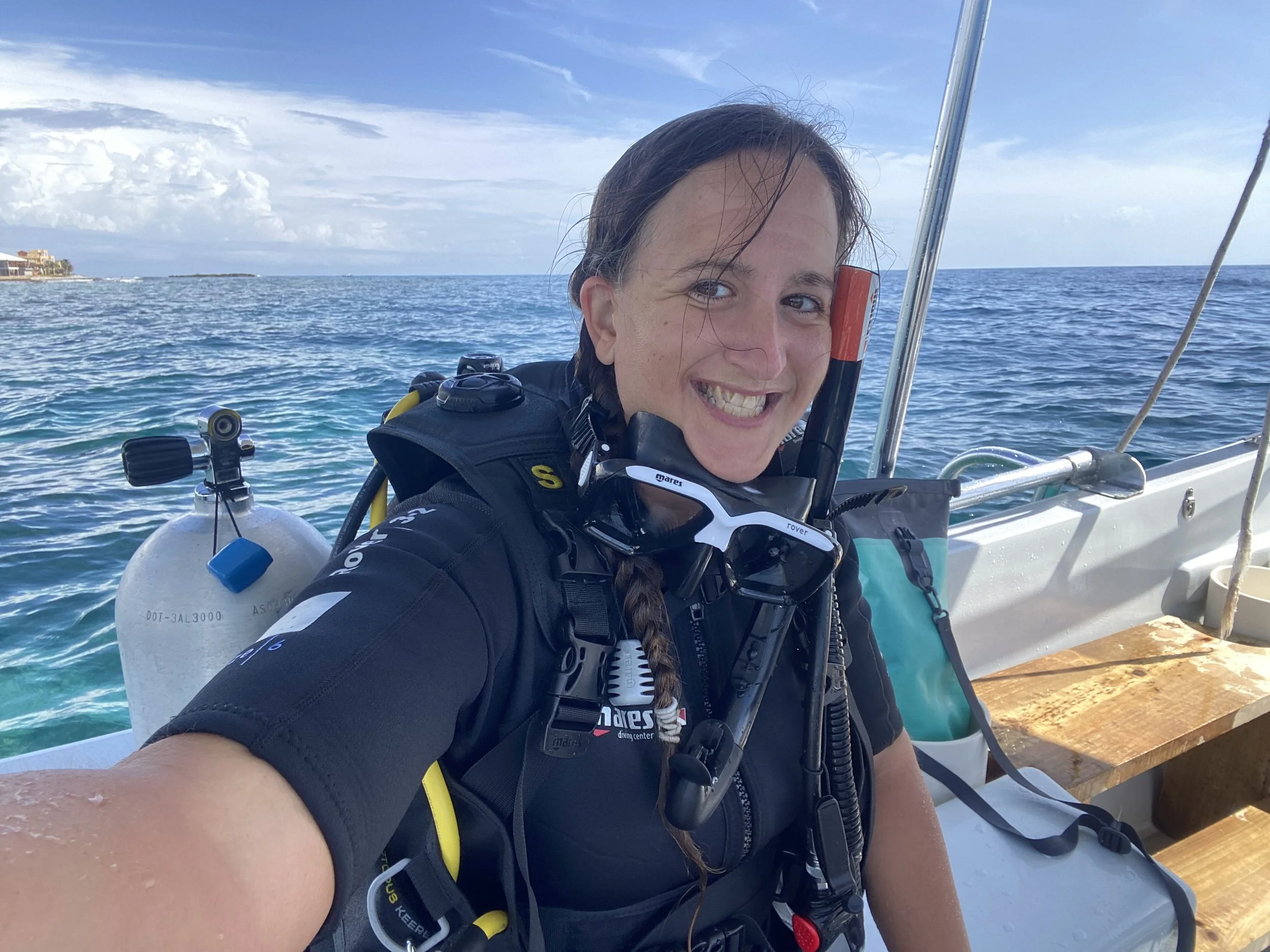
The Bay Islands sit on the Mesoamerican Reef — making Honduras one of the most affordable and accessible places to dive in the Caribbean.
🛂 Entry & Visa
Tourists from Canada, the U.S., U.K., EU countries, Australia, and many others can enter visa-free for up to 90 days under the CA-4 Agreement (Honduras, Guatemala, El Salvador, and Nicaragua).
• Passport validity: Must be valid for at least 6 months from your date of entry.
• CA-4 Rule: Your 90 days applies to all four countries combined — not per country.
• Extensions: A 30-day extension may be available through Honduran immigration offices.
• Exit tax: Often included in your airfare. If not, expect to pay approximately $35–40 USD when departing by air.
⚠️ Important:
Overstaying your CA-4 allowance can result in fines when exiting the region.
💡 JD’s Tip:
If you’re traveling through multiple CA-4 countries (like Guatemala → El Salvador → Honduras → Nicaragua), track your days carefully. Immigration doesn’t reset the clock when you cross borders.
⚠️ Disclaimer:
Entry requirements can change at any time based on your nationality and government policies. Always check official immigration sources or your government’s travel advisory before booking your trip.
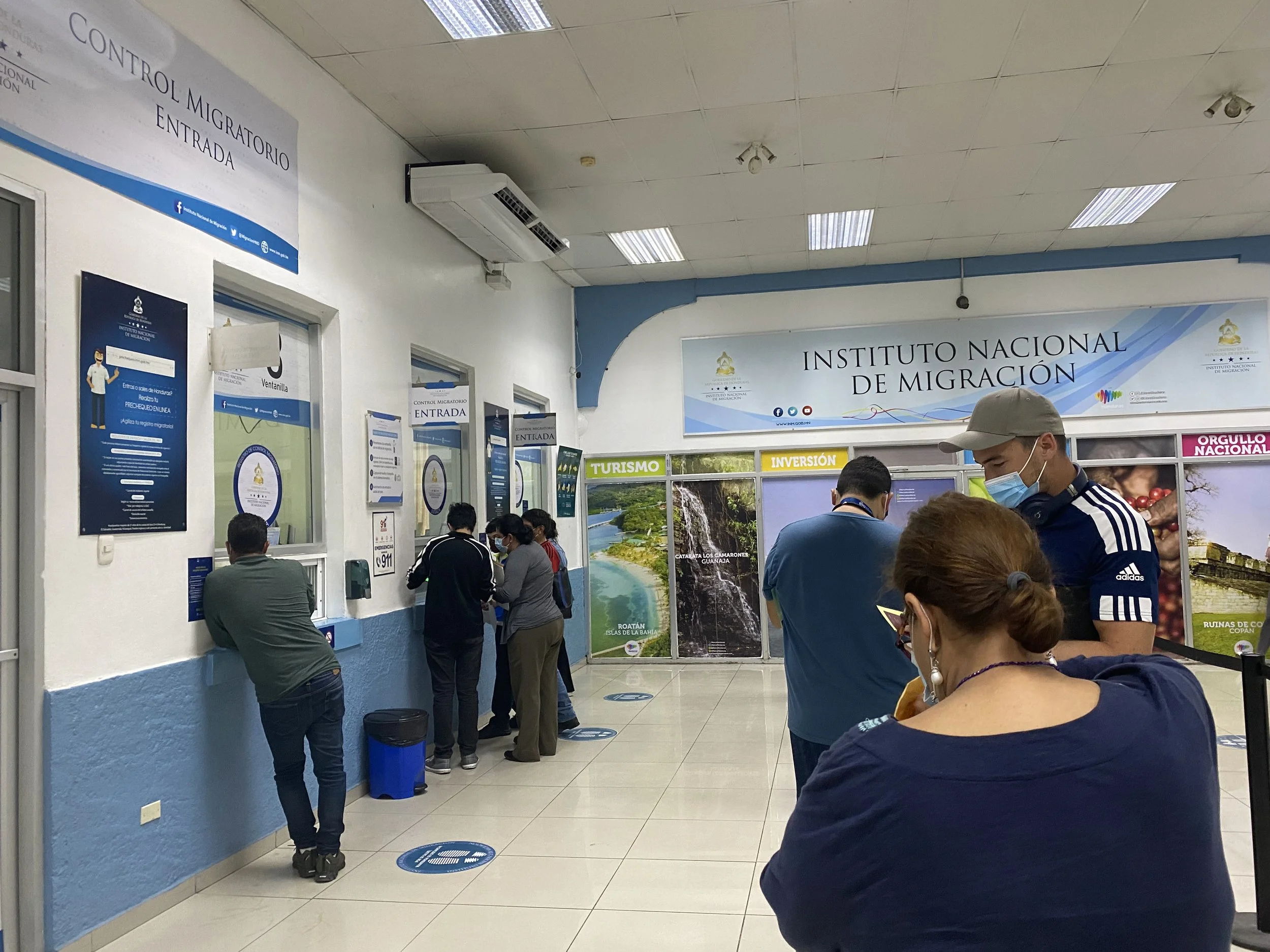
Land border immigration in Honduras — simple, functional, and sometimes slower than expected. Bring patience and small bills.
🌤️ Best Time to Visit Honduras
Honduras has two main seasons — dry and rainy — with the Bay Islands and north coast slightly different from inland regions.
☀️ Dry Season (November – April)
The best overall time to visit. Expect warm temperatures, sunny skies, and calmer seas — ideal for diving in Utila and Roatán, exploring Copán’s ruins, and relaxing in Tela.
🌧️ Rainy Season (May – October)
Afternoon downpours are common, especially on the north coast and islands. Travel is still possible, but heavy rain can disrupt ferries, buses, and outdoor activities. On the plus side, landscapes are lush and accommodation prices may be lower.
🎄 Holiday Season (Late December – Early January)
A lively time to visit — especially on the Bay Islands. Beaches fill with both locals and international travelers, and prices increase around Christmas and New Year.
🦈 Whale Shark Season (March – May)
If diving is your priority, this is the best window to visit Utila. Sightings are never guaranteed, but this is peak season.
💡 JD’s Tip:
If your main goal is diving and island time, plan for dry season. If you’re exploring inland towns like Copán, shoulder months (November or April) offer good weather with fewer crowds.
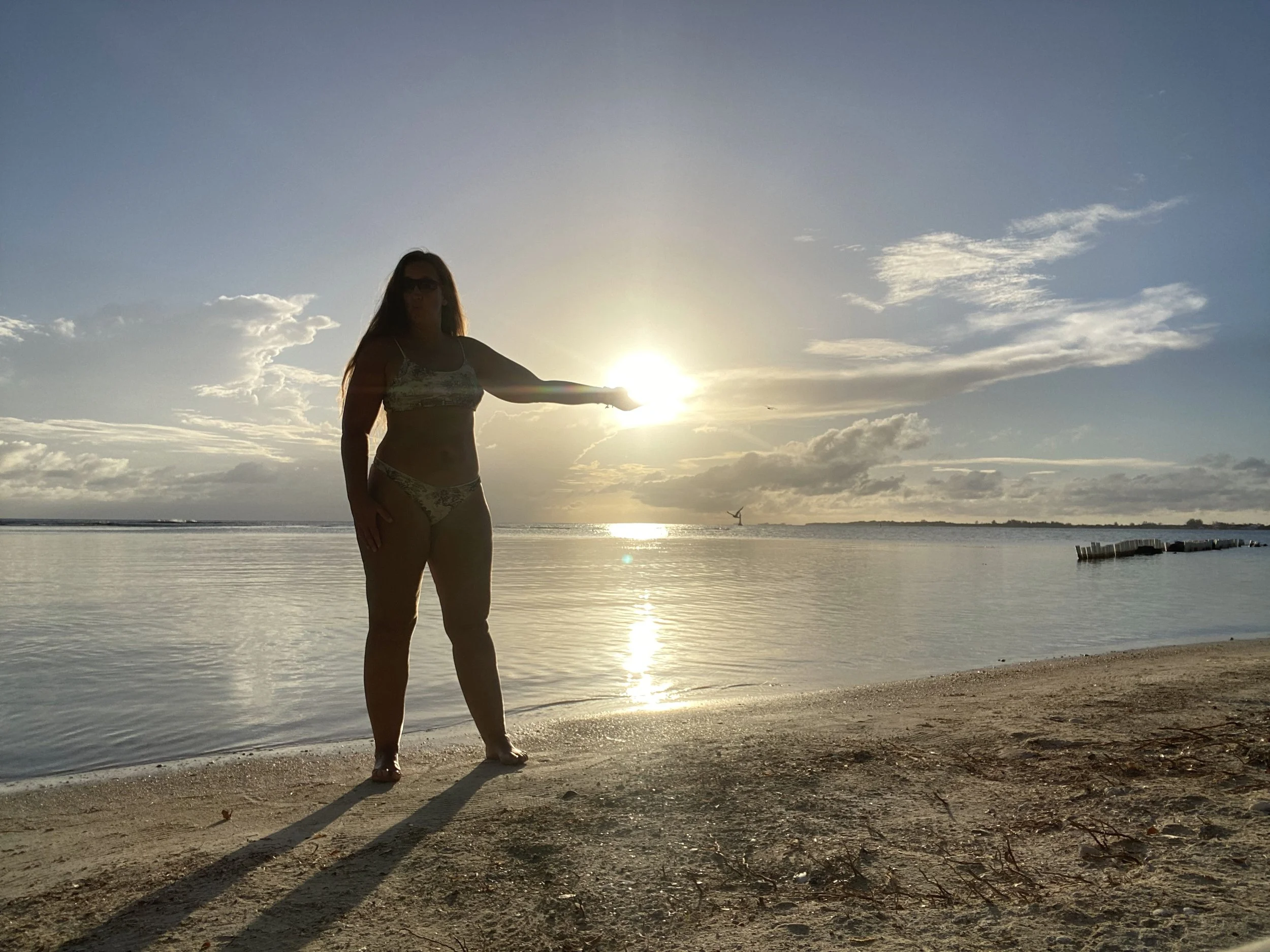
December brought warm evenings, still water, and skies that didn’t need a filter.
💰 Money & Currency: How to Pay in Honduras
💵 Currency: Honduran Lempira (HNL)
💲 U.S. dollars are sometimes accepted in tourist areas — especially on Roatán — but you’ll usually receive change in lempiras.
📊 Exchange Rate (approx.):
1 USD ≈ 25 HNL
(Always check current rates before traveling.)
🏧 ATMs:
Available in cities and larger towns. Not all machines accept foreign cards, so try bank-affiliated ATMs and withdraw during the day when possible.
💳 Cards:
Accepted in hotels, dive shops, and restaurants in tourist areas. Cash is still essential for buses, small towns, markets, and street food.
🍽 Tipping:
Not mandatory, but 10% in restaurants with table service is appreciated. Some tourist restaurants may already include a service charge.
💡 JD’s Tip:
Carry small bills. Colectivos, tuk-tuks, and local vendors often can’t break anything larger than 100 HNL. On the islands, prices are higher and sometimes quoted in USD — but inland Honduras is very cash-based.
🛏️ Where I Stayed
I booked all my accommodations through Booking.com, which gave me flexibility as I moved around the country. I relied on my own research and planning to get between towns, since reliable information wasn’t always easy to find.
Tegucigalpa — My hostel had 24/7 security, which gave me peace of mind, though staff didn’t speak much English. It was a basic stopover before continuing north.
Copán Ruinas — Budget-friendly stay within walking distance of the ruins. Tuk-tuks wait outside the archaeological site if you’re heading to Macaw Mountain.
Tela — A quiet coastal town where I stayed for some beach time before heading east. Accommodation was simple, but it gave me a chance to relax by the sea away from crowds.
La Ceiba — More of a transport hub than a destination. Practical for ferries and rafting tours, but routes require planning.
Utila — Hostel life made diving easy and social. Ideal for meeting other travelers and joining PADI courses.
Roatán — Roatán is much larger and more spread out than Utila.
I stayed outside the main tourist hub (West End / West Bay area). While it was quieter and more local, it meant longer drives to restaurants, beaches, and nightlife.
If it’s your first time visiting Roatán and you want easy access to dive shops, beaches, and social spots, staying near West End is the most convenient option.
If you prefer something quieter and don’t mind renting a scooter, staying farther out can feel more local and less crowded.
💡 JD’s Tip: In Honduras, hostels vary a lot in services and English ability. Don’t expect staff to always have transport info — it pays to double-check online or ask fellow travelers.
Roatán is not very walkable outside West End. If you stay farther away, budget for taxis or rent a scooter — it makes a huge difference in freedom and convenience.
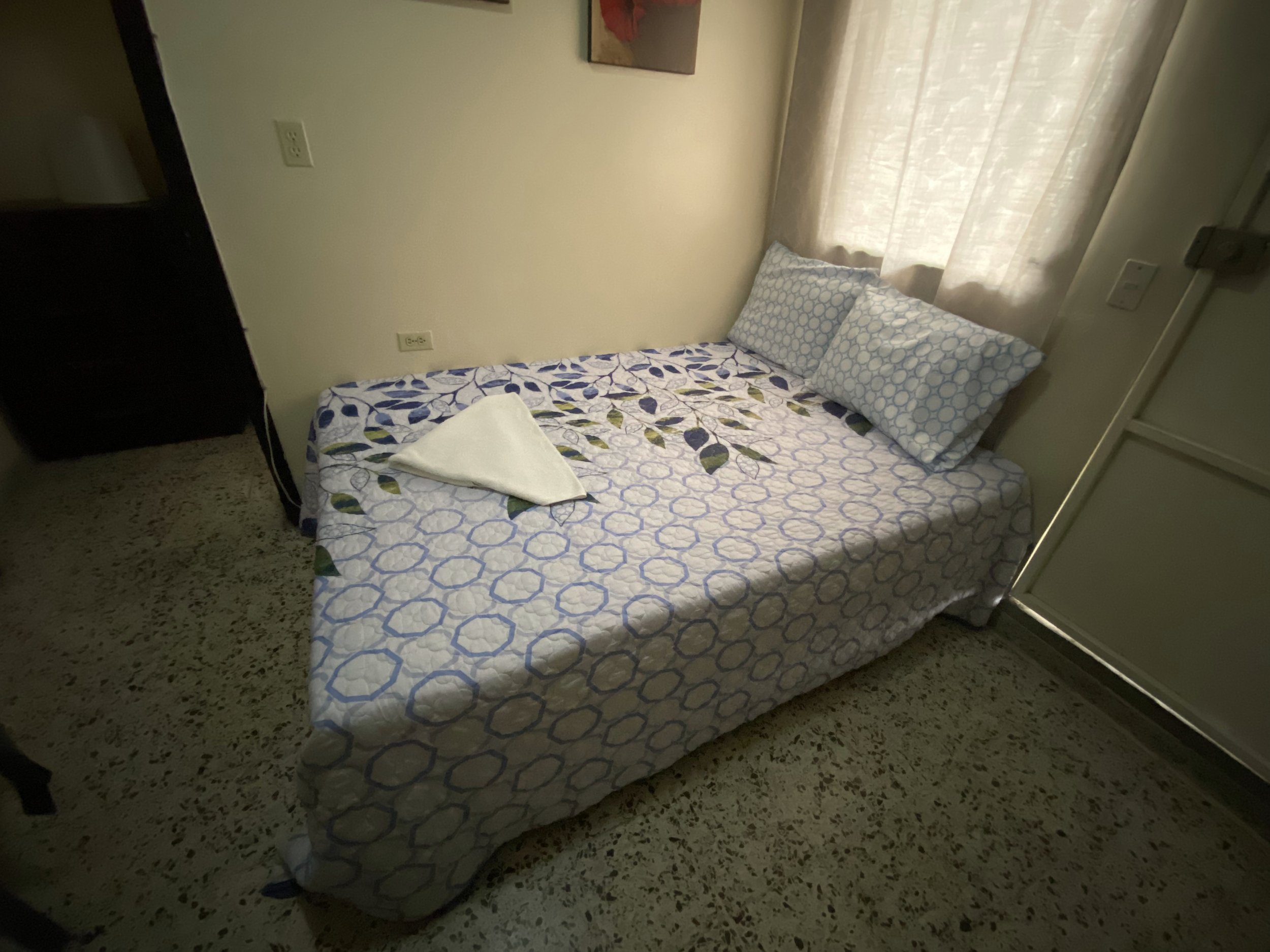
Simple, clean, and budget-friendly — most of my stays in Honduras were practical rather than luxurious.
🍽️ What to Eat in Honduras
Honduran food is simple, hearty, and affordable — with strong Caribbean and Indigenous influences depending on the region.
🥙 Baleadas
The most iconic Honduran street food. A thick flour tortilla folded with refried beans, cheese, and crema. You can add eggs, avocado, or meat. Cheap, filling, and available everywhere.
🐟 Fried Fish with Plantains
Common along the coast and islands. Usually served whole with rice, salad, and crispy plantains.
🍌 Plátanos Fritos
Sweet fried plantains — often served as a side with most meals.
🍲 Sopa de Caracol (Conch Soup)
A coconut-based seafood soup popular along the Caribbean coast, especially in Garífuna communities.
🍗 Pollo con Tajadas
Fried chicken served over sliced fried green bananas (tajadas), topped with cabbage and sauce. Very local. Very filling.
☕ Honduran Coffee
Grown in the highlands and known for being smooth and rich. Worth bringing home.
💡 JD’s Tip:
Baleadas are the ultimate budget meal — perfect for early bus mornings. On the Bay Islands, expect more seafood and slightly higher prices. Inland, local comedores offer full plates for just a few dollars.
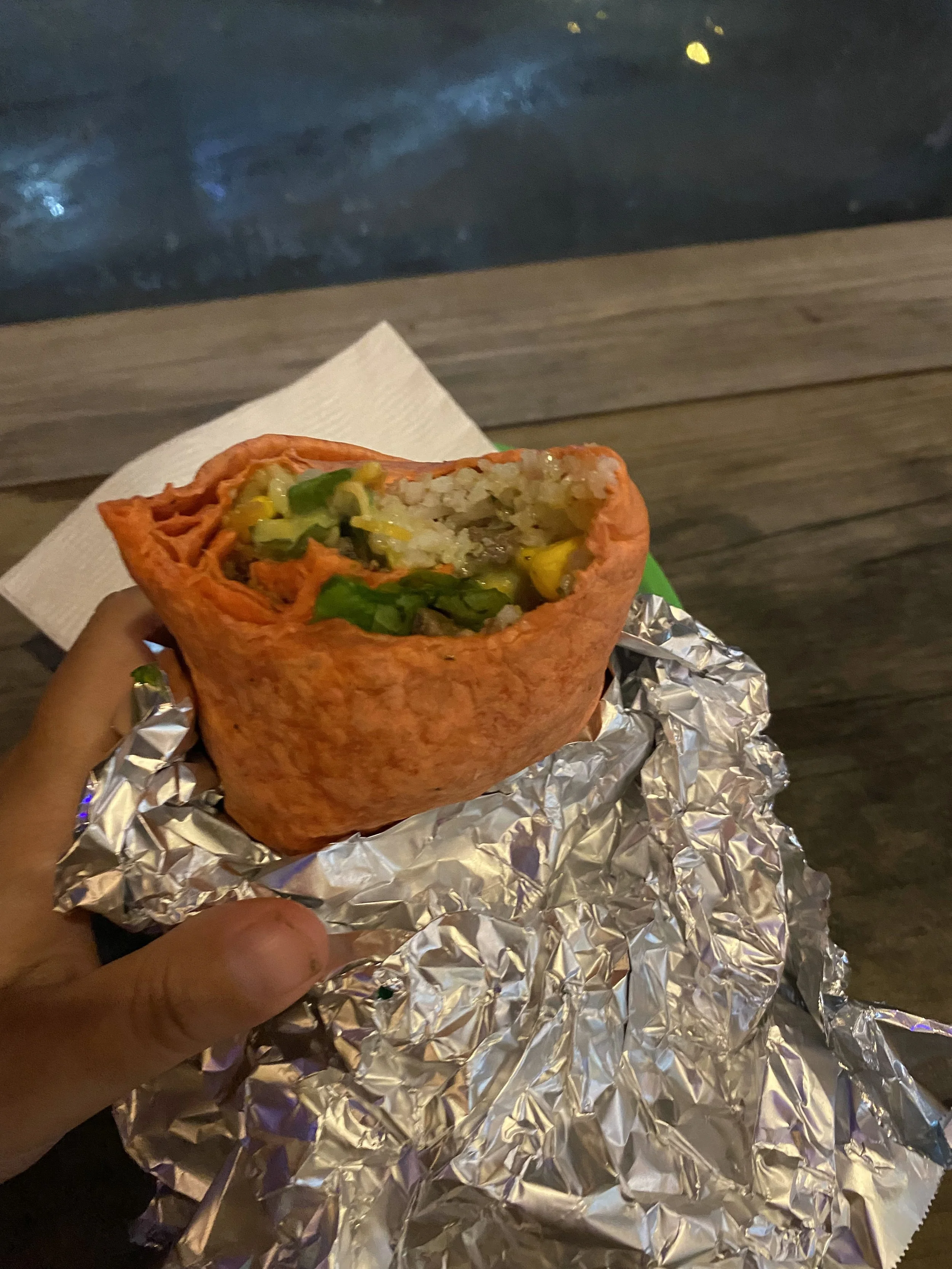
Cheap, filling, and everywhere — baleadas quickly became my go-to meal between travel days.
🗺️ Suggested 10–14 Day Honduras Itinerary
🏛 Copán Ruinas (2–3 days)
Historic, charming, and deeply cultural.
• Explore the Copán Mayan Ruins
• Visit Macaw Mountain Bird Park
• Wander the town plaza
• Optional coffee farm tour
Copán feels authentic and relaxed — a strong cultural starting point.
🌊 Tela (1–2 days)
Low-key beach time.
• Relax on quieter Caribbean beaches
• Visit Punta Sal National Park
• Explore nearby Garífuna communities
Tela offers coastal beauty without heavy resort development.
🚣 La Ceiba (1–2 days)
Adventure base and ferry hub.
• White-water rafting
• Hiking in Pico Bonito
• Gateway to the Bay Islands
More functional than charming, but great for outdoor activities.
🤿 Utila (2–4 days)
Compact, social, and dive-focused.
• Get PADI certified
• Snorkel or dive the Mesoamerican Reef
• Meet other backpackers
• Whale shark season (March–May)
Utila is affordable, walkable, and community-driven.
🌴 Roatán (3–5 days)
More developed but beautiful.
• Stay near West End for walkability
• Dive or snorkel coral reefs
• Visit Gumbalimba Park
• Rent a scooter to explore beyond the tourist core
Roatán is more built up than the rest of Honduras, but still offers incredible reef access and sunsets.
💡 JD’s Tip:
If you only visit Roatán, you’ll see one version of Honduras. If you combine mainland towns with island time, you’ll experience its culture, wildlife, and history in a much deeper way.
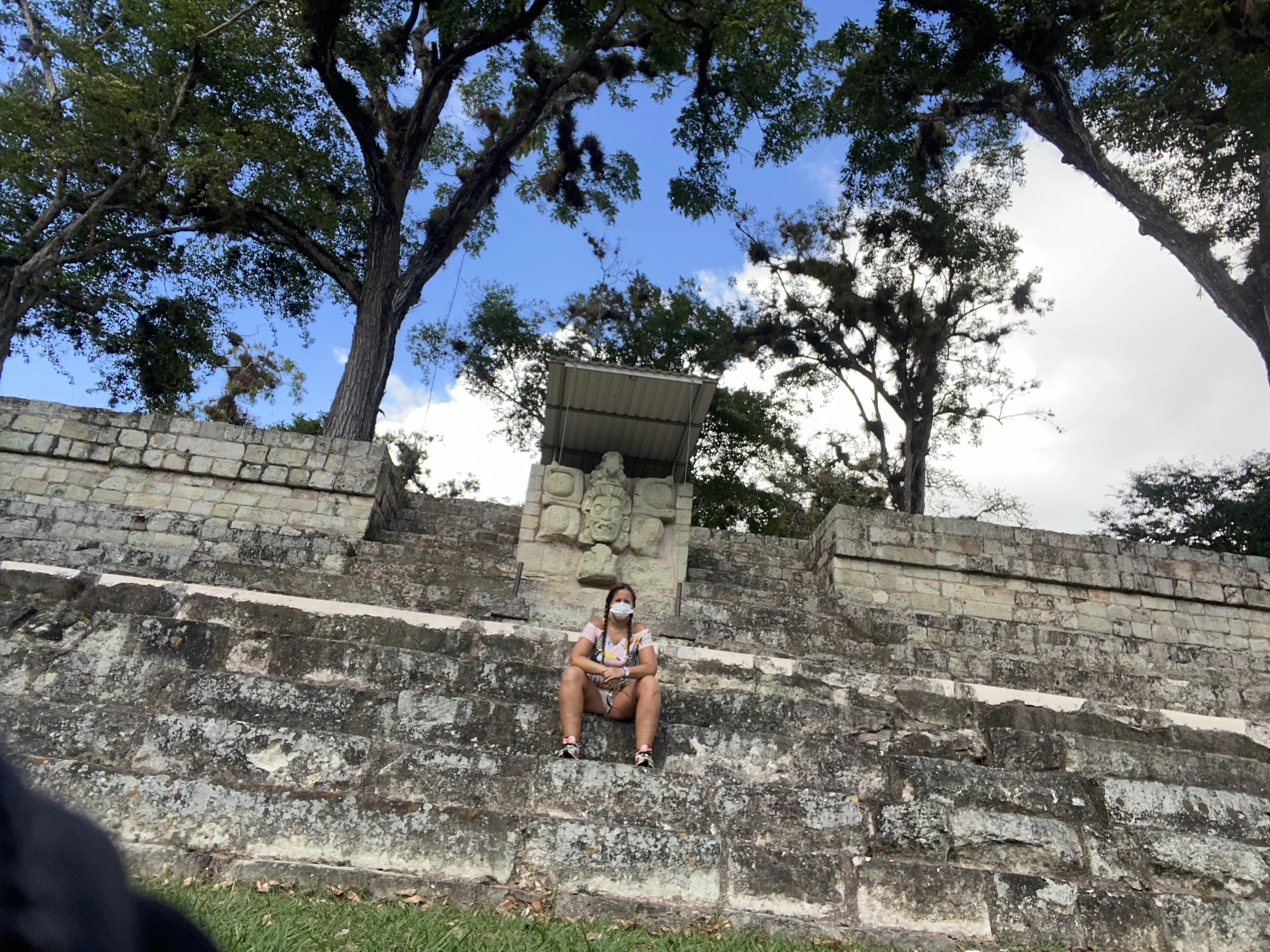
Add Copán to your route for history, archaeology, and a slower-paced mainland experience.
🚐 Getting Around Honduras
Transportation in Honduras requires planning. Routes aren’t always posted online, schedules can change, and connections aren’t always daily — especially outside major routes.
🚌 Local Buses (Budget Option)
• Very affordable
• Run between most major towns
• Often no fixed schedule — they leave when full
• Can be crowded and basic
Great for budget travelers, but allow extra time and patience.
🚐 Shuttles (Easier Option)
• More expensive than buses
• Often door-to-door
• Common between tourist towns (Copán, La Ceiba, Bay Islands)
• Can be arranged through hostels or travel agencies
A smoother option if you prefer less uncertainty.
⛴ Ferries to the Bay Islands
• Depart from La Ceiba
• 1–1.5 hours depending on destination
• Can be rough if seas are choppy
Bring motion-sickness tablets just in case.
🛵 Scooter Rentals (Roatán)
Roatán is large and not very walkable outside West End.
• Scooter rental gives freedom
• Makes exploring beaches easier
• Budget for fuel
• Be cautious on hills and uneven roads
🚖 Taxis
• Widely available in cities and islands
• Agree on price before entering
• Safer than walking at night
🛺 Tuk-Tuks (Copán Ruinas)
• Common around Copán
• Cheap and quick for short distances
• Waiting outside the ruins and around town
A simple way to get to places like Macaw Mountain without needing to walk in the heat.
✈️ Domestic Flights
Available between Tegucigalpa, San Pedro Sula, and the islands. Faster but significantly more expensive than buses and ferries.
💡 JD’s Tip:
Always confirm routes the day before departure. Don’t assume a shuttle or bus runs daily — especially between smaller towns. Build buffer time into your plans.
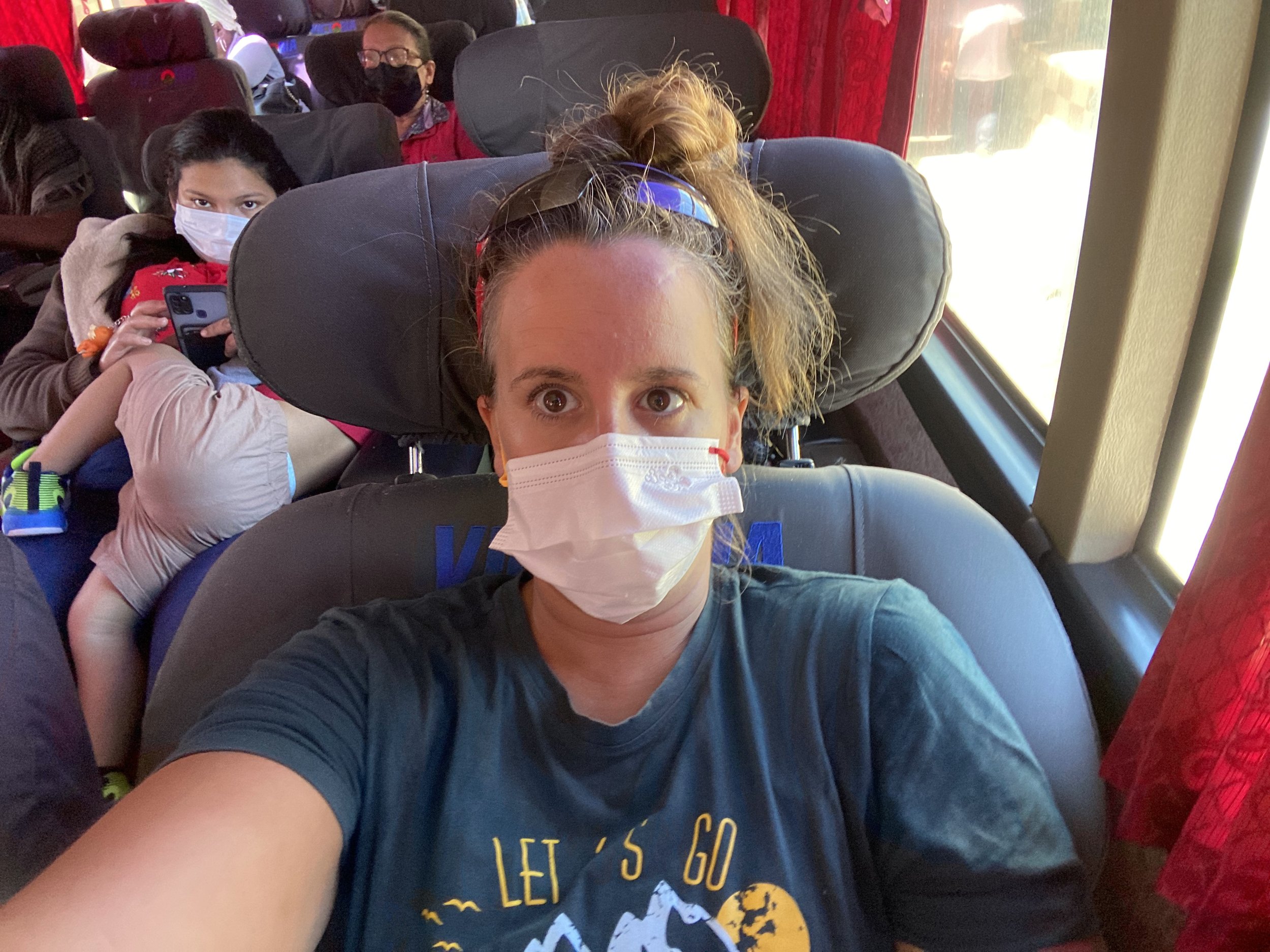
Local buses are the most affordable way to travel between cities — expect basic comfort and longer travel times.
💸 Budget Breakdown / Day (in $USD)
Accommodation
Low: $8–15 — Hostel dorm beds
Mid: $20–40 — Private hostel rooms, budget hotels
High: $60–120+ — Boutique hotels or nicer beach resorts on Roatán
Food
Low: $3–7 — Baleadas, street food, local comedores
Mid: $8–15 — Mix of local and tourist restaurants
High: $15–30+ — Sit-down seafood or international meals, tourist islands
Transportation
Low: $3–8 — Local buses, colectivos, tuk-tuks
Mid: $10–25 — Shuttles, ferries, scooter rental (Roatán/Utila)
High: $30–60+ — Private taxis, tours with transport included
Activities & Tours
Low: Free–$10 — Museum entry, markets, hiking
Mid: $15–40 — Copán Ruins, Macaw Mountain, ziplining, rafting
High: $50–150 — Scuba diving packages, multi-dive days, specialty tours
💵 Daily Total Estimate
Low: $20–45
Mid: $50–110
High: $140–300+
💡 JD’s Tip: Mainland Honduras is very budget-friendly. If you want to keep costs down, limit island time or balance it with inland stops like Copán and Tela.
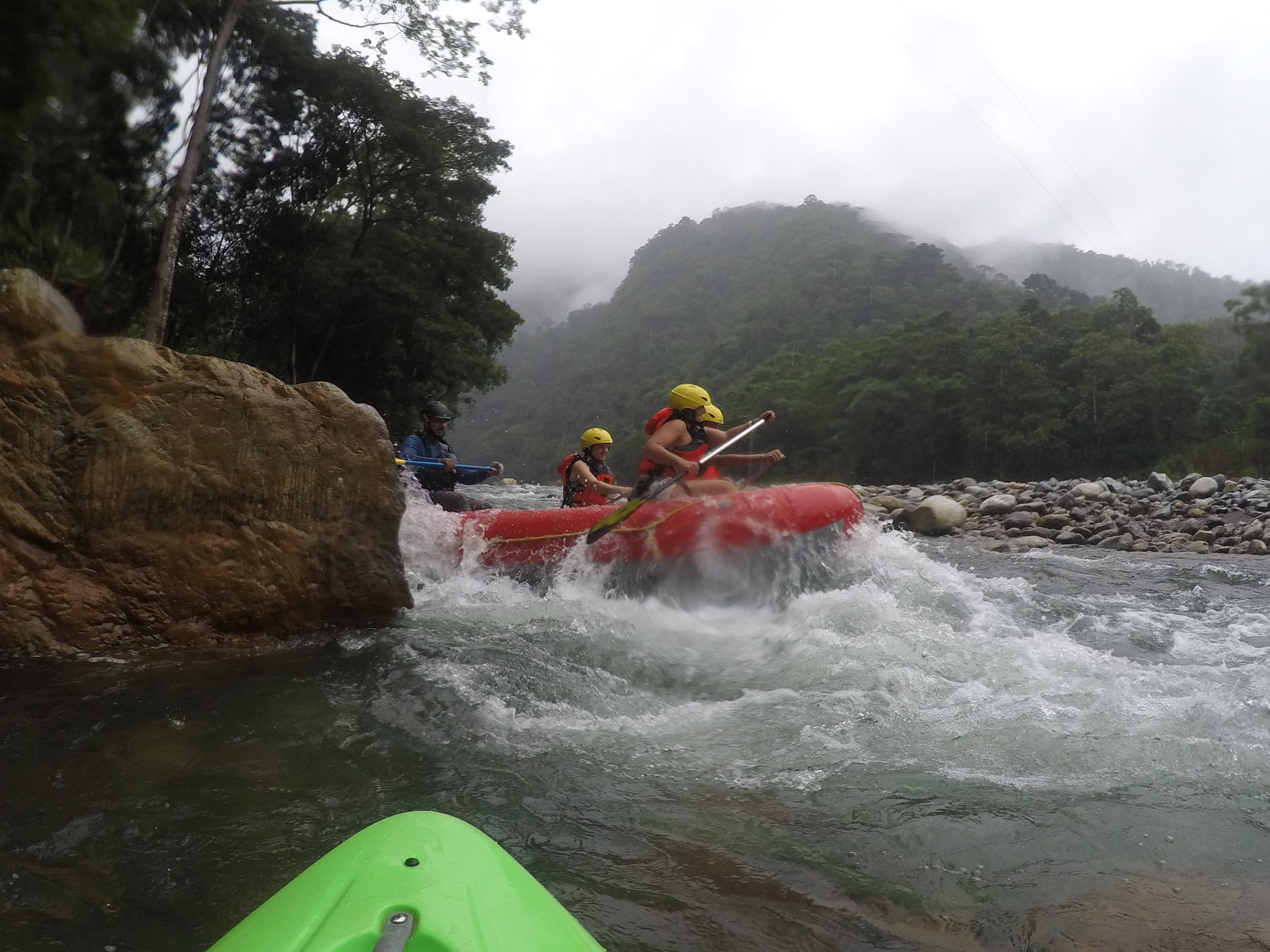
I budgeted for experiences — Honduras makes outdoor adventures surprisingly accessible.
🛍️ Souvenirs to Buy in Honduras
• Macaw Artwork – Paintings, carvings, and crafts inspired by Honduras’ national bird, especially in Copán
• Honduran Coffee – Smooth, highland-grown beans that are easy to pack and practical to bring home
• Lenca Pottery – Handmade ceramics with traditional geometric designs from one of Honduras’ oldest Indigenous groups
• Garífuna Drums or Crafts – Afro-Caribbean cultural items found along the northern coast
• Handwoven Textiles – Locally made bags, table runners, and embroidered pieces
• Shell Jewelry (Ethically Sourced) – Common on the Bay Islands — avoid coral or anything taken from reefs
• Local Hot Sauce or Spices – Small, easy-to-pack additions from markets or local shops
• Postcards from Copán Ruins – Simple but meaningful keepsakes
• Handmade Wood Carvings – Often found in Copán and smaller artisan markets
💡 JD’s Tip: Many of the best souvenirs are made by local cooperatives — buying directly helps support small communities and keeps traditions alive.
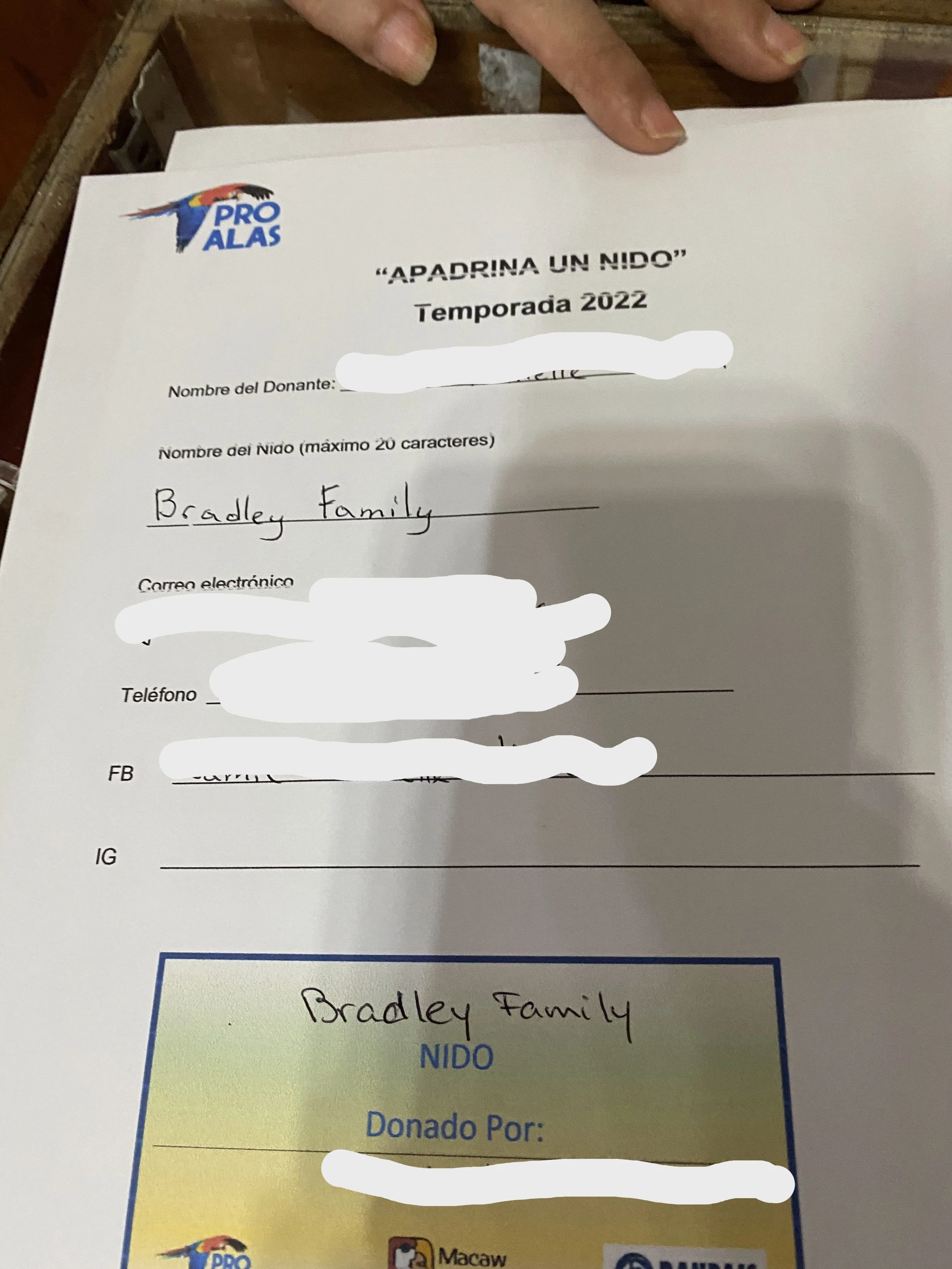
My “souvenir” was helping fund a nest to protect the endangered macaw population.
🌎 Solo & Cultural Tips for Honduras
• Spanish Is Essential – English is limited outside the Bay Islands. Knowing basic Spanish phrases makes a huge difference inland.
• Dress Modestly in Smaller Towns – Beachwear is normal on the islands, but mainland towns are more conservative.
• Don’t Flash Valuables – Keep phones, jewelry, and cameras discreet — especially in larger cities.
• Ask Before Taking Photos – Particularly in Indigenous or Garífuna communities.
• Transportation Requires Patience – Schedules aren’t always fixed. Flexibility helps.
• Bay Islands vs Mainland Culture – The islands feel more Caribbean and international. Inland Honduras feels slower, more local, and deeply traditional.
• Support Local Businesses – Small comedores, family guesthouses, and artisan markets directly benefit communities.
• Travel During Daylight When Possible – Especially between cities.
💡 JD’s Tip: If you want a fuller experience of Honduras, don’t just fly into Roatán and leave. Even 2–3 days inland — like Copán — completely changes how the country feels.
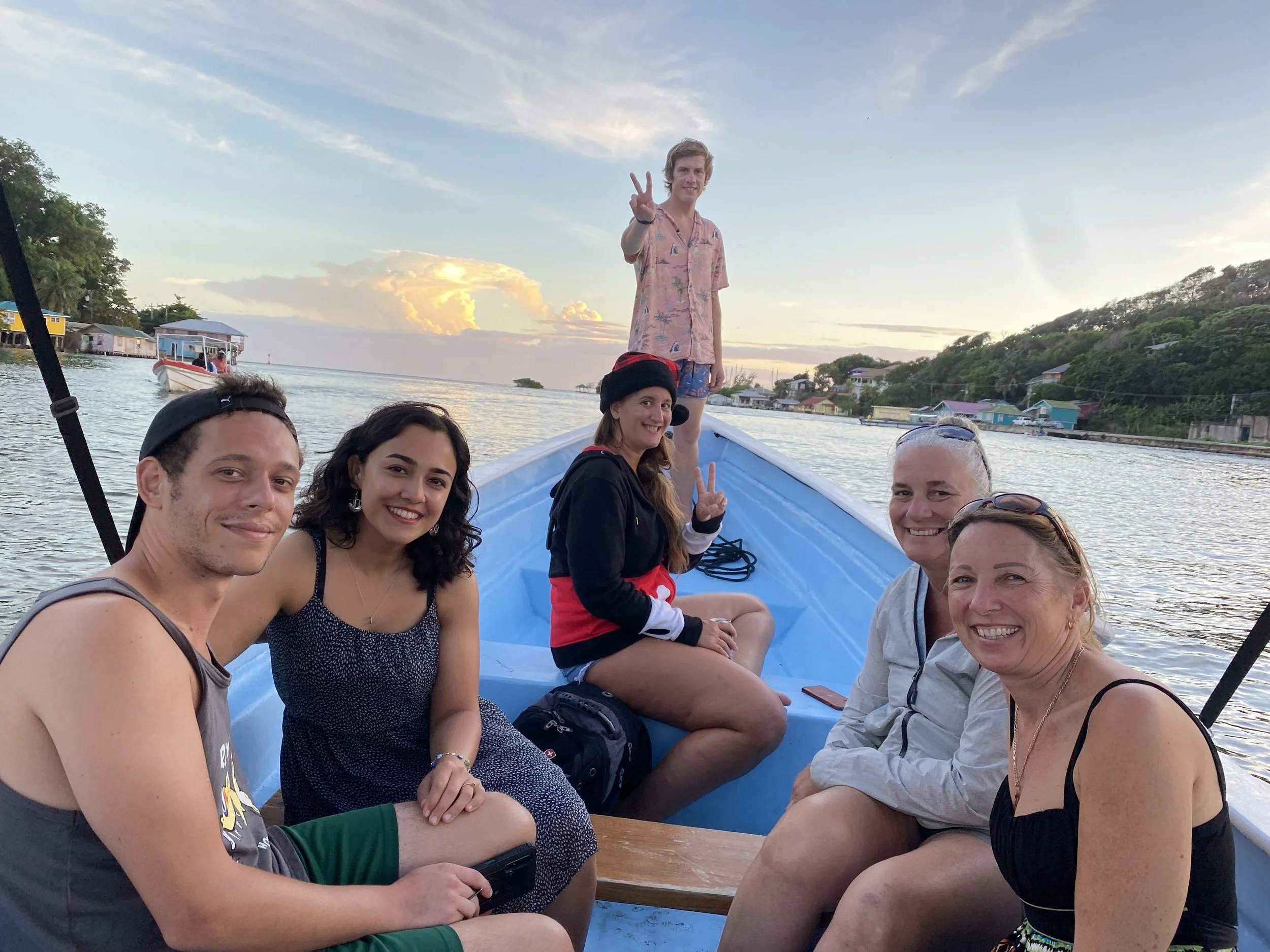
Joining local celebrations — even last minute — is one of the easiest ways to feel connected while traveling solo.
💡 JD Tips for Visiting Honduras
• Mix Mainland & Islands – Roatán is beautiful, but combining it with towns like Copán gives you a fuller experience of Honduras.
• Plan Transportation in Advance – Don’t assume routes run daily. Confirm schedules the day before and build buffer time into your itinerary.
• Travel During Daylight – Especially between cities. Arriving before dark makes everything easier.
• Bring Motion-Sickness Tablets – The ferry to the Bay Islands can be rough depending on the weather.
• Carry Small Bills – Many vendors, buses, and tuk-tuks won’t have change for large notes.
• Learn Basic Spanish – Outside the Bay Islands, English isn’t widely spoken.
• Don’t Overpack Your Schedule – Honduras moves slower. Allow time for transportation changes and relaxed beach days.
• Support Conservation Projects – Macaw Mountain in Copán is a meaningful way to give back while you travel.

If you’re traveling during a holiday, ask what’s happening locally. Some of the best experiences aren’t on your itinerary.
🗣️ Speak a Little… Spanish
Hola — Hello — OH-lah
Buenos días — Good morning — BWEH-nos DEE-ahs
Buenas tardes — Good afternoon — BWEH-nas TAR-des
Buenas noches — Good evening/night — BWEH-nas NOH-ches
Gracias — Thank you — GRAH-syahs
Por favor — Please — por fah-VOR
¿Cuánto cuesta? — How much does it cost? — CWAN-toh KWEHS-tah
La cuenta, por favor — The bill, please — lah CWEN-tah, por fah-VOR
¿Dónde está…? — Where is…? — DON-deh es-TAH…
Baño — Bathroom — BAH-nyo
Agua — Water — AH-gwah
💡 JD’s Tip: On the Bay Islands, you’ll hear lots of English, but on the mainland Spanish will take you much further. Even simple phrases show respect and can make daily travel much smoother.
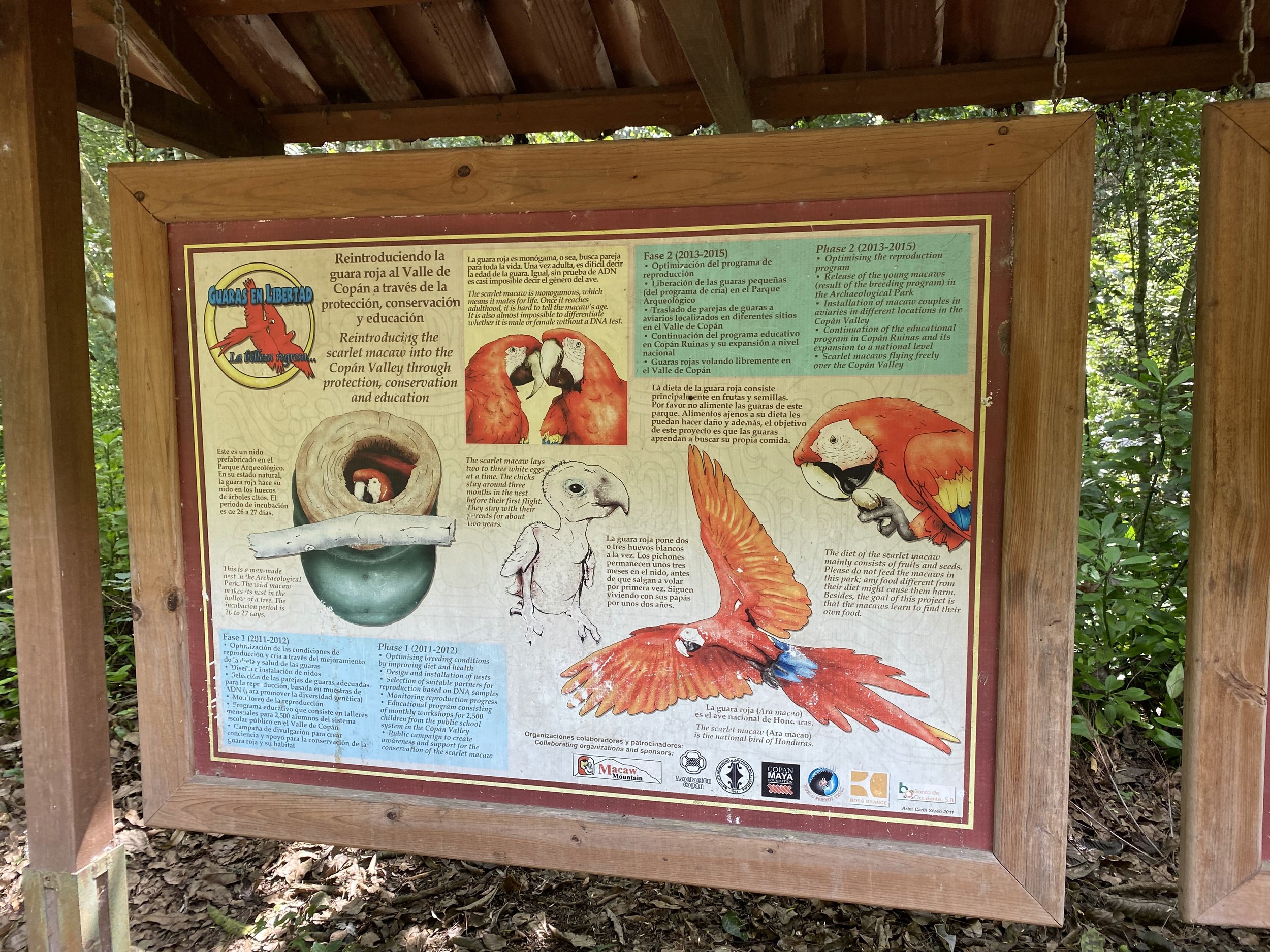
Understanding local conservation efforts starts with understanding the language — even simple Spanish goes a long way.
