The Solo Explorer’s Guide to El Salvador
✨ Intro
Small but full of charm, El Salvador is often overlooked by travelers rushing through Central America — which is a big mistake. This compact country packs in active volcanoes, sparkling crater lakes, lush coffee plantations, colonial cities, and some of the best surf beaches in the region. Add in the warmth of the Salvadoran people, affordable prices, and short travel distances, and you’ve got a destination that’s easy to fall in love with.
During my two weeks here, I experienced a mix of adventure and relaxation. I wandered through Santa Ana’s lively night markets where $2.50 got me a burger, fries, and a drink, hiked the Santa Ana Volcano alongside a new travel companion from Germany, and spent lazy days by the shimmering waters of Lago de Coatepeque. Beach-hopping along the Pacific coast introduced me to the nightlife in Palmarcito, the surfer energy of El Tunco, and the quiet charm of Los Cobanos. Nights often ended with music, laughter, and a beer in hand, and mornings began with ocean views or mountain air.
Getting around, however, requires some planning. While distances are short, there are no fixed schedules for small shuttles, and public buses can be confusing for first-timers. Do your research ahead of time and confirm departure details before showing up. Once you’ve got your transport sorted, the country’s variety is easy to explore — volcanoes one day, coffee in a colonial plaza the next, and the beach by sunset. Whether you’re here for the waves, the hikes, or just to slow down and enjoy the easy pace, El Salvador delivers far more than its small size suggests.
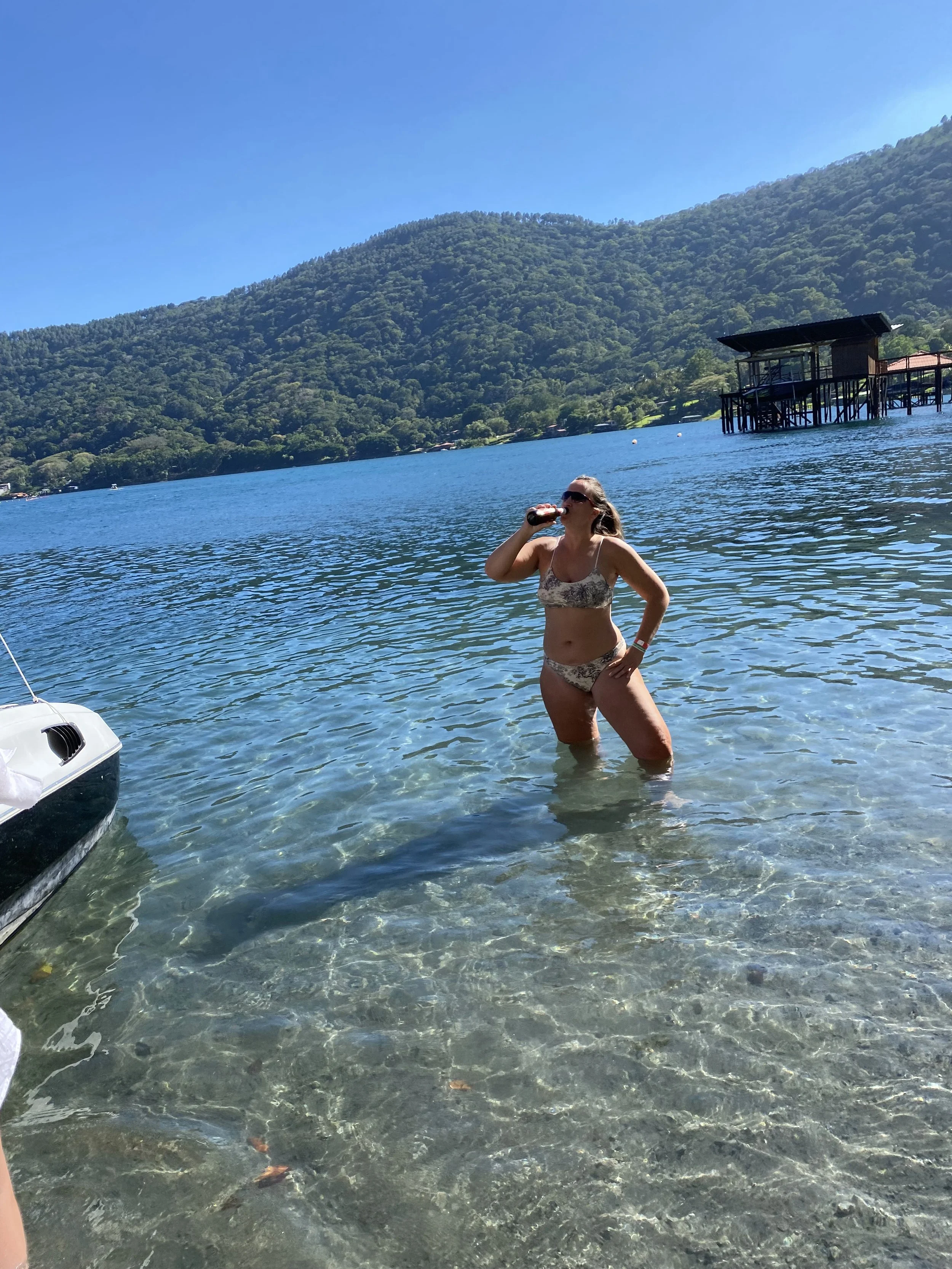
Lake days hit different when you’re swimming in a volcanic crater.
💁♀️ Why It’s Great for Solo Female Travelers
Compact country — Short travel distances make it easy to explore multiple regions in one trip.
Adventure variety — From volcano hikes to crater lakes and surf beaches, there’s always something new to try.
Social hostels — Friendly, laid-back hostels make it easy to meet other travelers.
Affordable eats — Street food and night markets keep costs low while offering plenty of local flavor.
Coastal sunsets — Beaches like El Tunco and Los Cobanos are perfect for unwinding solo.
Welcoming locals — Salvadorans are warm and often eager to chat or help with directions.
💡 JD’s Note: Never travel alone at night. Stick to trusted shuttles for intercity travel, and plan your routes in advance.
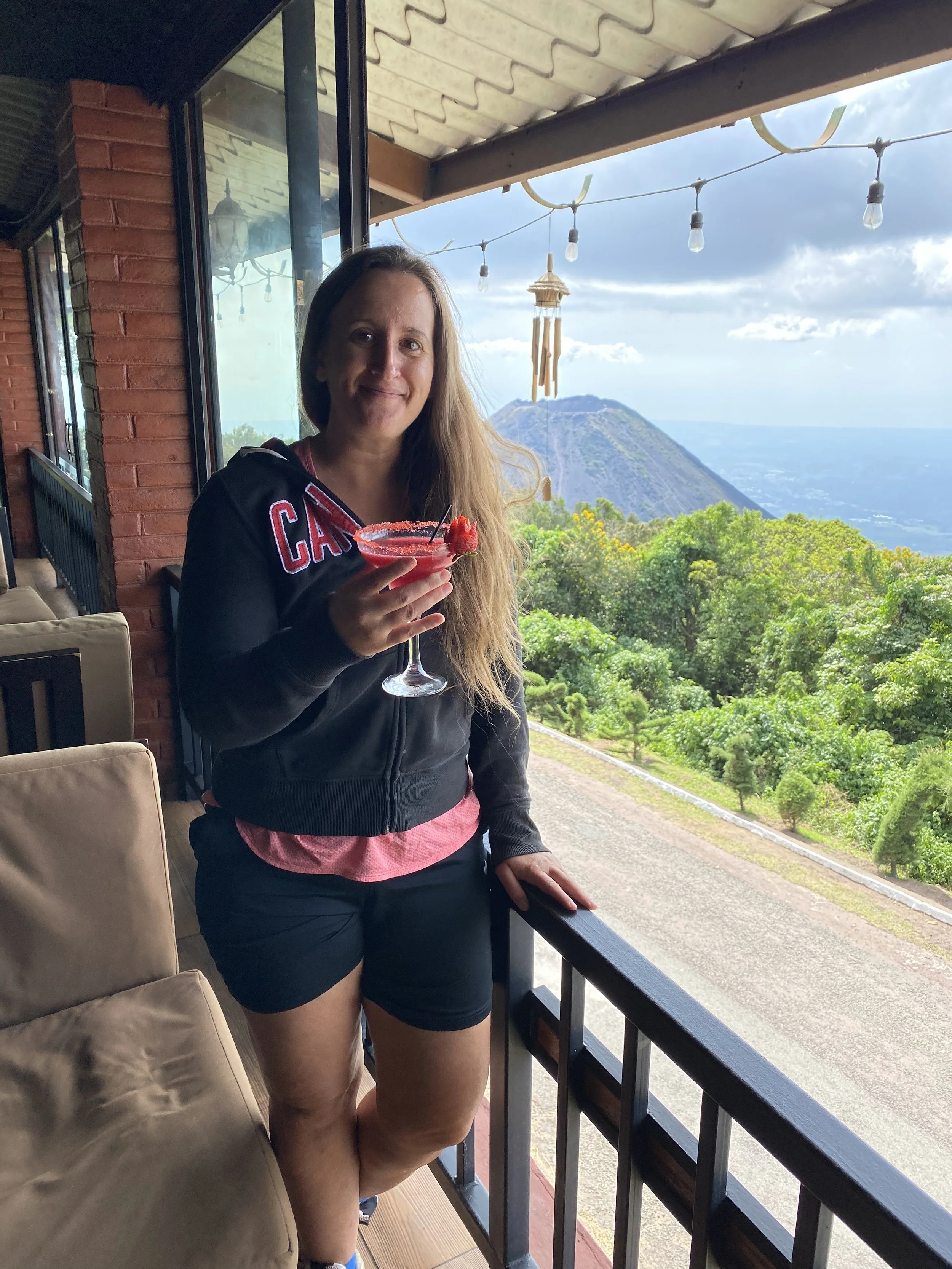
Traveling solo means you can pause anywhere — for me, it was a cocktail with a volcano backdrop.
🛬 Entry Requirements
Visa-Free Entry: Most travelers from North America, Europe, and many other countries can enter visa-free for up to 90 days under the CA-4 Agreement (El Salvador, Guatemala, Honduras, Nicaragua).
Tourist Card Fee: A $12 USD tourist card is issued on arrival — usually payable in cash.
Passport Validity: Your passport must be valid for at least 6 months from your date of entry.
Vaccinations: No mandatory vaccines, but Hepatitis A/B and Typhoid are commonly recommended for travelers.
Border Crossing Note: If traveling overland within the CA-4, your remaining days continue counting — the 90-day limit applies to the entire region, not each country.
💡 JD’s Tip: Keep your tourist card safe — you’ll need it when leaving El Salvador and when entering the other CA-4 countries.
⚠️ Disclaimer: Entry requirements may change based on your nationality and government policies. Always check official sources before you travel.
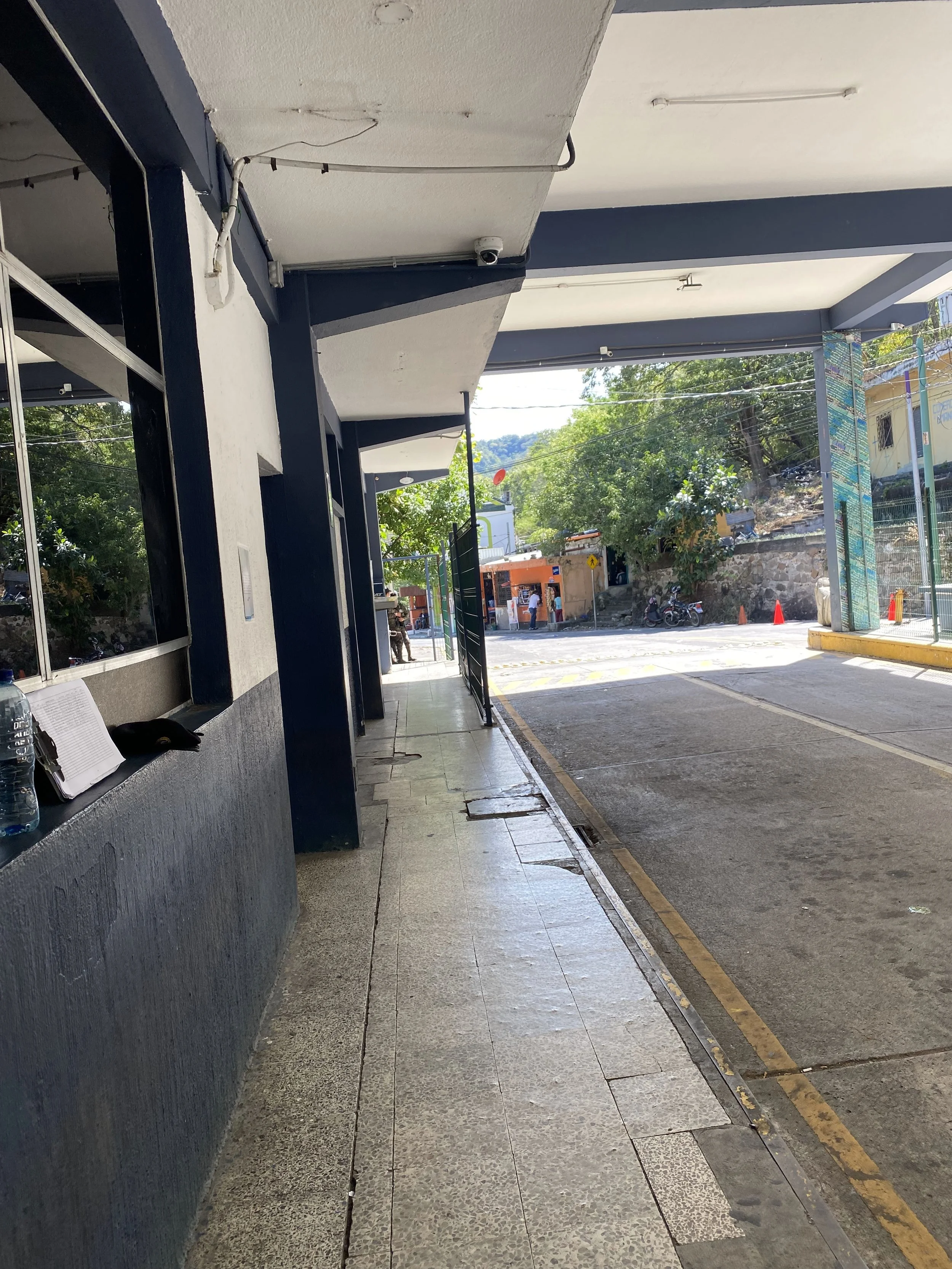
Borders can feel intimidating, but El Salvador’s entry process was straightforward.
🕰️Best Time to Visit
🌸 Dry Season (Nov–Apr) – Best weather for hiking volcanoes, exploring beaches, and enjoying outdoor markets. Sunny skies and lower humidity make it ideal for sightseeing.
🌧 Wet Season (May–Oct) – Mornings are usually clear, but expect heavy afternoon rains. Surfing conditions can be excellent, especially from May to September.
🎉 Festivals & Events –
Semana Santa (Holy Week) – Vibrant religious processions, especially in towns like Sonsonate and Izalco.
August Festivals (Fiestas Agostinas) – San Salvador’s biggest annual celebrations with parades, music, and food.
Independence Day (Sept 15) – Nationwide parades and cultural performances.
💡 JD’s Tip: Beach towns can get crowded on weekends and during local holidays — book accommodation early if visiting during peak times.
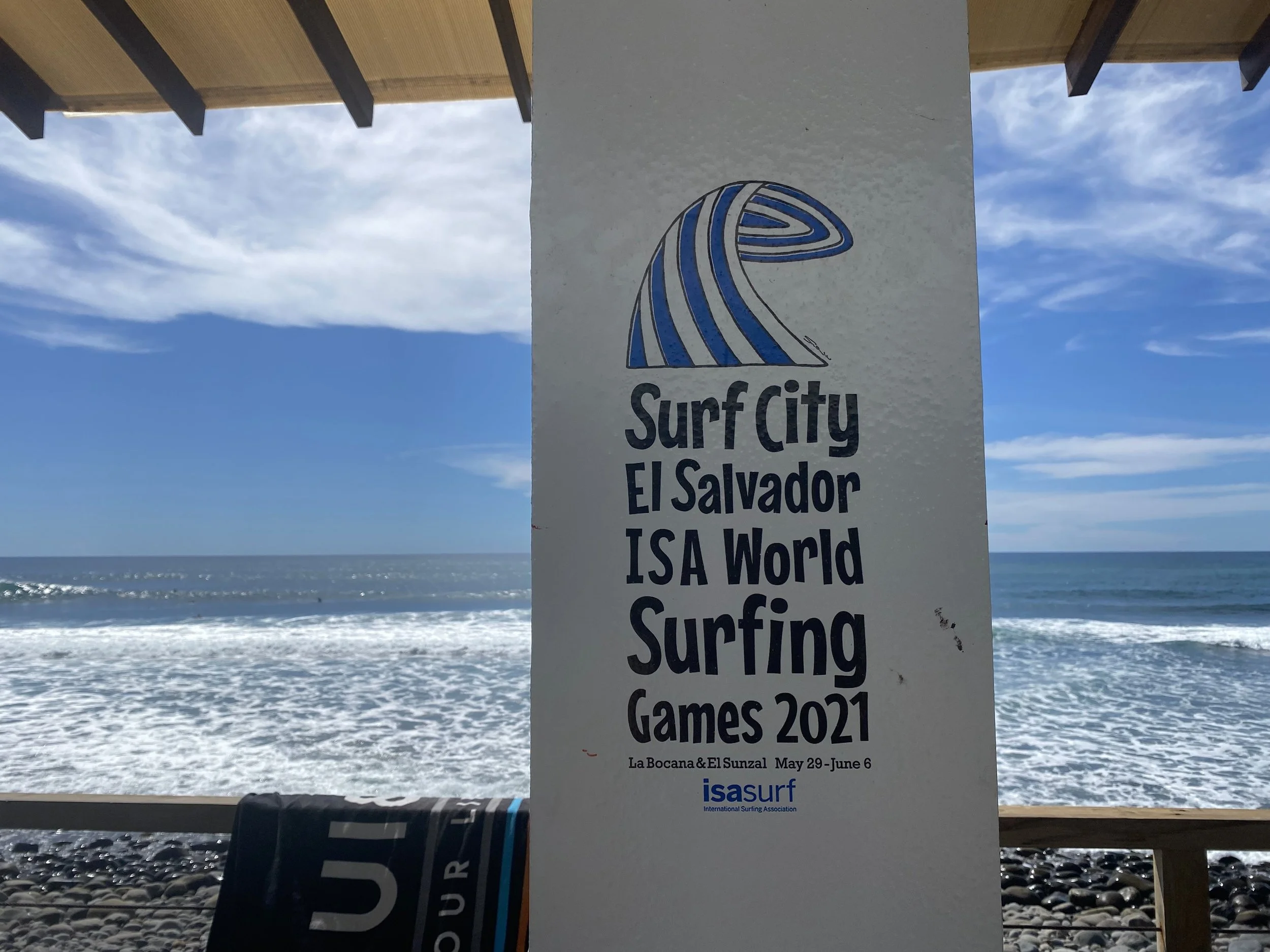
Catch waves and festivals — timing your trip right in El Salvador makes all the difference.
💰 Money & Currency: How to Pay in El Salvador
💵 Local Currency: United States Dollar (USD)
🪙 Additional Tender: Bitcoin is also legal tender, but not all businesses accept it — cash is still preferred in most places.
💳 Cards: Credit/debit cards are widely accepted in cities and larger towns, but small shops, food stalls, and local buses are often cash-only.
💵 Cash: Essential for markets, street food, rural areas, and transportation. Many places cannot break large bills.
🏧 ATMs: Easy to find in cities and tourist areas, but limited in rural regions — withdraw what you need before traveling inland.
🍽 Tipping: Not mandatory. Rounding up or leaving 10% in restaurants is appreciated if service isn’t already included.
💡 JD’s Tip: Always carry small bills ($1s, $5s, $10s). Many local spots won’t take $20s or higher — especially buses and market vendors.
⚠️Disclaimer: Exchange rates and payment norms can change. Check current information before you travel.
🏨 Where to Stay
Booking Tips:
📍 San Salvador: Look for accommodation in Zona Rosa or San Benito — safe neighborhoods close to cafés, museums, and restaurants.
🌋 Santa Ana: Stay near the city center for easy access to markets and the Santa Ana Volcano hike.
🏄 El Tunco / El Sunzal: Best for surf hostels, beach bars, and nightlife. El Sunzal is quieter; El Tunco is the party spot.
🏞️ Lago de Coatepeque: Lakeside hostels and guesthouses offer peaceful views — perfect for relaxing after hiking.
🌴 Playa Los Cóbanos: Great for snorkeling and diving, with quiet beachfront hotels and eco-lodges.
🌊 Palmarcito: A local, laid-back beach area with budget-friendly stays and a slow pace.
💡JD’s Tips:
Book early for weekends, especially in surf towns — locals travel to the coast too.
Smaller beach towns often close restaurants early, so plan dinners before sunset.
I booked everything through Booking.com — easy to compare prices and find local guesthouses.
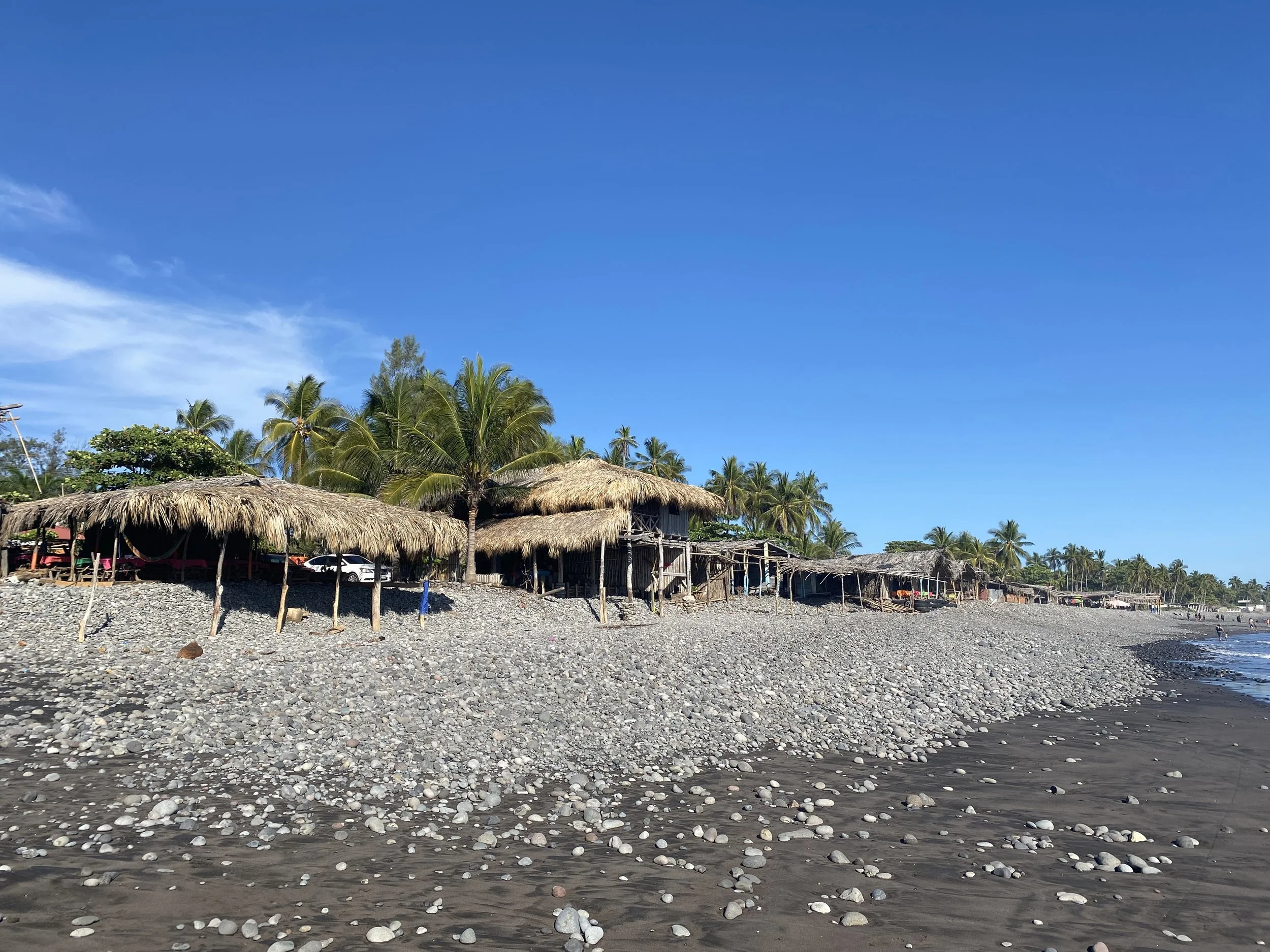
Waking up to waves and palm trees — budget-friendly bliss in El Salvador’s surf towns.
🍽 What to Eat
El Salvador’s cuisine is simple, hearty, and full of flavor — perfect after a day of surfing, hiking, or exploring.
Pupusas – Thick corn tortillas stuffed with cheese, beans, chicharrón, or a mix, served with curtido (pickled cabbage slaw) and salsa roja. You can find cheap pupusas almost everywhere — from street stalls to sit-down eateries.
Yuca frita – Fried cassava root, often served with curtido or crispy pork.
Mariscada – A rich seafood soup (great for seafood lovers).
Tamales – Corn dough filled with meat or vegetables, wrapped in banana leaves.
Atol de elote – Sweet corn drink served warm.
Street burgers & fries – Night markets are full of cheap eats — I once had a burger, fries, and drink for just $2.50.
💡 JD’s Tip: Don’t miss the night markets in Santa Ana for cheap, filling meals. Always ask about portion size — some plates are huge.
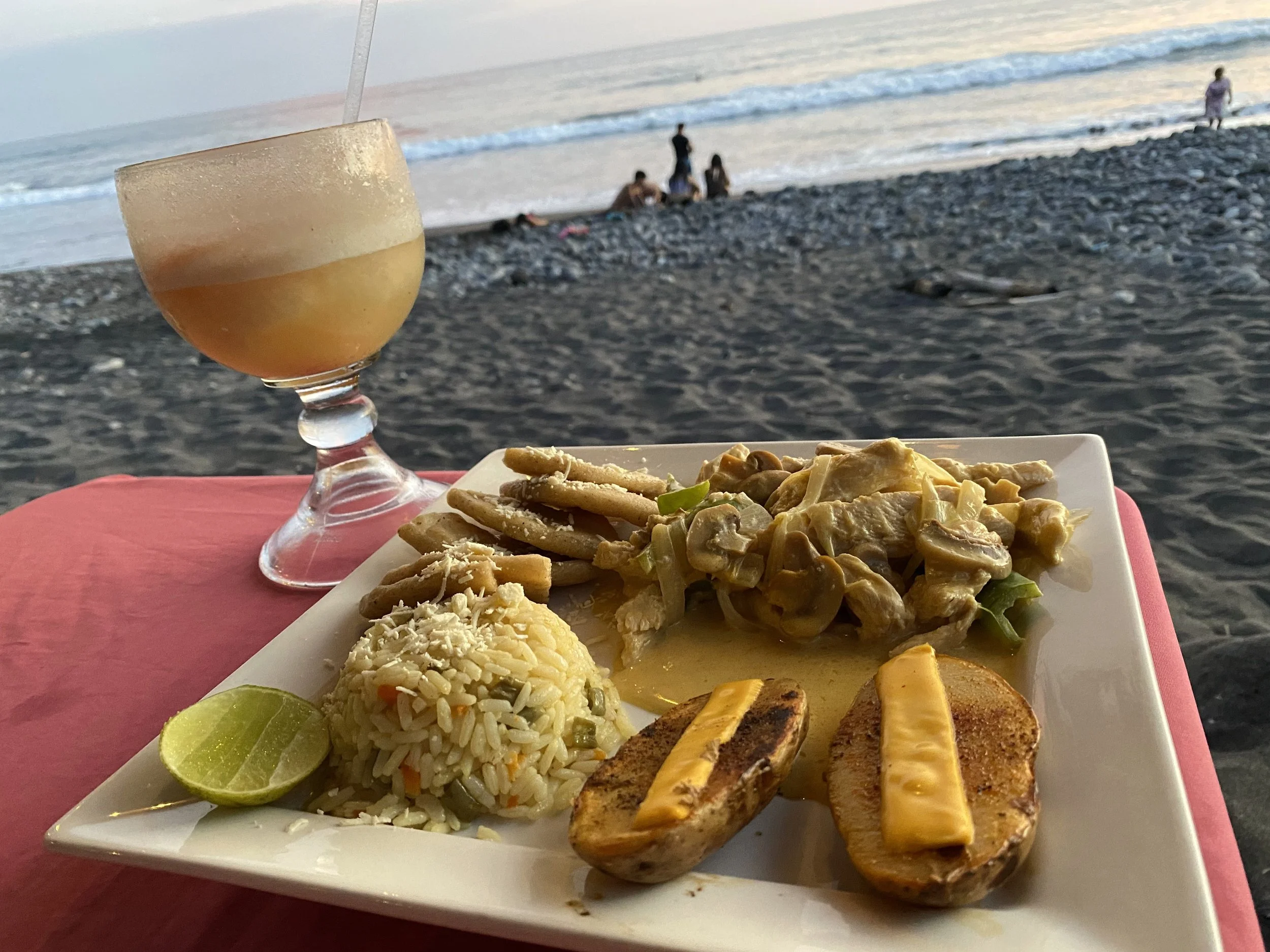
Beachfront meals in El Salvador taste even better with your toes in the sand.
🗺️ Itinerary
Best Stops for a 2–3 Week Trip (With Time Suggestions)
🏛️ Santa Ana – 2–3 days
Colonial charm, night markets, and access to one of the most famous volcano hikes in the country.
🕒 Give yourself a full day for the Santa Ana Volcano — go early, go with a guide, and bring water.
🌋 Lago de Coatepeque – 1 day (or overnight)
A stunning crater lake perfect for swimming, boating, and relaxing.
🕒 Visit on a clear day for the best views — the water glows bright blue when the sun hits just right.
🌸 Ruta de las Flores – 2 days
A colorful region of mountain villages, weekend food festivals, murals, coffee farms, and scenic viewpoints. Towns include Juayúa, Ataco, Nahuizalco, and Apaneca.
🕒 Best visited on weekends for food festivals — but weekdays offer quiet streets and easier photos.
🏄 Surf Coast (El Tunco, El Sunzal, El Zonte) – 3–4 days
The heart of El Salvador’s surf culture: waves, beach hostels, sunsets, and lively cafés.
🕒 El Tunco = nightlife, El Sunzal = longboard waves, El Zonte = calmer, artsy, and great for first-time surfers.
🐠 Los Cóbanos & Western Beaches – 2–3 days
A quieter coastline with coral reefs, snorkeling, diving, and peaceful beachfront stays.
🕒 Restaurants close early — plan dinners before sunset.
🌆 San Salvador – 2–3 days
Modern cafés, museums, botanical gardens, and the best base for many day trips.
🕒 Stay in San Benito or Zona Rosa for safety, food options, and easy transport.
🖼️ Suchitoto & Inland Villages – 1–2 days
Cobblestone streets, art galleries, lake views, and a slower pace — perfect for ending your trip.
🕒 A great final stop before flying out or heading toward Honduras.
💡 JD’s Tip: Transport in El Salvador is reliable but slow — give yourself buffer time between towns, especially along mountain routes like the Ruta de las Flores.
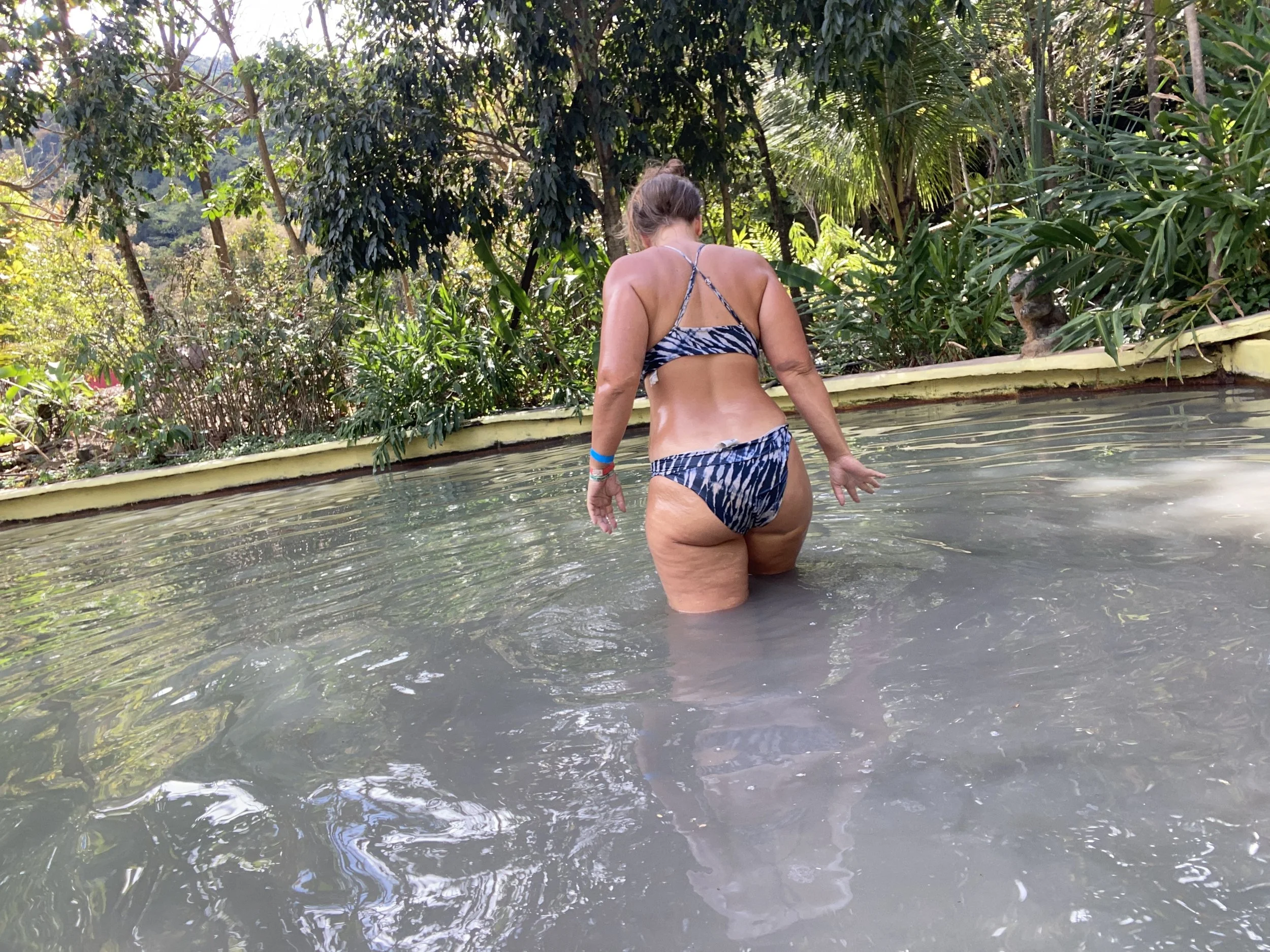
Tucked away near Ataco, the thermal springs are the perfect pause between volcano hikes and market days.
🚍 How to Get Around
🚐 Shuttles – The easiest and safest way to move between major tourist hubs; book through your hostel or hotel.
🚌 Local Buses – Very cheap, but routes can be confusing and slow; ideal for short hops like Santa Ana to the volcano.
🚖 Taxis & Ubers – Available in larger towns and San Salvador; reliable but can get expensive for long distances.
🚤 Boats – Used in coastal areas like Los Cóbanos for excursions or fishing trips.
🚶 Walking – Great for exploring towns and beaches, but avoid walking alone at night.
💡 JD’s Tip: There are no fixed schedules for many small shuttles or buses — do your research beforehand and be ready to wait. I wanted to explore other areas but found transport hard to arrange without booking a taxi or Uber.
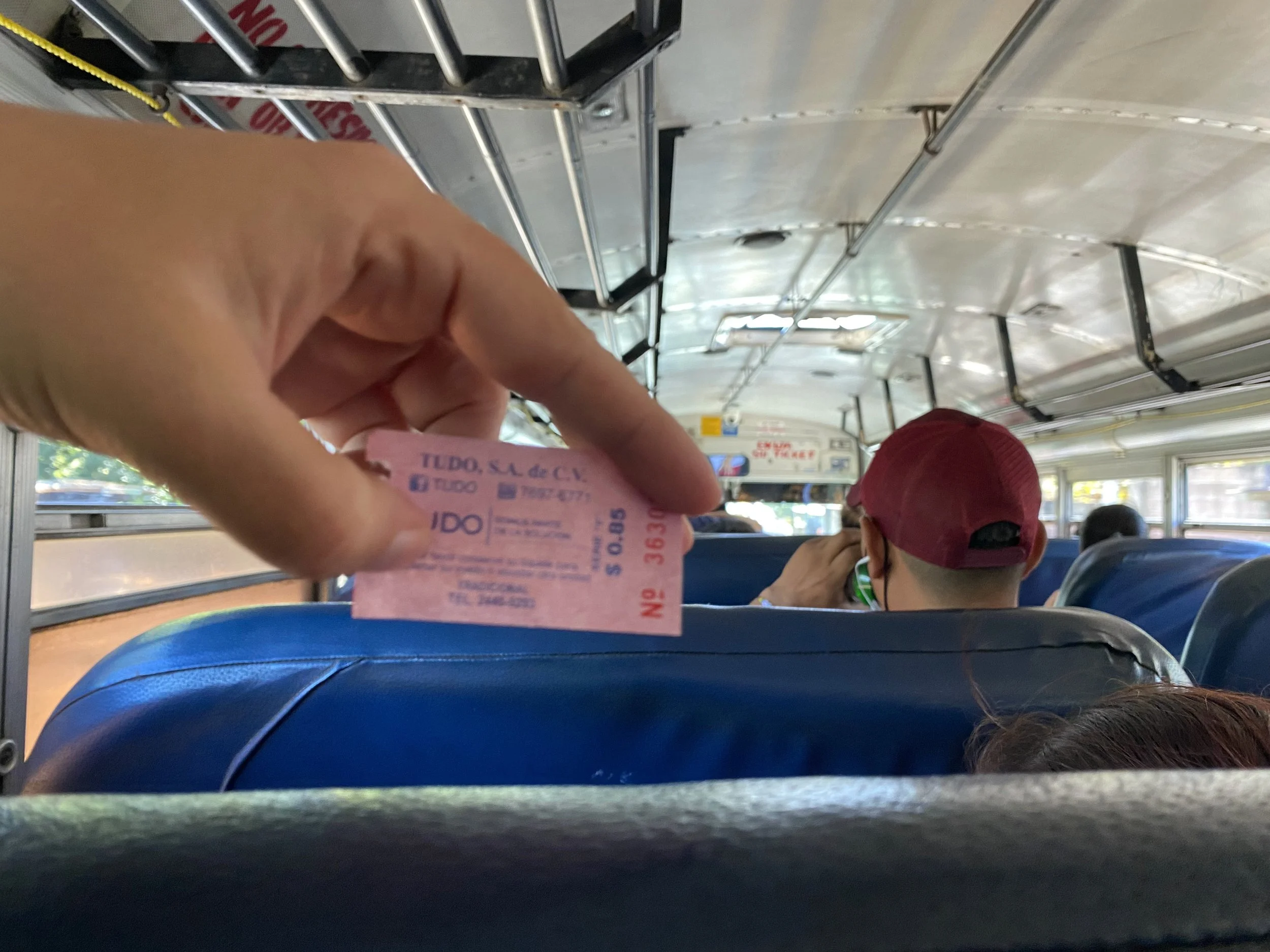
A ticket to ride: navigating El Salvador one bus at a time.
💸 Budget Breakdown / Day (in $USD)
Accommodation
Low: $8–15 — Hostel dorm beds
Mid: $20–40 — Private hostel room or budget hotel
High: $50–100+ — Boutique hotels, beachfront cabanas
Food
Low: $2–6 — Pupusas, night market meals
Mid: $8–15 — Local restaurants, cafés
High: $15–30 — Upscale dining or tourist-oriented beachfront spots
Transport
Low: $1–4 — Local buses (very cheap, but slow)
Mid: $5–15 — Mix of buses, shared shuttles, and occasional taxi/Uber
High: $20–50 — Private transfers, multiple taxi rides in a day
Activities & Tours
Low: Free–$5 — Beach days, walking around towns, botanical gardens
Mid: $10–30 — Volcano hike, thermal springs, surfboard rental
High: $40–100 — Surf lessons, guided day trips, private boat tours
💵 Daily Total Estimate
Low: $15–30
Mid: $40–100
High: $120–250+
💡 JD’s Tip: Surfing is one of the biggest draws to El Salvador — even if you don’t surf, watching the pros (especially during competitions) is a great way to spend an afternoon.
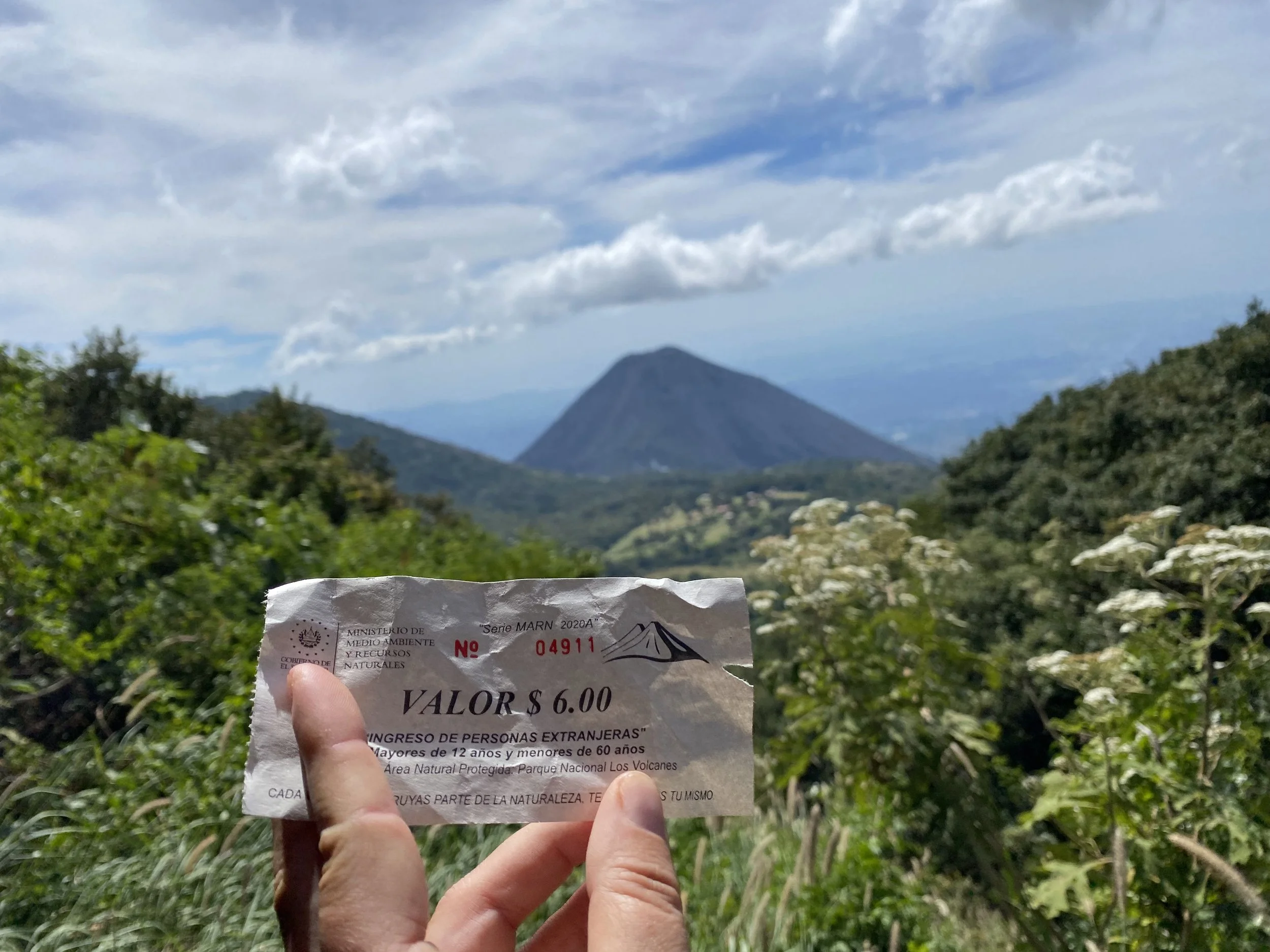
Climbing volcanoes doesn’t have to break the bank.
🛍️ Souvenirs to Buy
🍳 Pupusa Press (Comalito) – A fun and practical souvenir for making pupusas at home.
🧵 Handmade Textiles – Colorful woven hammocks, table runners, and scarves from towns like Ataco.
☕ Coffee Beans – El Salvador produces excellent coffee, especially from the Apaneca-Ilamatepec region.
🪵 Wood Carvings & Masks – Traditional wooden crafts, especially from La Palma.
📿 Artisan Jewelry – Made with volcanic stones, seeds, or silver.
🍫 Local Chocolate – Often sold in blocks or small artisanal packages.
💡 JD’s Tip: Support small markets and co-ops when buying souvenirs — they often have better prices and your money goes directly to local families.
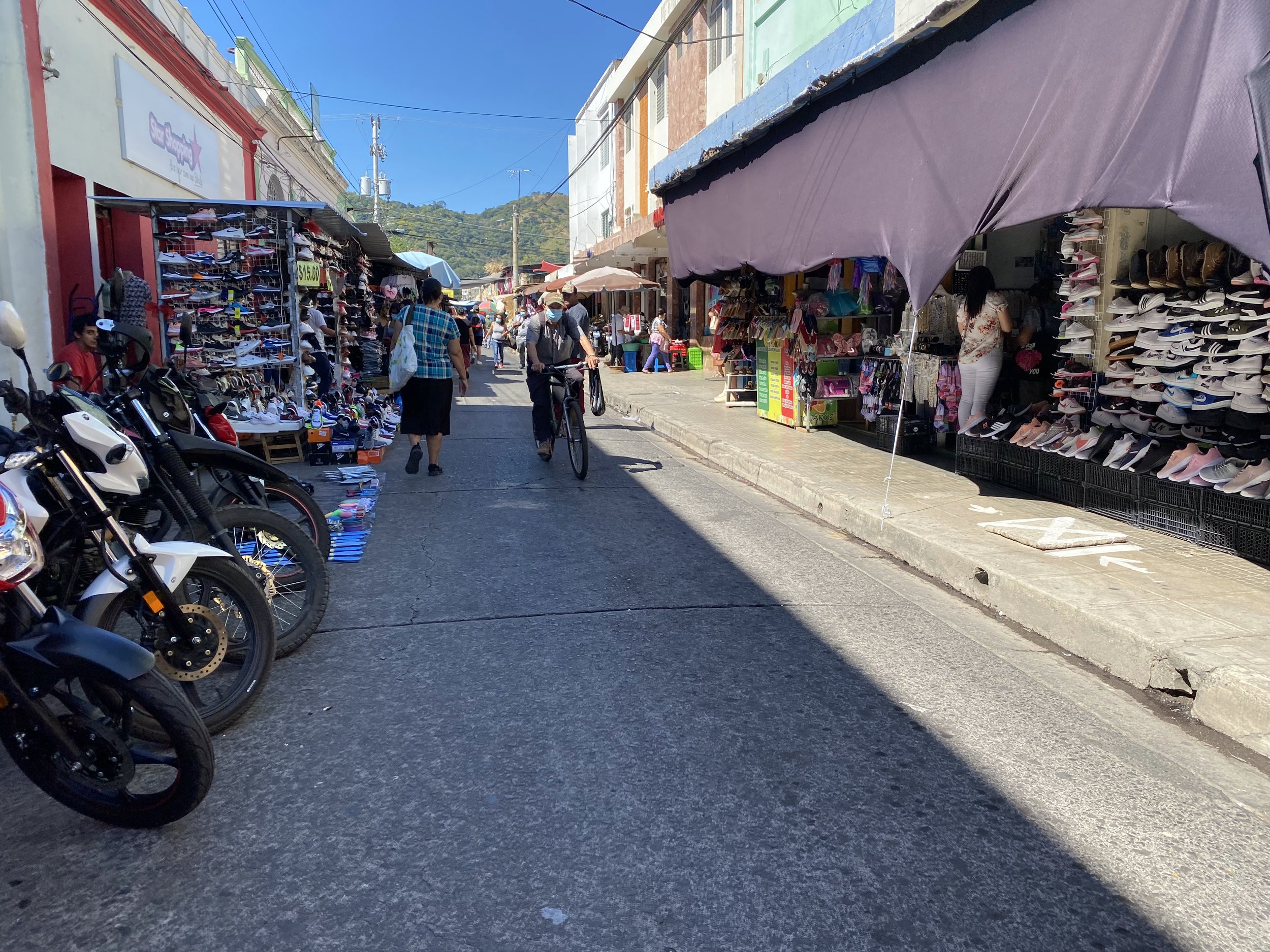
From hammocks to handmade jewelry — if you can dream it, you’ll find it in a Salvadoran market.
📝 Other Tips from JD
🚍 Shuttles vs. Buses: Shuttles are more reliable, but local buses are much cheaper. On some routes from San Salvador to the coast, buses may charge double if you’re carrying a large backpack.
🌙 Safety First: Never travel alone at night — stick to well-lit areas and travel with others when possible.
🕒 Timing is Flexible: Expect longer travel times than quoted. Always add extra hours to your journey.
🎶 Local Vibes: Salvadorans love loud music — don’t be surprised if your bus driver blasts reggaeton the whole ride.
🏄 Surf Culture: Even if you don’t surf, hang out in surf towns like El Tunco for great nightlife and international vibes.
🍽 Eat Early: In non-touristy areas, food stalls and small restaurants often close when the sun goes down — plan your dinner before dark.
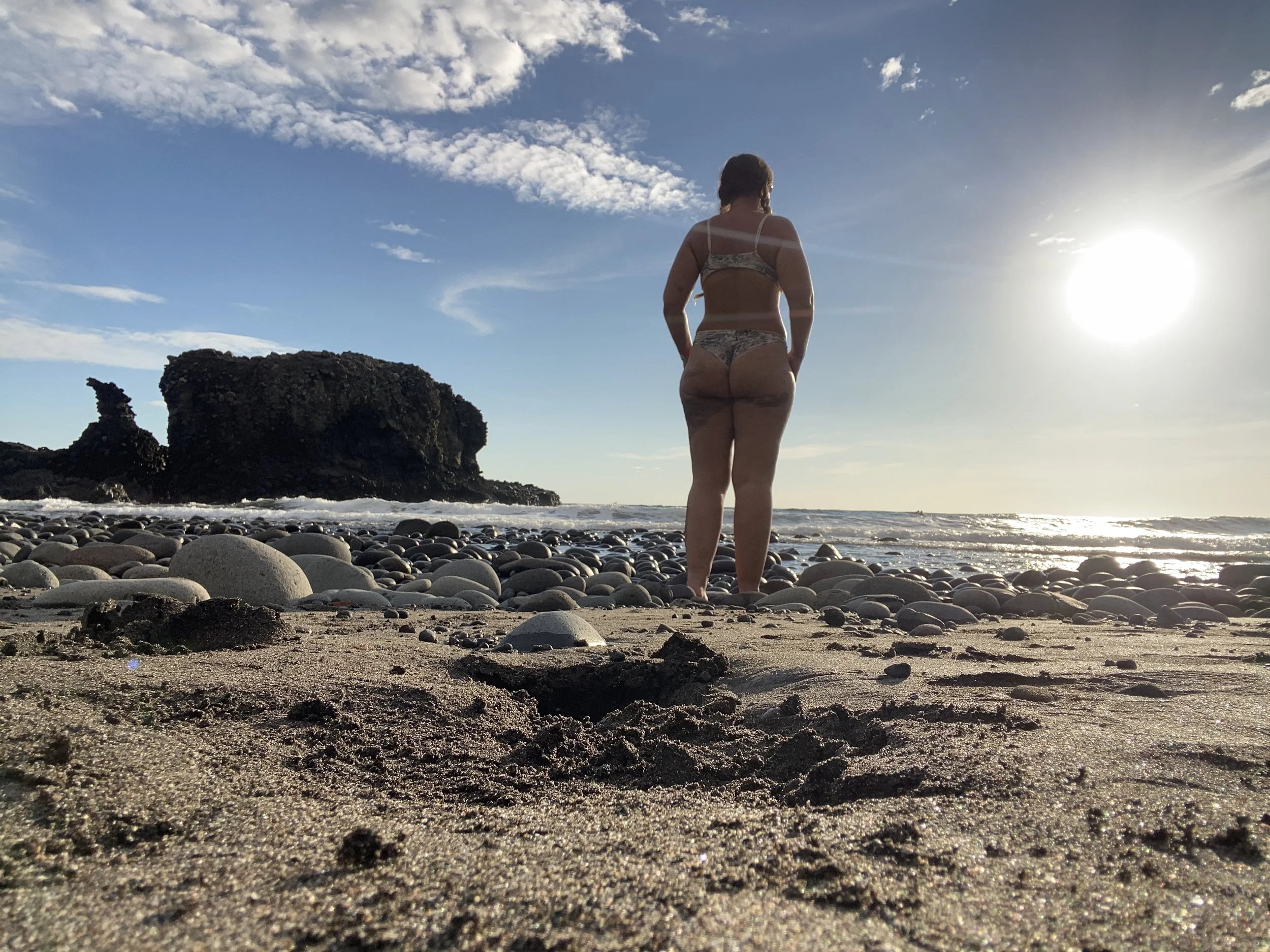
Rocky shores, golden sunsets, and a front-row seat to El Salvador’s surf culture.
🚶♀️ Solo & Cultural Tips
🙋 Friendly Locals: Salvadorans are welcoming and curious. Don’t be surprised if people strike up conversations.
💃 Dancing Everywhere: Music and dance are a big part of the culture — locals love to dance, especially at night markets or clubs.
🎶 Loud Music: Whether on buses, in hostels, or at the beach — expect music playing somewhere almost all the time.
🚫 Stay Alert: Avoid walking alone at night. Use taxis, Ubers, or shuttles instead.
🛍 Markets: Street markets are lively and full of bargains, but keep an eye on your belongings.
🤝 Respectful Gestures: A smile and polite “buenas” (hello/good day) go a long way.
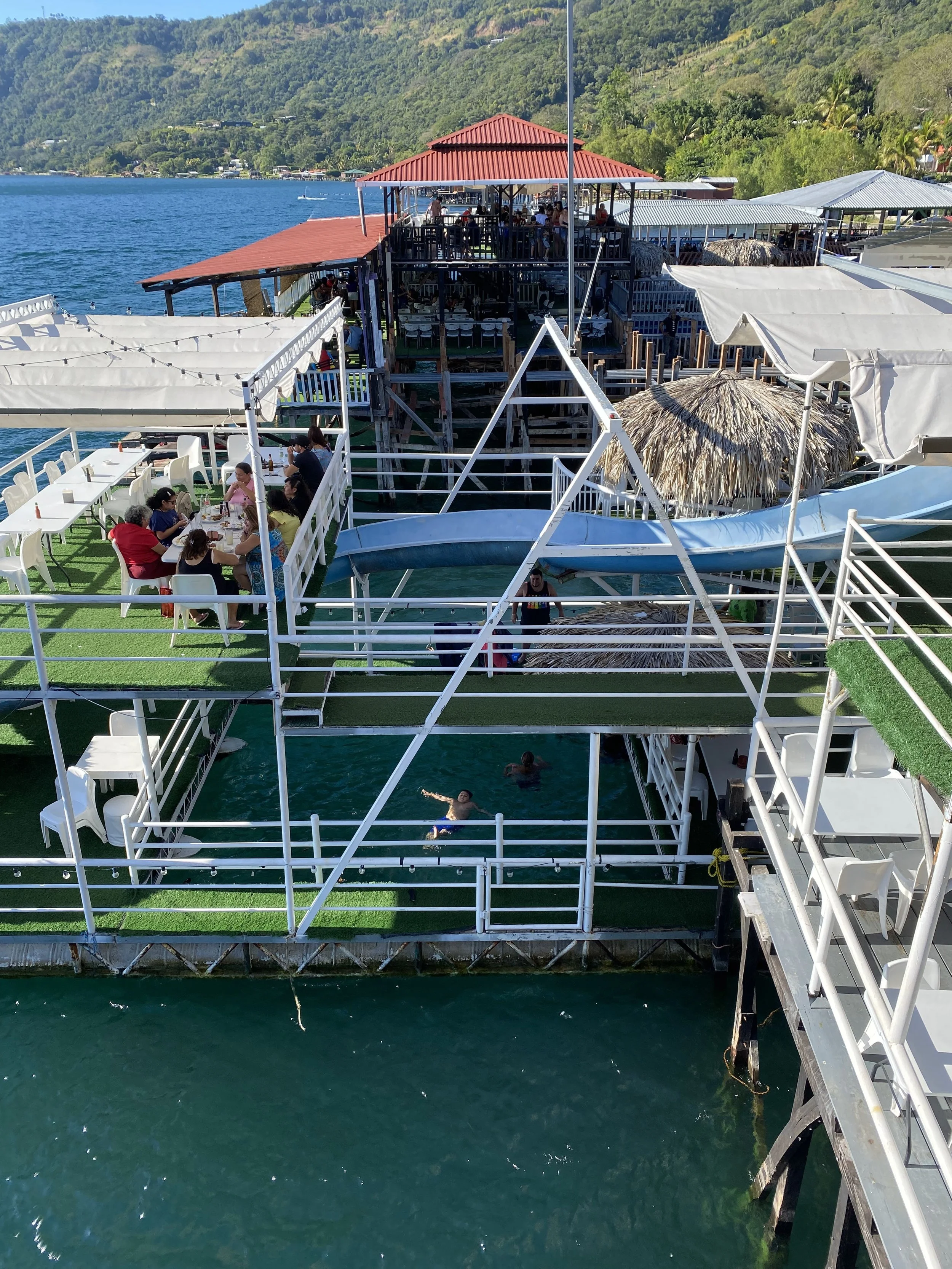
Floating restaurants here are all about atmosphere: expect loud music, cold drinks, and a lively crowd soaking up the lake vibes.
🗣️ Speak a Little… Spanish
Hola — Hello — OH-lah
Buenos días — Good morning — BWEH-nos DEE-ahs
Buenas tardes — Good afternoon — BWEH-nas TAR-des
Buenas noches — Good evening/night — BWEH-nas NOH-ches
Gracias — Thank you — GRAH-syahs
Por favor — Please — por fah-VOR
¿Cuánto cuesta? — How much does it cost? — CWAN-toh KWEHS-tah
La cuenta, por favor — The bill, please — lah CWEN-tah, por fah-VOR
¿Dónde está…? — Where is…? — DON-deh es-TAH…
Baño — Bathroom — BAH-nyo
Agua — Water — AH-gwah
💡 JD’s Tip: Salvadorans appreciate even small efforts to speak Spanish. It can also help when bargaining at markets or ordering pupusas!
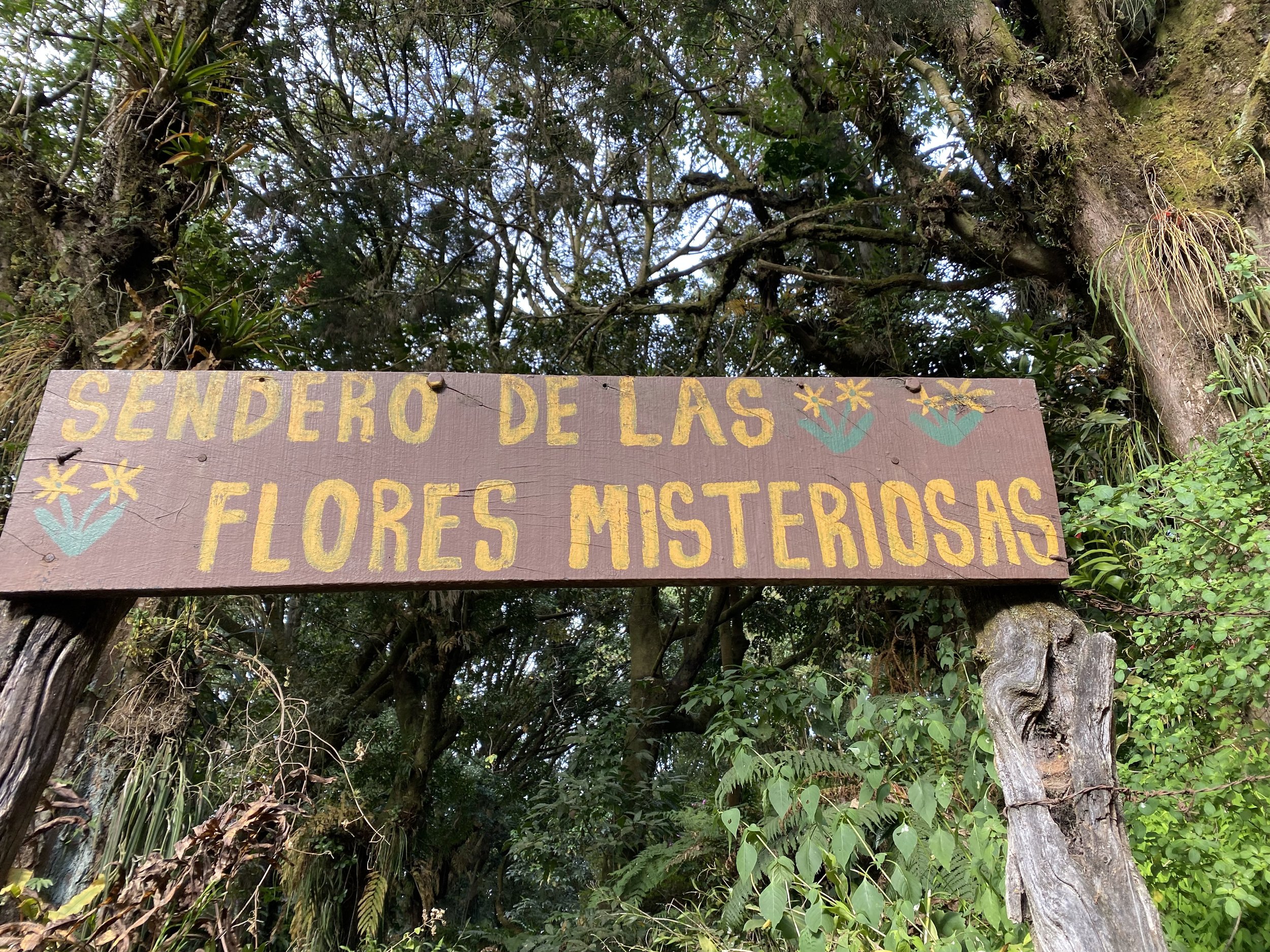
On the Ruta de las Flores: practice your Spanish while discovering hidden gems.
