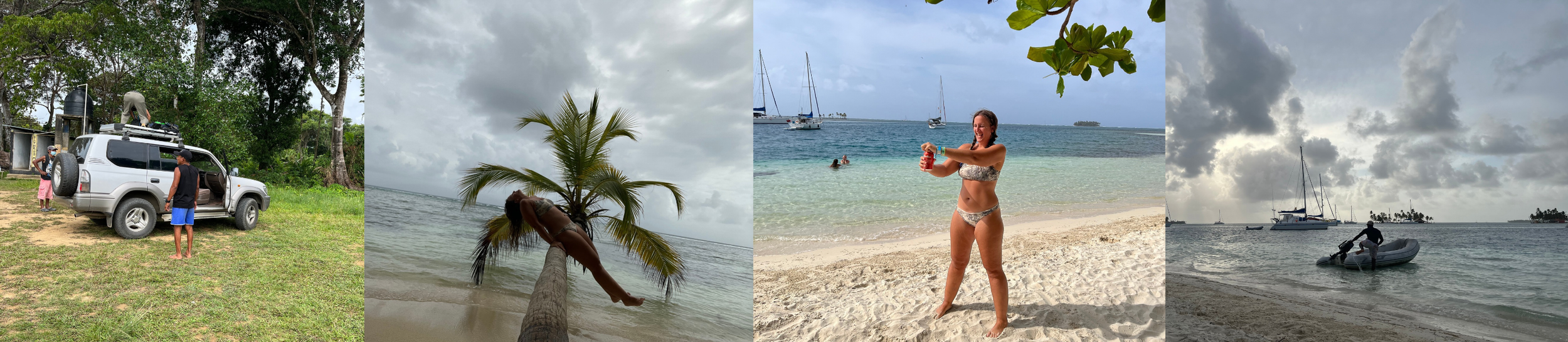
Finding Another Way Around the Darién Gap
Before arriving in Panama, I had never heard of the San Blas Islands.
I first noticed them on posters hanging around my hostel. Most advertised day trips to tiny Caribbean islands covered in white sand and palm trees. At that point, I didn’t realize they would become part of my journey into Colombia.
I had already travelled through every country in Central America, mostly using buses and local transportation. I assumed I would eventually find another bus to carry me across the border.
Then I learned about the Darién Gap.
There is no road connecting Panama and Colombia through this remote stretch of jungle. Continuing overland wasn’t a practical option, which left me with two realistic choices: fly to Colombia or travel there by boat.
Flying would have been the straightforward option.
Naturally, I became interested in the boat.
The sailing trips didn’t simply transport passengers between two countries. They spent several days exploring the San Blas Islands before crossing the open Caribbean Sea and arriving in Cartagena.
It sounded like a once-in-a-lifetime experience—and came with a once-in-a-lifetime price.
I called my mom and explained what I had found. With one phone call, she told me to go for it and offered to make the sailing trip my Christmas present.
Suddenly, I was going to sail from Panama to Colombia. Actually securing a place aboard a boat wasn’t quite as simple.
I contacted Blue Sailing, but the available departures were filling quickly. One trip they offered explored the San Blas Islands but returned to Panama, which didn’t help me reach Colombia. Another departure was already full.
The best remaining option was a four-day trip aboard a sailboat called Nacar 2. The only space left was in a private double cabin costing $650 USD. Because I was travelling alone, I would have to share the bed with another female passenger I had never met.
After months of sleeping in hostel dorms, sharing a bed with a stranger somehow didn’t seem like the strangest part of this plan.
To reserve my space, I sent Blue Sailing a photograph of my passport, proof of vaccination and a $50 USD deposit.
I returned to Panama City with two days to prepare. I still needed to buy a new iPhone, organize my belongings and make sure I had everything required for four days aboard a small sailboat.
Then I would leave Panama—and Central America—by sea.
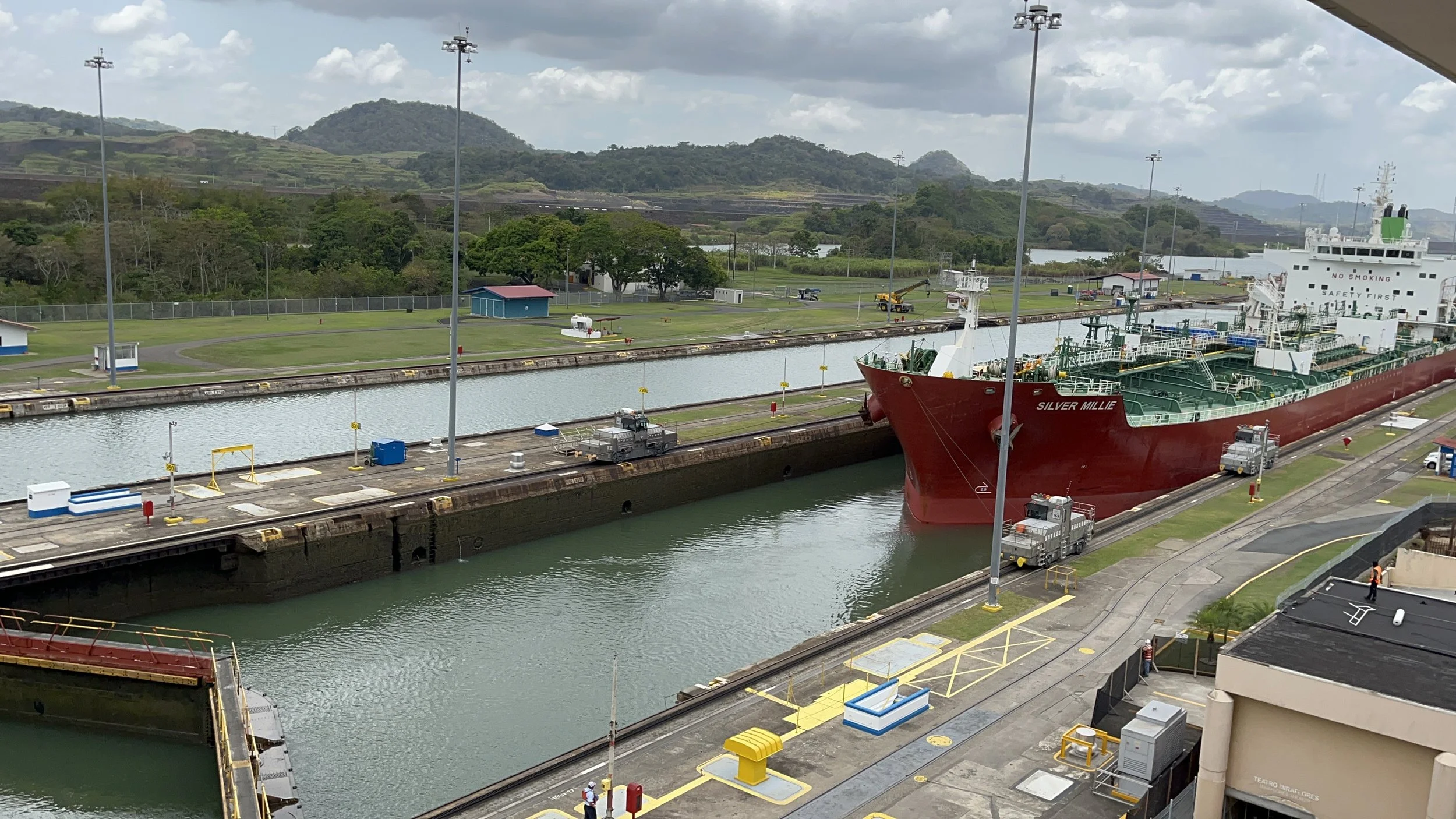
I spent my final day in Panama City watching ships pass through the Panama Canal. The following morning, it would be my turn to leave Panama by water.
The Complicated Journey to Nacar 2
The sailing package covered four days aboard Nacar 2, our meals, snacks, water, juice and the use of snorkelling equipment.
Getting to the sailboat was a separate adventure—and an additional expense.
Blue Sailing arranged transportation from my accommodation in Panama City because the road to Porvenir required a specially licensed driver. A jeep collected me early in the morning, sometime between 5:00 and 6:00 a.m., along with other passengers heading toward the boat.
As we drove away from the city, we passed Gatún Lake and the Panama Canal. I had visited the locks the day before, but this gave me one final look before leaving the country.
Goodbye, Panama Canal.
The drive took us north toward the Caribbean coast, where we eventually reached a small dock. Nacar 2 couldn’t come directly to shore because the sailboat needed to remain in deeper water. To reach it, we would have to transfer into a much smaller boat.
Before anyone climbed aboard, the staff dealt with our luggage. The large backpacks would be stored below deck and inaccessible until Cartagena. Because they could get wet during the transfer, each bag was wrapped inside a large garbage bag.
I had already placed many of my belongings inside separate plastic bags for extra protection. After losing my phone to the ocean in Santa Catalina, I had become slightly less trusting of water around my electronics.
Anything valuable, fragile or needed during the crossing remained in my smaller bag—even though I would spend most of the trip wearing a bathing suit.
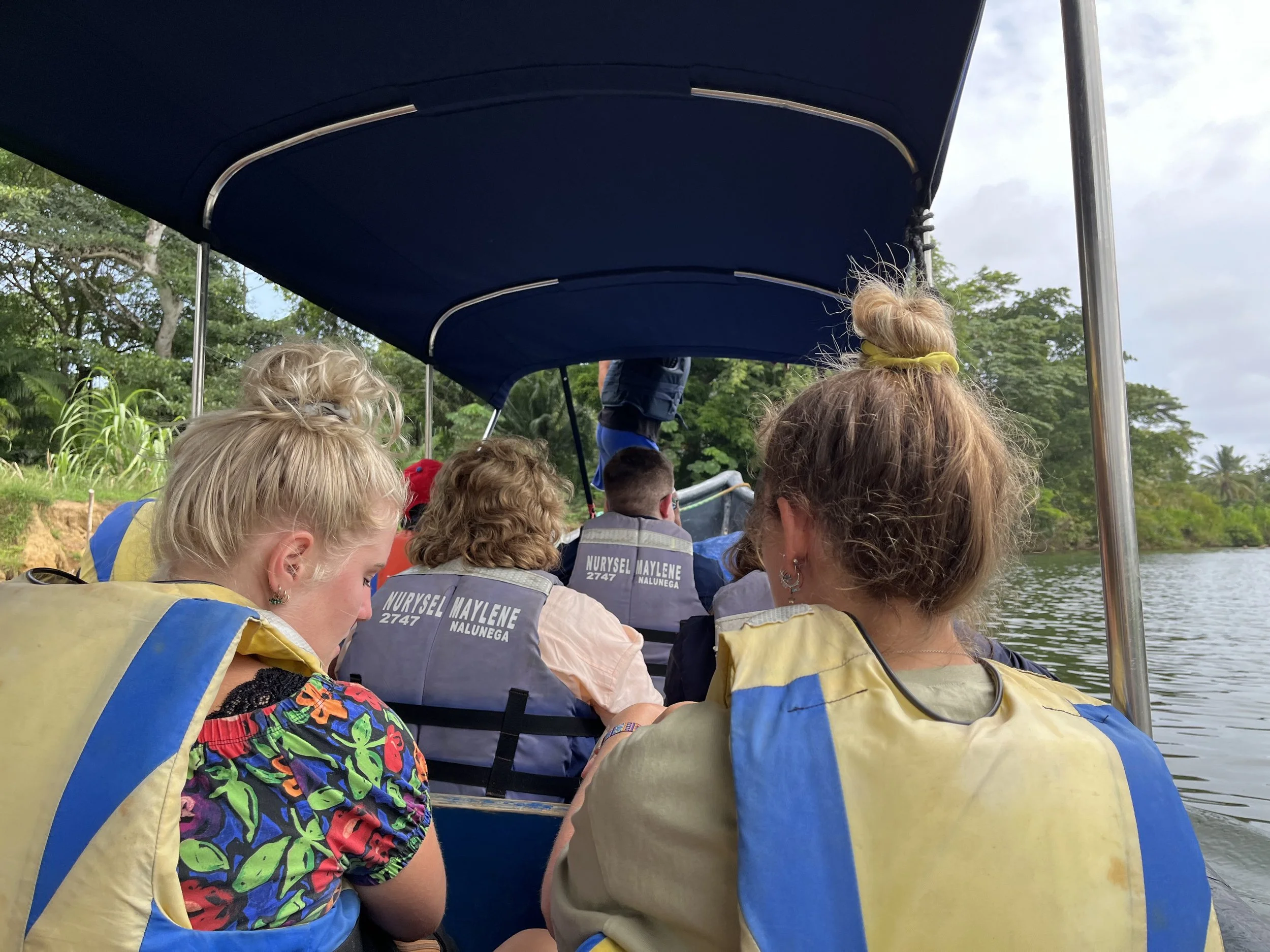
Once the luggage was protected and loaded, we climbed into the small speedboat that would carry us to Nacar 2. Between the jeep and boat transfer, reaching the sailboat cost approximately $40 to $50 USD on top of the sailing package.
Eventually, Nacar 2 appeared ahead of us.
The sailboat would be home to a family of four, three friends travelling together, another solo passenger and me. Space was limited, so sleeping arrangements depended on group size.
The other solo woman and I were assigned the private double cabin.
“Private” sounded luxurious until I saw how little room there was and remembered that we would be sharing the same bed.
I requested the outside position because I regularly wake up during the night to use the bathroom. Fortunately, she agreed and we got along well.
Life aboard Nacar 2 was basic. There wasn’t enough fresh water for showers, personal space was limited and most of our time would be spent outside on deck. At least we could charge our electronics.
A female crew member prepared our meals, and the food turned out to be excellent. Water and juice were included, but alcohol wasn’t.
Naturally, I had brought rum.
With everyone aboard, our backpacks hidden below deck and Panama disappearing behind us, Nacar 2 began sailing toward the San Blas Islands.
Snorkelling to Shore in the San Blas Islands
From what I remember, we visited two islands during our first day aboard Nacar 2.
After the early drive from Panama City, the speedboat transfer and the process of settling into our tiny sleeping spaces, I was happy simply to be outside in the sunshine. The water surrounding us was clear and blue, and small islands appeared in the distance like something from a Caribbean postcard.
When we reached our first island, the crew gave us two choices: take the small boat to shore or swim there using the snorkelling equipment provided aboard Nacar 2.
Most of the younger passengers chose to snorkel.
The island didn’t look particularly far away from the sailboat. Surely swimming there would be easy.
It was not as easy as it looked.
Distances across open water are deceptive, and snorkelling to shore required considerably more effort than I had expected. With my face in the water and the island slowly growing closer, I began wondering why I hadn’t accepted the perfectly reasonable boat ride.
Still, the swim was worth it.
Once I reached shore, I began exploring. While some passengers relaxed near the water, I wandered around the island, taking photographs and investigating anything that caught my attention.
I wanted the beautiful tropical pictures, but I also wanted the ridiculous ones. If there was a leaning palm tree available, I was going to attempt to climb it.
I don’t even like coconut, but I was fascinated by the different stages of growth scattered around the island. After living and travelling throughout Asia and other tropical parts of the world, I had seen countless fully grown coconut palms. I had never noticed a coconut beginning to sprout or the young saplings that eventually become those towering trees. Seeing the entire process happening naturally along the shore was unexpectedly interesting.
Unfortunately, the beaches revealed another side of island life.
Some of the uninhabited shores were covered in rubbish that had washed in with the currents. Plastic containers and other debris were scattered across places that otherwise looked untouched.
The contrast was difficult to ignore. I was standing on a remote Caribbean island surrounded by clear water and palm trees, yet it wasn’t protected from pollution travelling through the ocean.
I continued exploring throughout the day, moving between beaches, swimming and spending as much time outside as possible. Back aboard Nacar 2, the crew prepared dinner while we relaxed on deck and got to know one another.
I was sailing through islands I hadn’t even known existed before arriving in Panama. Nothing about the basic accommodation mattered very much.
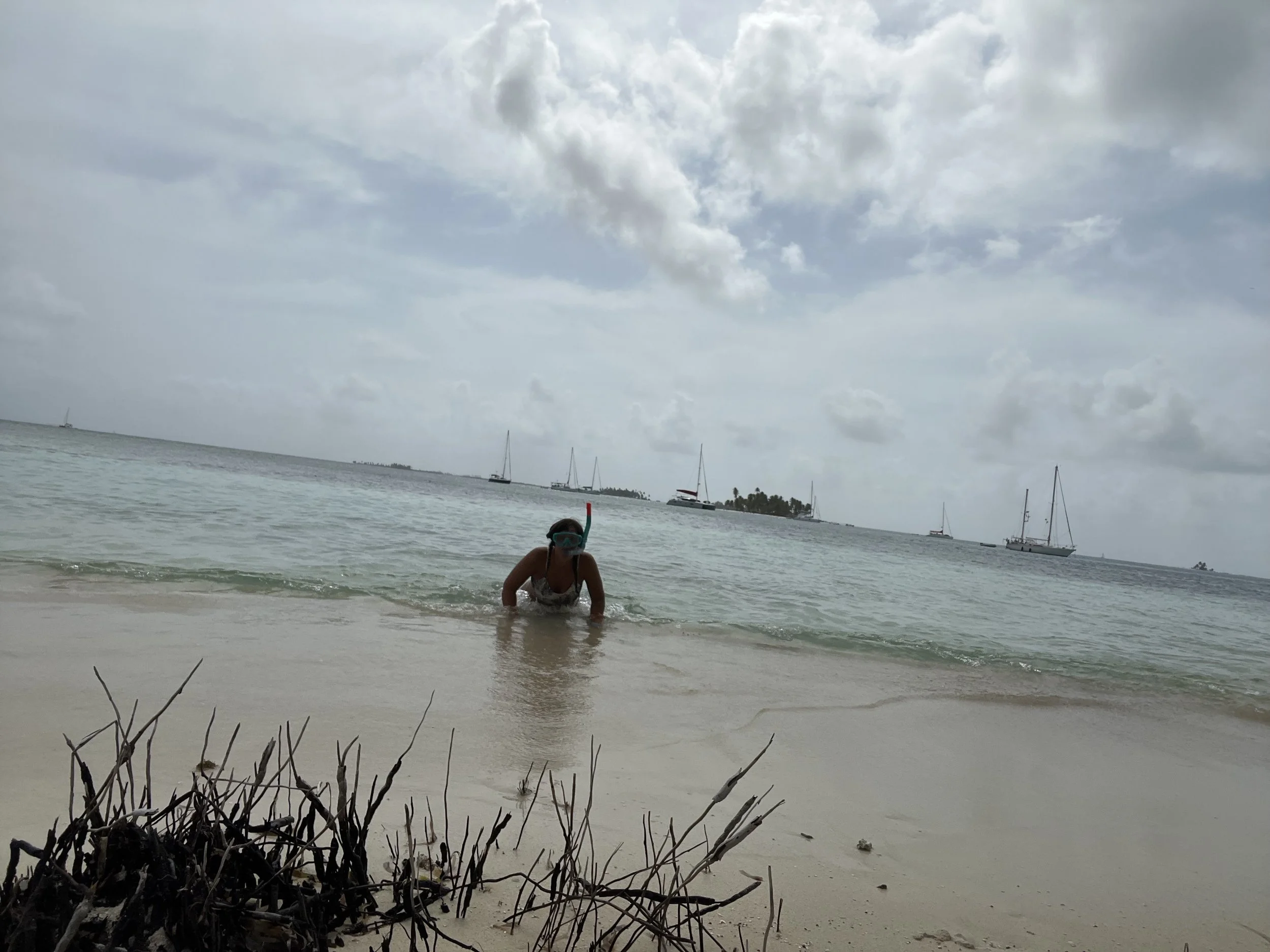
The island hadn’t looked very far from Nacar 2. By the time I finally reached the beach, I had a much better understanding of how deceptive distances can be across open water.
A Pet Monkey, Island Beer and a Campfire
The following day, Nacar 2 carried us to three more islands.
By our second day, life aboard the sailboat had developed an easy rhythm. I relaxed on deck while we moved between islands, then went ashore to swim, snorkel or explore whenever we anchored somewhere new.
Although we travelled between the islands as a group, I usually wandered off by myself once we reached land.
I wanted to see what was beyond the section of beach where everyone had gathered. With my camera in hand, I followed the shoreline, wandered toward whatever looked interesting and took approximately a million photographs. Being on an almost uninhabited island made me feel like an explorer.
One of the islands was home to a local family, and Nacar 2 had brought supplies for them.
While many of the islands we visited appeared uninhabited, others were home to families and communities living far from mainland Panama.
I also learned that the man living there had a monkey.
Naturally, I wanted to find it.
The monkey was essentially a pet and somewhere on the island, so I looked around until I eventually spotted it. I had travelled across Central America for months and seen plenty of wildlife, but finding someone’s pet monkey on a tiny Caribbean island was a new experience.
Our third island of the day had something else waiting for us: a volleyball court and cold beer.
I had brought rum aboard Nacar 2, but alcohol wasn’t included in the sailing package. Whenever beer was available on one of the islands, I could purchase it separately.
After swimming, exploring and photographing everything I could find, buying a cold beer on a remote island seemed like an excellent use of my travel budget.
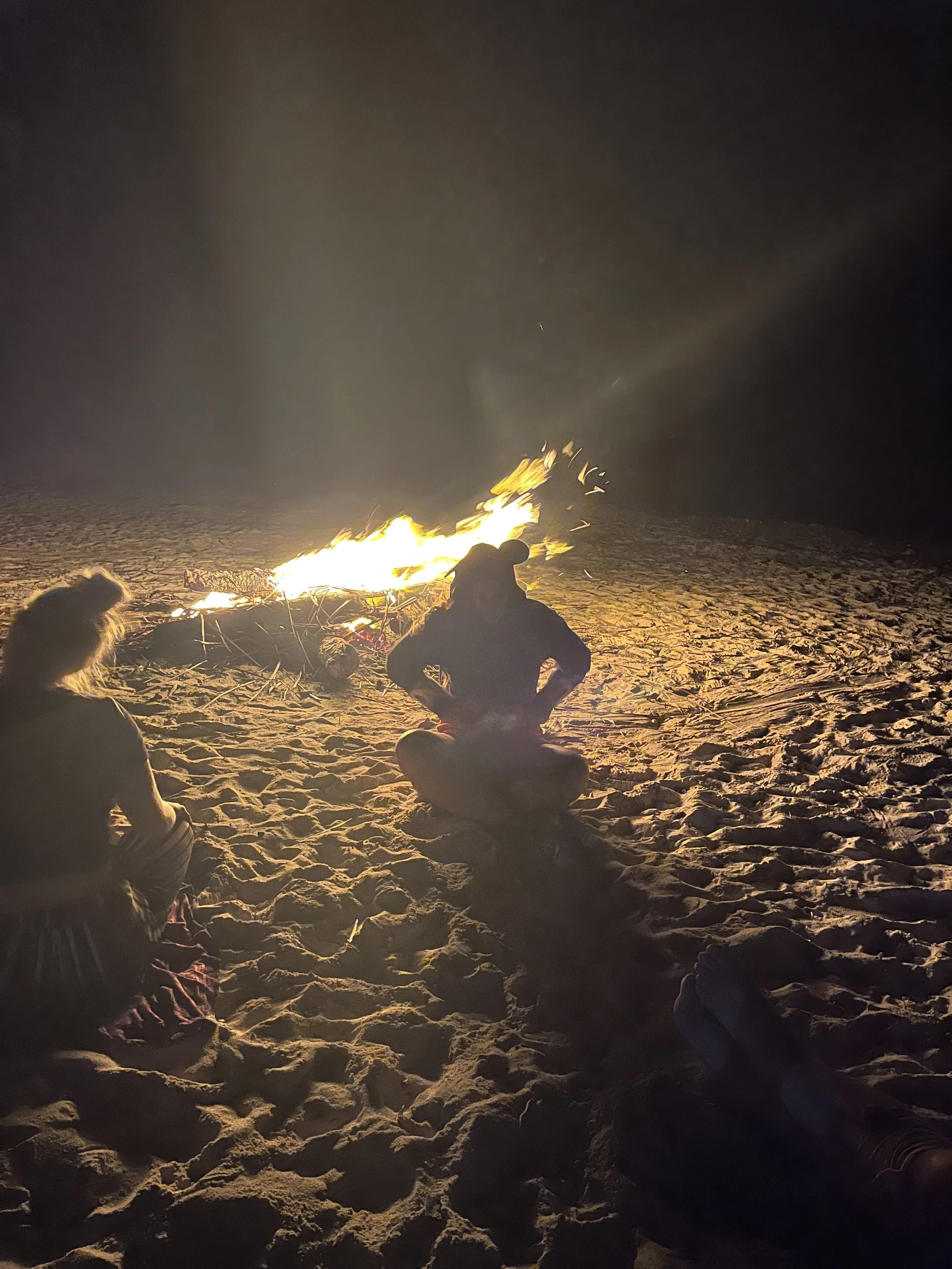
As evening approached, I rejoined the others around a campfire.
It was a simple end to the day: a small group of travellers sitting together on an island, surrounded by darkness and the sound of the Caribbean. Only a few days earlier, I hadn’t known this journey existed. Now I was drinking beer beside a campfire in the San Blas Islands while my transportation to another continent waited offshore.
The relaxed island portion of our trip was almost over.
The crew explained that the following morning, Nacar 2 would leave the protected waters around the islands and begin crossing the open sea toward Colombia. They couldn’t predict exactly what conditions we would encounter, so if anything happened, we needed to remain calm and follow their instructions.
I had previously worked aboard fishing boats, so I wasn’t particularly worried about rough water.
That confidence would not last very long.
Twenty-Four Hours Seasick in Bed
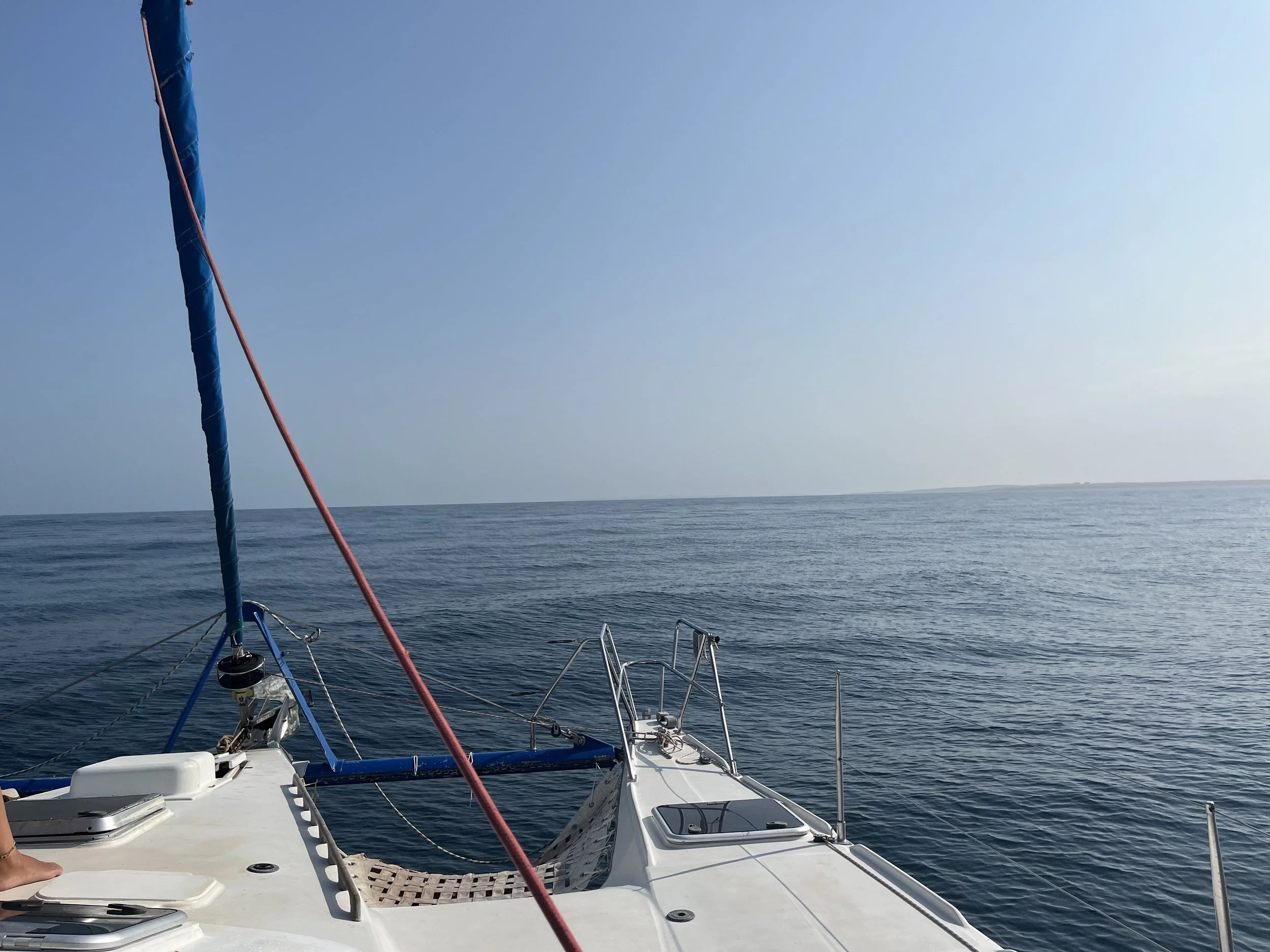
The following morning, Nacar 2 left the sheltered waters surrounding the San Blas Islands and began the open-sea crossing toward Colombia.
There were no more islands to explore—only the sailboat and a seemingly endless stretch of Caribbean water.
The weather wasn’t unusually severe, especially compared with conditions I had experienced while working aboard fishing boats. However, Nacar 2 was a much smaller vessel, and its constant movement quickly began affecting me.
I became nauseated and retreated to the cabin.
Sharing such a small sleeping space had seemed like a potential problem when I boarded. Now I was grateful to have a bed where I could close my eyes and wait for the movement to stop bothering me.
It didn’t stop.
I spent close to 24 hours in bed, sleeping through most of the open-water crossing. I wasn’t violently ill, but every attempt to remain awake made me more aware of the sailboat rocking beneath me. The easiest solution was to keep my eyes closed.
While everyone else continued eating, talking and spending time on deck, I disappeared below. The crew member who had been preparing our excellent meals could have served anything during that part of the trip, and I probably wouldn’t have known.
I had imagined sitting on deck and watching the horizon as we crossed into another country. Instead, I spent most of it unconscious in a tiny shared bed.
Life aboard continued around me. The captain slept during part of the night while another crew member remained awake to navigate and monitor the boat. Knowing that someone was always watching our course made it easier to remain below and let my body handle the journey in its own way.
Eventually, as Nacar 2 moved closer to Cartagena, I began feeling well enough to leave the cabin.
I climbed back onto the deck, ate some food and drank juice while adjusting to daylight again. The sea surrounding us was a brilliant shade of blue, and after spending so long staring at the inside of the cabin—or sleeping through it entirely—the view felt especially beautiful.
Then dolphins appeared near the front of the sailboat.
I made my way toward the bow and watched them moving through the water ahead of us. After losing an entire day to nausea, seeing dolphins during the final approach to Colombia immediately improved my mood.
I may have slept through most of the open-sea adventure, but at least I had woken up for the best part.
Crossing My First Border by Sailboat
As Cartagena came into view, I realized this would be the first time I had ever crossed an international border by boat.
The process was surprisingly easy compared with the crowded land borders I had crossed.
We handed our passports to the captain, and he took care of immigration on our behalf. While he went to passport control, the rest of us remained aboard Nacar 2 and waited.
And waited.
I believe the process took approximately two hours. There wasn’t much we could do except remain on the sailboat and trust that the captain would eventually return with our passports—and permission to enter Colombia.
At least I had time to put on actual clothes.
After four days of living mostly in a bathing suit, I needed to make myself slightly more presentable before arriving in a new country.
Eventually, the captain returned with our passports, and the crew began retrieving the luggage stored below deck. My big backpack had survived the journey inside its garbage bag, along with the additional layers of plastic I had added for protection.
Everything had to be transferred back into the smaller boat for the final trip to shore. We loaded our luggage, climbed aboard and left Nacar 2 behind.
After four days aboard Nacar 2, stepping onto land felt strange. I had officially left Panama, crossed part of the Caribbean and entered South America without boarding a plane.
My Christmas present had carried me across the Caribbean and into a new continent.
South America had officially begun.
But first, I needed Colombian pesos and a taxi to my hostel.
Next stop: Cartagena.
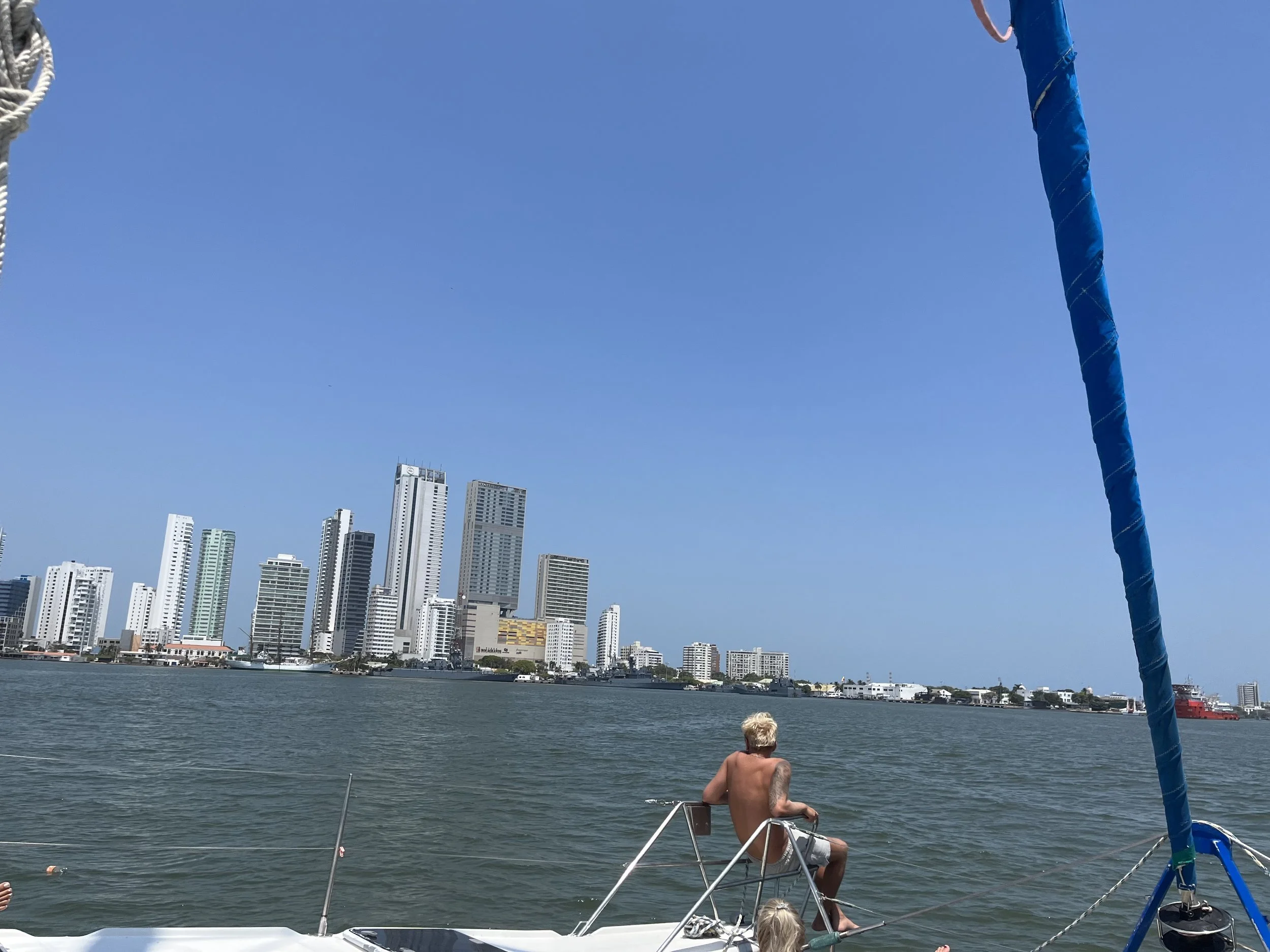
After four days aboard Nacar 2, the Cartagena skyline finally appeared ahead of us. Panama and Central America were behind me; an entirely new continent was waiting onshore.
Enjoyed this story? Toss a tip in the jar—thanks for reading.
Explore Panama
Panama Travel Guide & Tips
Top 10 Places to Visit in Panama
Panama Story # 1 - Panama City Without a Plan: Canals, Monkeys and Rooftop Views
Panama Story #2 - I Lost My Phone in Santa Catalina, Panama—and Still Loved It
Panama Story #3: Three Buses, Three Waterfalls and a Flight of Beer in Boquete, Panama
Is Boquete, Panama Worth Visiting? My Honest Review After Two Nights
Panama Story #4: I Hiked Up a Mountain to Stay at Lost and Found Jungle Hostel in Panama
Panama Story #5: Rum Punches, Starfish and a Pirate Ship in Bocas del Toro, Panama
