The Solo Explorer’s Guide to Costa Rica
✨ Intro
Costa Rica is one of those countries that feels alive.
Monkeys swing through the trees, sloths nap above hiking trails, colourful birds seem to appear out of nowhere, and if you're lucky, you might even see sea turtles nesting on the beach under the stars.
I spent about two months exploring Costa Rica between the end of January and the beginning of March. During that time, I traveled through beach towns, cloud forests, volcano regions, and small local communities. I also spent three weeks volunteering with a sea turtle conservation project on the Pacific coast — one of the most memorable experiences I've had anywhere in the world.
What surprised me most about Costa Rica wasn't the wildlife or the scenery. It was how much effort the country puts into protecting nature. Costa Rica has no military and instead invests heavily in conservation, national parks, and reforestation. In fact, many areas that were once farmland have been allowed to return to forest, and the wildlife has followed. The animals you see in Costa Rica's parks aren't there because someone put them there — they're wild, free, and thriving.
Costa Rica isn't the cheapest country in Central America. Accommodation can sell out surprisingly early, especially in popular destinations, and some attractions require both an entrance fee and a guide. But after spending time here, I understood why so many people fall in love with the country.
For me, the best parts of Costa Rica weren't always the famous tourist hotspots. They were the quiet beaches, local buses, jungle trails, small towns, and unexpected wildlife encounters that happened when I slowed down and explored beyond the crowds.
If you love nature, wildlife, beaches, and outdoor adventure, Costa Rica might become one of your favourite countries too.
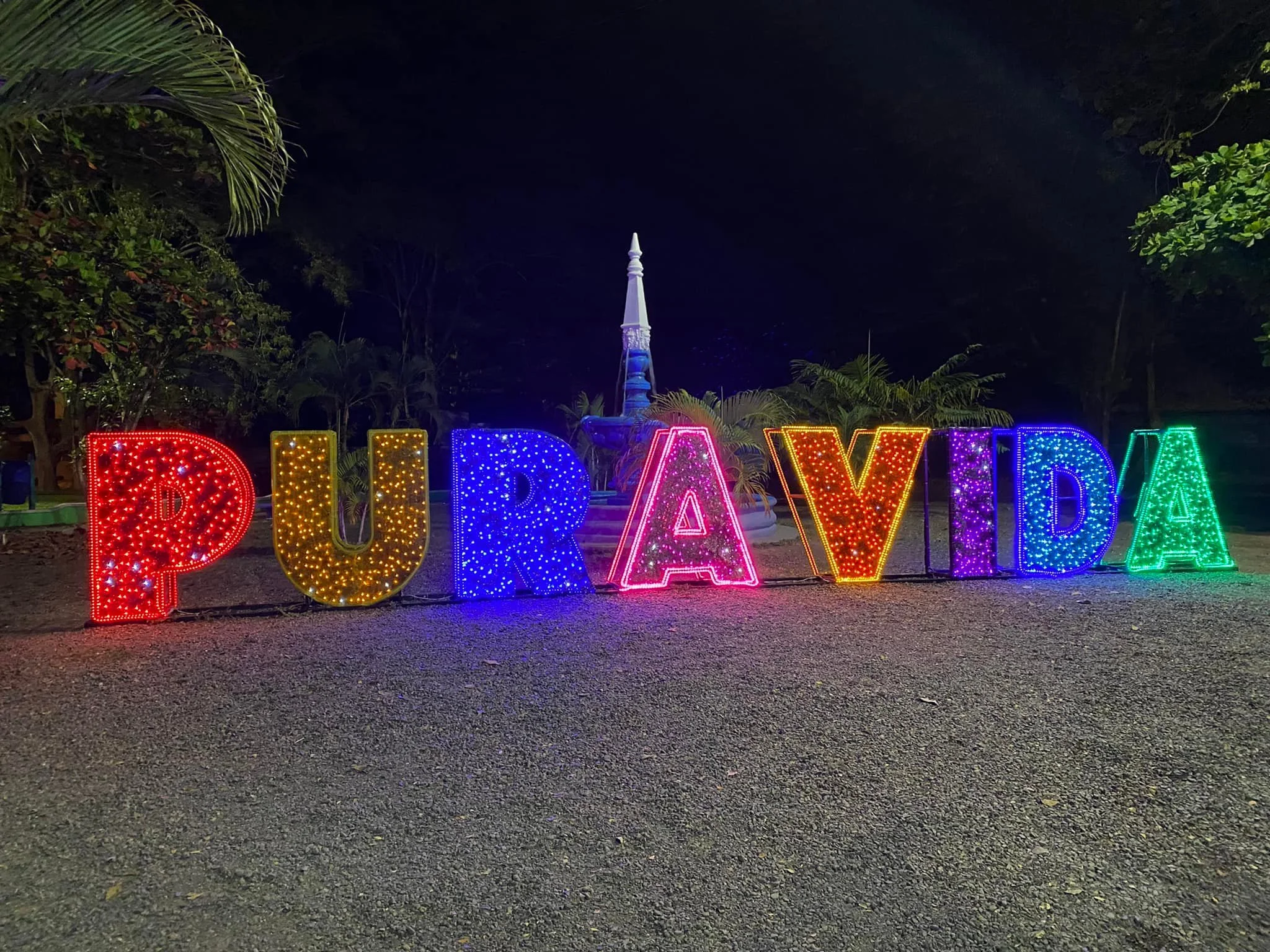
If there's one phrase you'll hear everywhere in Costa Rica, it's "Pura Vida."
👱♀️ Why Costa Rica Is Great for Solo Female Travelers
Easy to meet other travelers in hostels, shuttles, and tours
Well-established backpacker route connecting major destinations
Incredible wildlife everywhere — sloths, monkeys, toucans, sea turtles, and more
Lots of outdoor adventures including hiking, ziplining, surfing, rafting, and volcanoes
Tourism infrastructure is excellent compared to much of Central America
Friendly locals who embrace the "Pura Vida" lifestyle
Safe and comfortable for first-time solo travelers
Plenty of eco-tourism, conservation projects, and volunteer opportunities
Public transportation is affordable, and tourist shuttles make travel even easier
English is commonly spoken in tourist areas
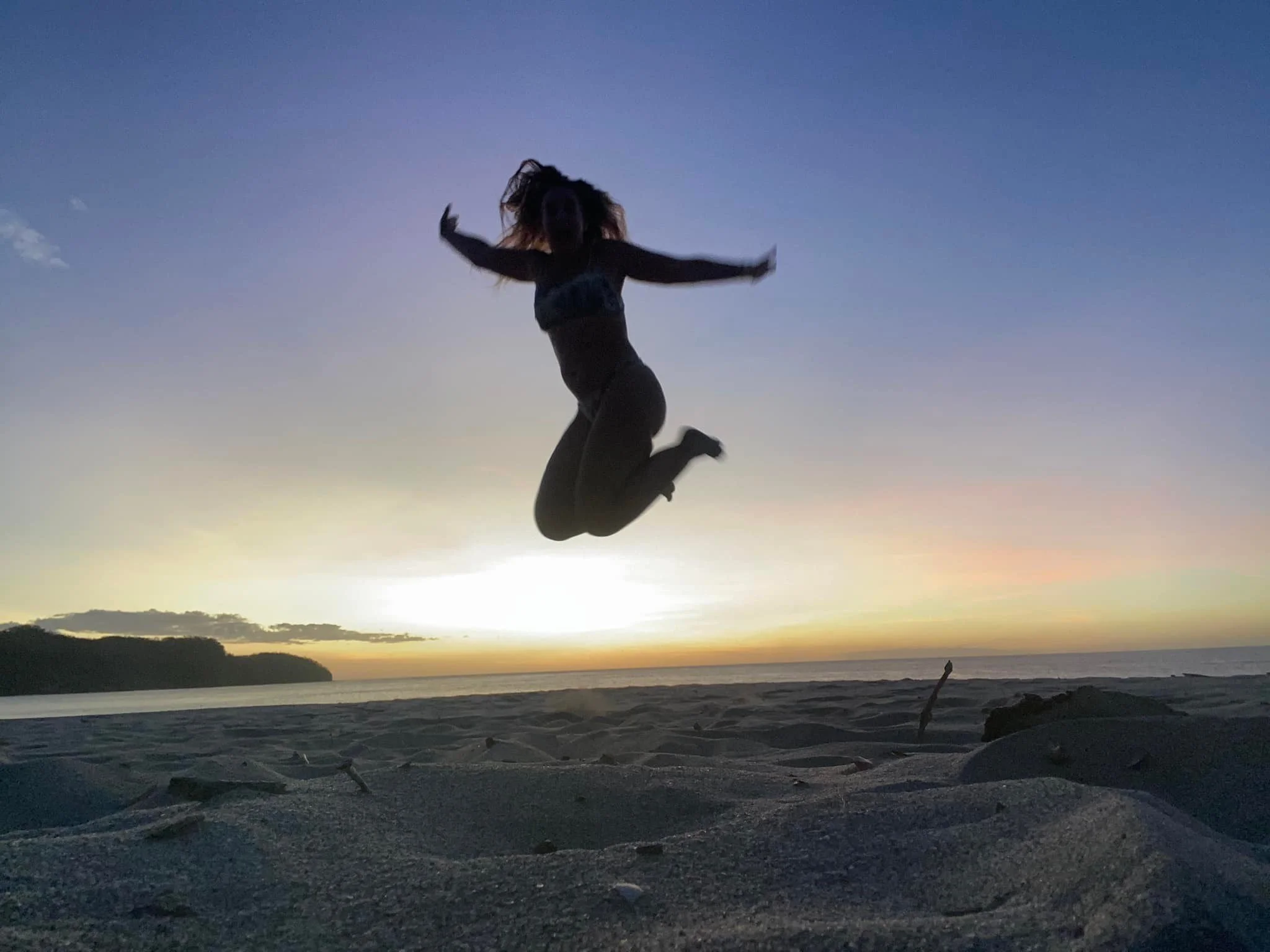
I tried very hard not to fall in love with Costa Rica. Then moments like this kept happening.
🧳 Entry Requirements (for Canadians & most tourists)
Tourists from Canada, the U.S., the U.K., and most European countries can visit Costa Rica visa-free for up to 180 days.
Your passport must be valid for the length of your stay.
You may be asked to show proof of onward travel (a flight, bus ticket, or other transportation leaving Costa Rica).
You may be asked to show proof of sufficient funds for your stay.
No tourist visa is required for most short-term visits.
No mandatory vaccinations are required for most travelers arriving from Canada, the U.S., or Europe.
Travelers must complete Costa Rica's digital customs declaration before arrival.
⚠️ Disclaimer: Entry requirements can change based on your nationality and government policies. Always check official government sources before traveling.
💡 JD's Tip
I was asked to show proof of onward travel when entering Costa Rica.
Many travelers online will tell you they were never asked, but immigration absolutely can request it. If you're backpacking through Central America without fixed plans, make sure you have some type of ticket showing you'll eventually leave the country.
It's one of those things you probably won't need... until suddenly you do.
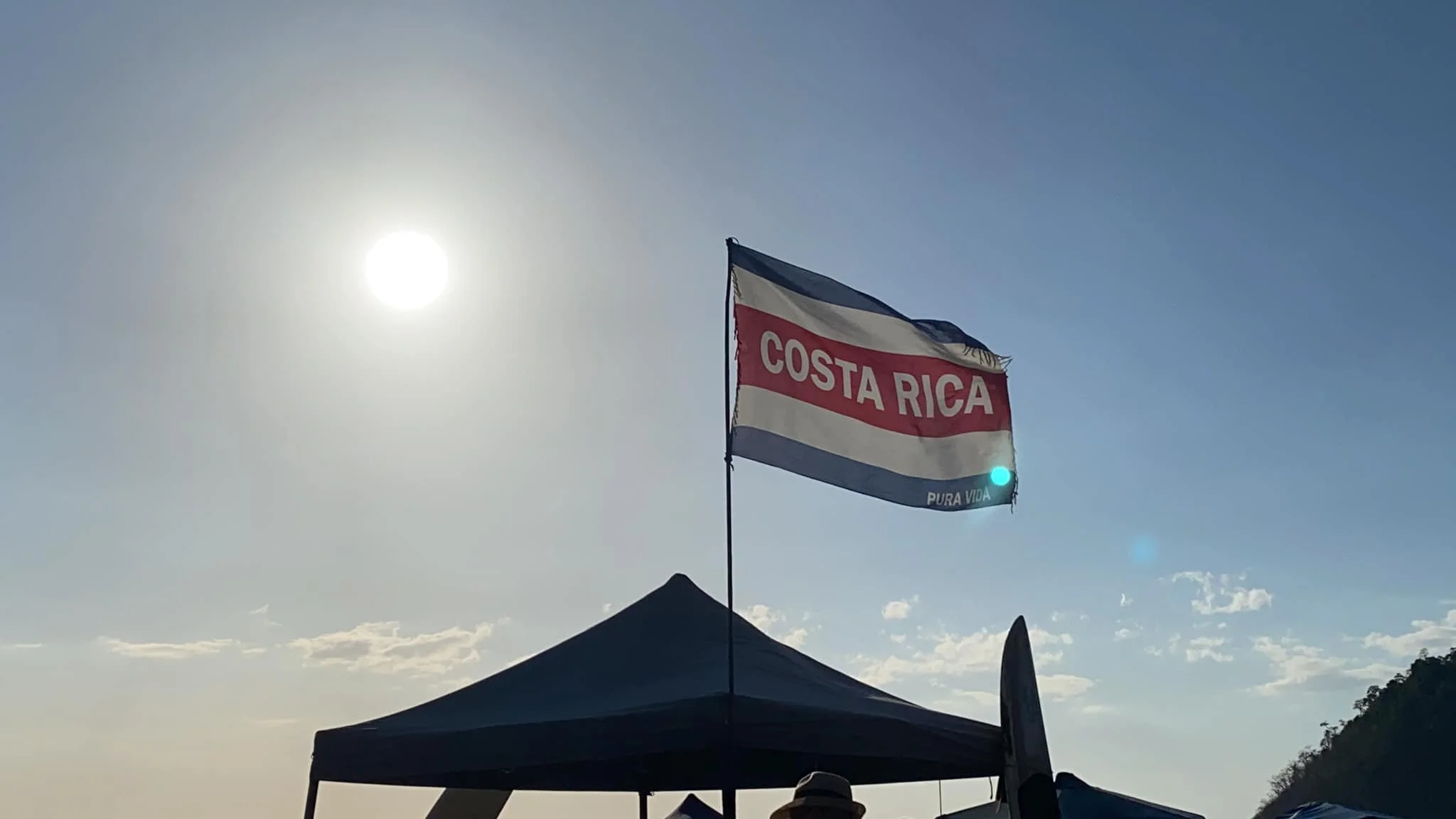
Before traveling to Costa Rica, make sure you have proof of onward travel. Immigration or airline staff may ask to see it.
🕰️ Best Time to Visit
🌞 Dry Season (December–April) is the most popular time to visit Costa Rica.
Expect:
Sunny days and blue skies
Great wildlife viewing
Better beach weather
Easier travel on roads and hiking trails
Higher prices and more tourists
🌿 Green Season (May–November) brings more rain, but also greener landscapes and fewer crowds.
Expect:
Lower accommodation prices
Fewer tourists
Lush jungles and waterfalls
Afternoon rain showers (sometimes heavy)
Muddy trails in some areas
🐢 Sea Turtle Season varies depending on the species and location, but many conservation projects and nesting beaches operate during different parts of the year.
💡JD's Tip
I visited Costa Rica between late January and early March, which falls during the dry season.
The weather was fantastic for exploring beaches, hiking through cloud forests, and spotting wildlife. I had plenty of sunshine during my trip, but it wasn't unbearably hot like some tropical destinations.
One thing that surprised me was how busy some destinations were. Popular places like Tamarindo, La Fortuna, and Manuel Antonio can book up quickly during peak season. If you're traveling during the dry season, reserve your accommodation earlier than you think you need to.
Another bonus of traveling during this time? Wildlife was everywhere. Between sloths, monkeys, toucans, sea turtles, and countless birds, I felt like I was constantly looking into the trees.
🐒 Conservation Fact
Costa Rica is one of the world's conservation success stories. Decades ago, much of the country's forest had been cleared, but government conservation programs helped reverse the trend. Today, forest cover has rebounded dramatically, and many areas continue to be protected and reforested, creating habitat for the incredible wildlife the country is famous for.
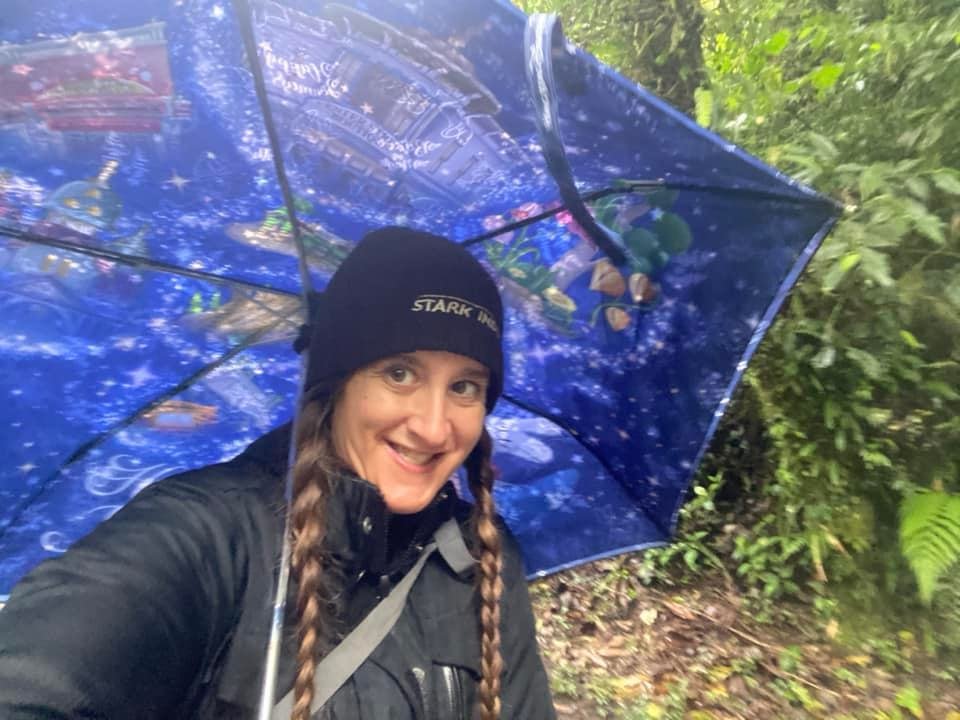
While most of Costa Rica was hot and sunny during my trip, Monteverde was cool, misty, and rainy. Pack layers if you're heading into the mountains.
💰 Money & Currency: How to Pay in Costa Rica
💵 Local Currency: Costa Rican Colón (CRC)
💱 Exchange Rate: Approximately 500 CRC = $1 USD (rates change, check before travel)
💳 Cards: Credit cards (especially Visa & Mastercard) are widely accepted in most hotels, restaurants, supermarkets, and tourist attractions.
💵 U.S. Dollars: U.S. dollars are accepted in many tourist areas, although change is usually given in Costa Rican Colones.
🏧 ATMs: Widely available in cities and tourist destinations. Withdrawals are usually easy, but some machines charge fees.
💰 Cash: Useful for local buses, small restaurants (sodas), markets, tips, and rural areas.
💡 JD's Tip: I usually withdrew about a week's worth of spending money at a time rather than carrying large amounts of cash. For me, that was often around $300 USD worth of local currency, depending on my plans. I preferred paying for hostels, guesthouses, and tours with my credit card whenever possible and using cash for smaller day-to-day expenses. Even when I use cards, I still write down every expense so I can keep track of my budget.
Disclaimer: Exchange rates are approximate and can change. Check current rates before you travel.
🛏️ Where to Stay
Booking Tips
🏙️ San José: Stay near the city center or close to the airport depending on your arrival time. Most travelers only spend a night or two here before heading elsewhere.
🌊 Beach Destinations (Tamarindo, Jaco, Puerto Viejo): Look for accommodation within walking distance of the beach and restaurants. Staying slightly outside the main tourist area can often save money.
🌿 Nature Destinations (Monteverde, La Fortuna, Manuel Antonio): Guesthouses and eco-lodges are popular options. Staying near the main town usually provides the easiest access to tours, restaurants, and transportation.
🐢 Off-the-Beaten-Path Areas (Cabuya and smaller towns): Expect fewer accommodation options, but a more local and relaxed atmosphere.
Types of Accommodation
🛏️ Hostels: Best for backpackers and solo travelers looking to meet people.
🏡 Guesthouses: My personal favorite. Usually quieter, locally owned, and often include helpful local advice.
🌴 Eco-Lodges: Popular throughout Costa Rica, especially near rainforests and national parks.
🏨 Hotels & Resorts: Widely available in major tourist destinations, although prices can be significantly higher than elsewhere in Central America.
💡 JD's Tip:
Book accommodation earlier than you think you need to.
Costa Rica was one of the few countries in Central America where I regularly found places completely sold out. In Tamarindo, I originally planned to stay three nights but ended up booking three different hostels because nothing was available for consecutive nights.
If you're traveling during the dry season or visiting popular destinations like Tamarindo, La Fortuna, Monteverde, or Manuel Antonio, don't assume you'll be able to find accommodation last minute.
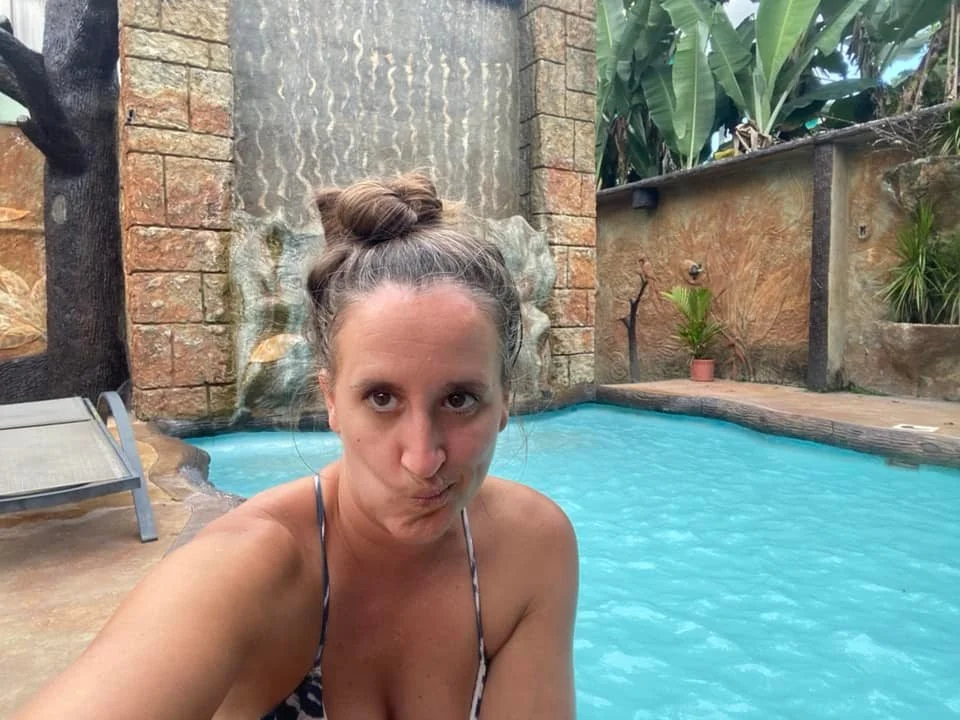
My hostel in La Fortuna came with a pool — the perfect place to cool off after a day of hiking, waterfalls, and hot springs.
🍽️ What to Eat
🥘 Casado – The classic Costa Rican meal. Usually includes rice, beans, salad, plantains, and your choice of meat, fish, or chicken. Cheap, filling, and found almost everywhere.
🍌 Plantains – Served fried, baked, mashed, or as chips. You'll see them on menus throughout the country.
🐟 Fresh Fish & Seafood – Especially along the coast. Many beach towns serve freshly caught fish, ceviche, and seafood dishes.
🥥 Rice & Beans (Caribbean Style) – Popular on the Caribbean coast around Puerto Viejo. Often cooked with coconut milk and served with spicy sauces.
🥭 Fresh Fruit – Costa Rica has some of the best fruit I've ever eaten. Try mangoes, pineapples, papayas, bananas, watermelon, and whatever else is in season.
🥤 Fresh Fruit Smoothies (Batidos) – Made with fresh fruit, milk, or water. Perfect after a hot day exploring.
🥟 Empanadas – Found in bakeries and small restaurants. Great for a quick breakfast or snack.
☕ Costa Rican Coffee – Even if you're not a huge coffee drinker, Costa Rica is famous for its coffee plantations and high-quality beans.
💡 JD's Tip: If you're traveling on a budget, look for local restaurants called "sodas."
Sodas are small family-run restaurants that serve traditional Costa Rican food at much lower prices than tourist restaurants. They're where I found some of my best meals and a great way to eat like a local.
Also, don't skip the fresh fruit. It was cheaper, fresher, and tasted far better than what I'm used to back home in Canada.
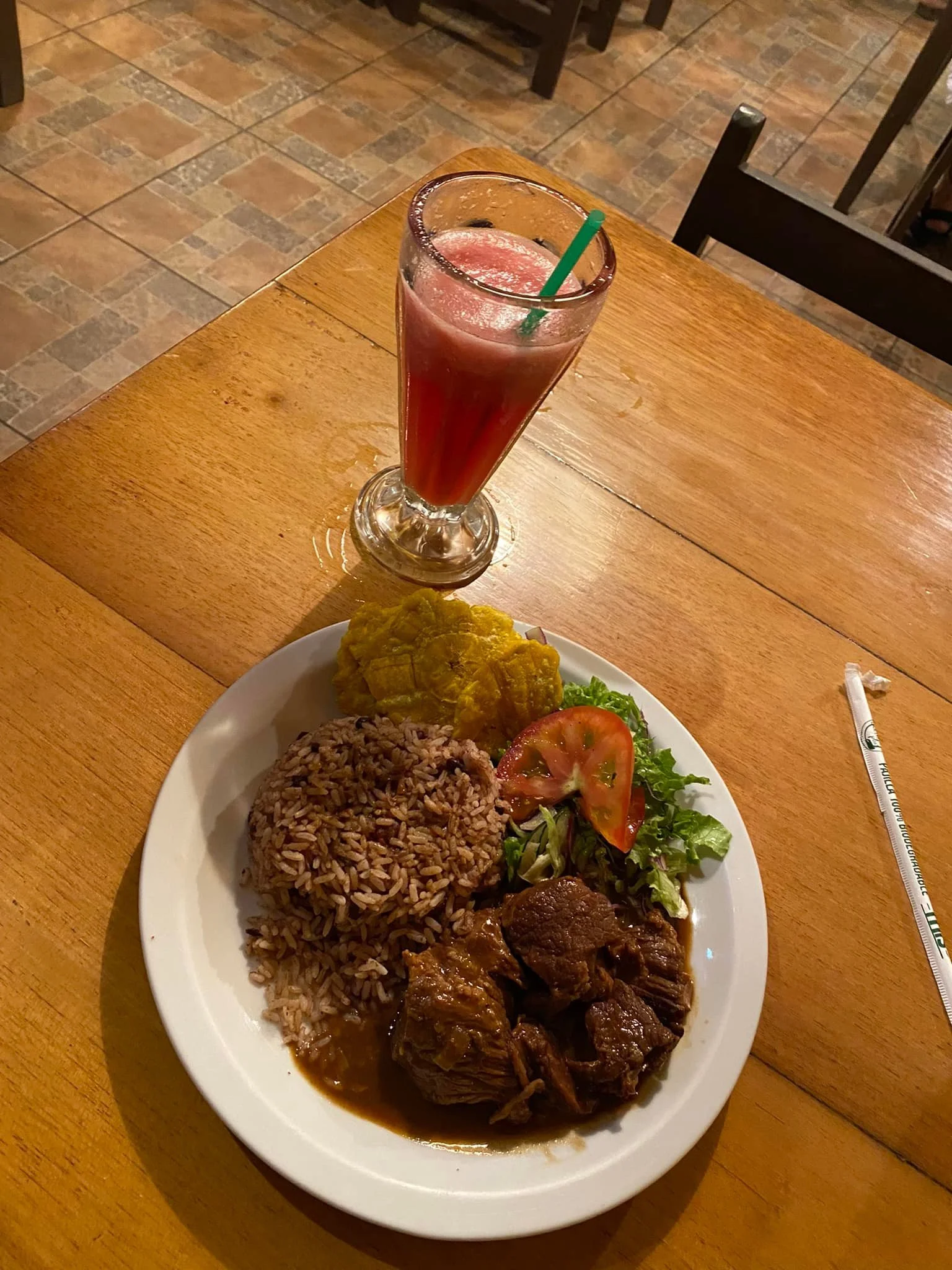
A typical meal at a Costa Rican soda: rice, beans, salad, plantains, and slow-cooked meat. Simple, filling, and affordable.
🗺️ Itinerary
Best Stops for a 2–4 Week Trip (With Time Suggestions)
🏙️ San José – 1–2 days
Most travelers arrive here before heading elsewhere. Visit museums, explore local markets, and adjust to the slower "Pura Vida" pace.
Good for arrival, departure, and a little culture before the adventure begins.
🌊 Tamarindo – 2–4 days
A popular beach town known for surfing, nightlife, sunsets, and easy access to tours.
Great for beaches, surfing lessons, and meeting other travelers.
🐢 Cabuya – 3–7+ days
A quiet coastal village near Montezuma. This is where I volunteered monitoring sea turtles.
Perfect for slowing down, enjoying nature, and getting away from the crowds.
🌿 Monteverde – 2–3 days
Cloud forests, hanging bridges, ziplining, wildlife, and cooler temperatures.
Give yourself enough time for at least one full day in the cloud forest and another for adventure activities.
🌋 La Fortuna – 3–4 days
Home of Arenal Volcano, waterfalls, hot springs, hiking trails, and wildlife.
One of Costa Rica's most popular destinations and worth several days.
🏄 Jaco – 1–2 days
A busy beach town known for surfing, nightlife, and easy access from San José.
Good as a stopover, surf destination, or quick beach break.
🐒 Manuel Antonio – 2–3 days
One of Costa Rica's most famous national parks with monkeys, sloths, beaches, and jungle trails.
Spend at least one full day exploring the park with a guide if possible.
🌴 Puerto Viejo – 2–4 days
A laid-back Caribbean town with beautiful beaches, great food, and a different vibe from the Pacific coast.
Ideal for relaxing, cycling, wildlife spotting, and enjoying Caribbean culture.
✈️ Liberia – 1 day
Many travelers fly into or out of Liberia when exploring northwestern Costa Rica.
Mainly a transportation hub, but worth a short stop if your schedule allows.
💡 JD's Tip
Don't try to see all of Costa Rica in one week.
Travel days often take longer than they look on a map, especially if you're using local buses. Give yourself time to actually enjoy each destination rather than constantly moving.
My favourite memories weren't from rushing between places. They came from staying longer, slowing down, and letting Costa Rica happen.
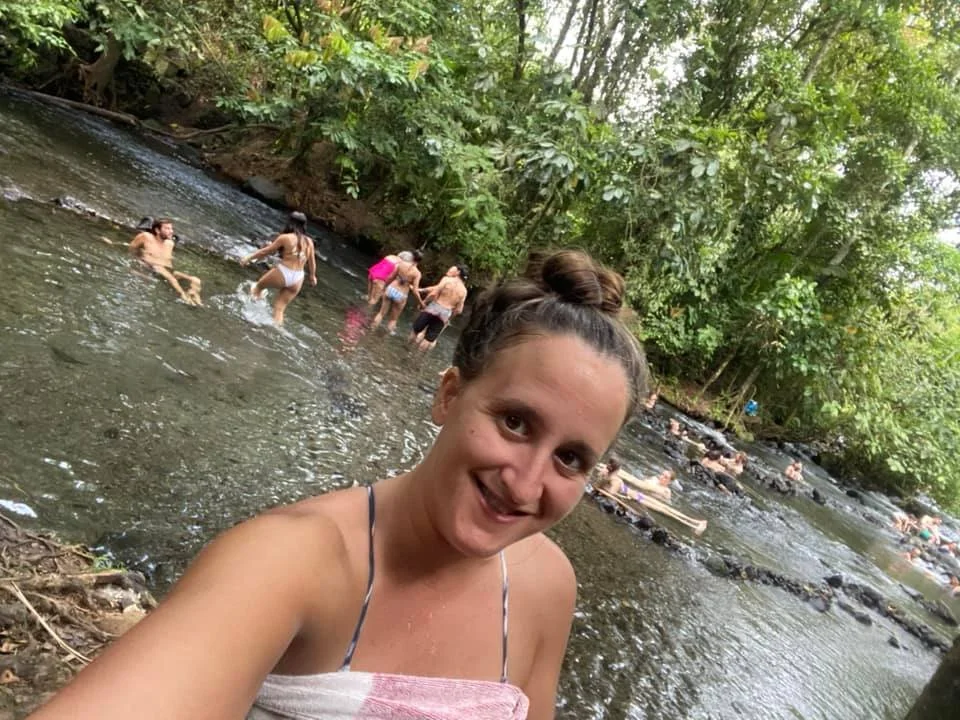
Relaxing in the natural hot springs near La Fortuna after a day of exploring waterfalls, volcano views, and rainforest trails.
🚌 Getting Around
🚍 Public Buses: The cheapest way to travel around Costa Rica. Most towns are connected by bus routes, although journeys can take much longer than expected.
🚐 Tourist Shuttles: Faster and easier than public transportation, especially between popular destinations like La Fortuna, Monteverde, Manuel Antonio, Tamarindo, and Puerto Viejo.
🚗 Rental Cars: Popular with travelers who want flexibility, although driving can be challenging due to mountain roads, potholes, weather conditions, and limited parking in some areas.
🚕 Taxis & Ride Apps: Available in larger towns and cities. Uber operates in some areas, although availability varies.
⛴️ Boats & Ferries: Required for reaching certain destinations and coastal regions.
🌿 Walking: Many beach towns and smaller destinations are very walkable once you arrive.
💡 JD's Tip: Always give yourself more travel time than Google Maps says.
Costa Rica looks small on a map, but getting around can take much longer than expected. The roads are often winding, mountainous, and slower than they appear online.
I quickly learned that a trip that looked like a few hours on Google Maps could easily turn into most of the day.
If you're using public transportation, build extra time into your schedule and avoid planning tight connections between buses, shuttles, tours, or accommodations.
I also found that local bus information was often easier to get from hostel staff, guesthouse owners, and locals than from Google. Don't be afraid to ask—people were usually happy to point me in the right direction.
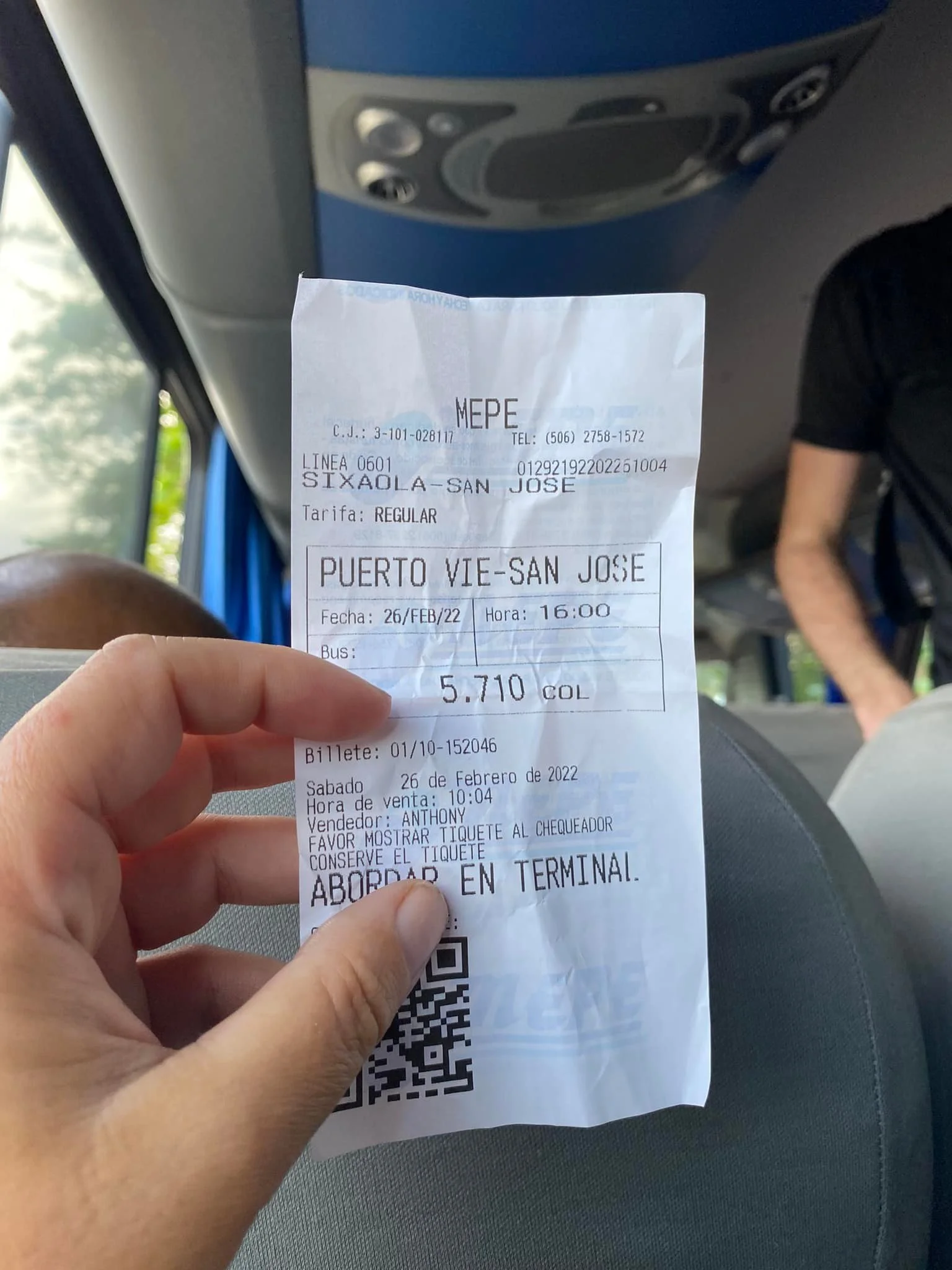
One of my many bus tickets from Costa Rica. Local buses were my favourite way to travel—they were affordable and gave me a glimpse into everyday life.
💸 Budget Breakdown / Day (in $USD)
Accommodation
Low: $15–35 — Hostel dorms, budget guesthouses
Mid: $50–100 — Private rooms, boutique hotels, eco-lodges
High: $150+ — Resorts, luxury hotels, beachfront properties
Food
Low: $10–20 — Sodas, bakeries, local restaurants
Mid: $25–50 — Tourist restaurants, mixed dining
High: $70+ — Fine dining, seafood restaurants, resort dining
Transport
Low: $5–15 — Local buses, walking
Mid: $20–50 — Tourist shuttles, occasional taxis
High: $75+ — Rental cars, private transfers
Activities
Low: $0–15 — Beaches, hiking trails, self-guided exploration
Mid: $15–40 — National parks, waterfalls, wildlife reserves
High: $50+ — Ziplining, guided wildlife tours, rafting, adventure activities
👉 Total / Day
Low: $35–85
Mid: $110–240
High: $345+
💡 JD's Tip: Costa Rica was one of the most expensive countries I visited in Central America. You can still travel on a backpacker budget, but you'll need to be more conscious of your spending than in countries like Nicaragua or Guatemala.
I found that staying in hostels or guesthouses, eating at local sodas, and using public transportation kept costs reasonable. The biggest expenses were usually accommodation, tourist shuttles, and organized activities.
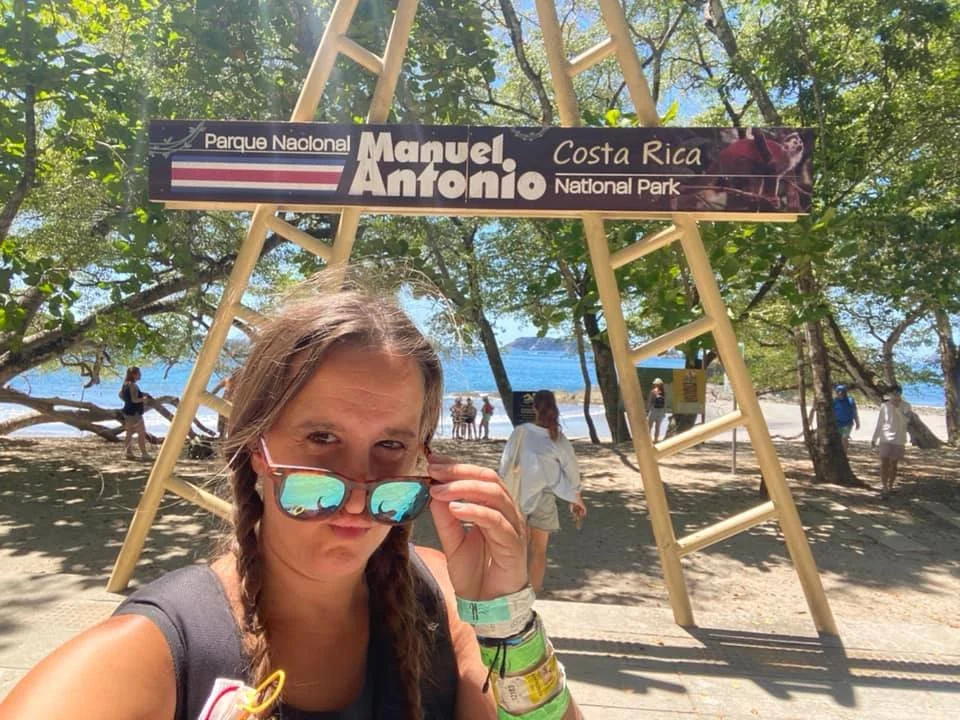
Some things are worth spending money on. Manuel Antonio National Park was one of the attractions I happily built into my Costa Rica budget.
🛍️ Souvenirs to Buy in Costa Rica
☕ Costa Rican Coffee – One of the country's most famous exports. Easy to pack and a great gift for coffee lovers.
🐢 Sea Turtle Souvenirs – Costa Rica is known for its sea turtle conservation projects. You'll find turtle-themed jewelry, artwork, carvings, and decorations throughout the country.
🐸 Red-Eyed Tree Frog Souvenirs – One of Costa Rica's most recognizable animals. You'll see red-eyed tree frogs on magnets, shirts, artwork, mugs, ornaments, and just about every souvenir stand in the country.
🌿 Local Chocolate – Many regions produce excellent chocolate made from locally grown cacao.
🎨 Handmade Wood Carvings – Often featuring sloths, monkeys, sea turtles, frogs, and other wildlife.
🦥 Wildlife-Themed Artwork – Sloths, toucans, monkeys, and tropical birds are popular subjects for local artists.
💍 Handmade Jewelry – Often made using local materials, shells, seeds, wood, or natural stones.
🌶️ Costa Rican Sauces & Spices – Great for travelers who enjoy bringing home local flavors.
👕 Pura Vida Merchandise – Bracelets, shirts, hats, and souvenirs featuring Costa Rica's famous phrase and laid-back lifestyle.
📸 Postcards & Local Art Prints – Perfect for scrapbooks, memory books, or decorating your home.
💡 JD's Tip:
I always try to buy something small that reminds me of the destination rather than something expensive.
Costa Rica's wildlife is what I remember most, so if I were buying souvenirs, I'd look for something that reminds me of the sloths, monkeys, sea turtles, and incredible nature that make the country so special.
Also, save a little room in your luggage. Costa Rican coffee and chocolate make excellent gifts for friends and family back home.
🧘 Solo Travel & Cultural Tips
Learn the phrase "Pura Vida" – you'll hear it everywhere. It can mean hello, goodbye, thank you, you're welcome, life's good, and about ten other things.
Don't be surprised if things move a little slower than you're used to. Relax and enjoy the pace.
Wildlife has the right of way. Slow down and appreciate the animals rather than trying to get the perfect photo.
A little Spanish goes a long way, especially outside major tourist destinations.
Tourist towns can feel very different from local communities. If you have time, explore beyond the most popular destinations.
Costa Ricans (Ticos) are generally friendly and helpful. If you're lost, don't be afraid to ask for directions.
Respect nature. Costa Rica takes conservation seriously, and many national parks have strict rules designed to protect wildlife and habitats.
Pack for different climates. Costa Rica may be a small country, but beaches, mountains, cloud forests, and jungles can all have very different weather.
💡 JD's Tip:
Most people visit Costa Rica for a week or two. I stayed longer by volunteering with a sea turtle conservation project, which helped reduce my travel costs and gave me a chance to experience a different side of the country.
You don't have to volunteer, but if you're traveling long-term, it's worth looking into. It can be a great way to stretch your budget, meet people, and spend more time in destinations you love.
My favourite memories weren't always from the biggest tourist attractions. They often came from slowing down, spending time in smaller communities, and simply enjoying Costa Rica's incredible wildlife and natural beauty.
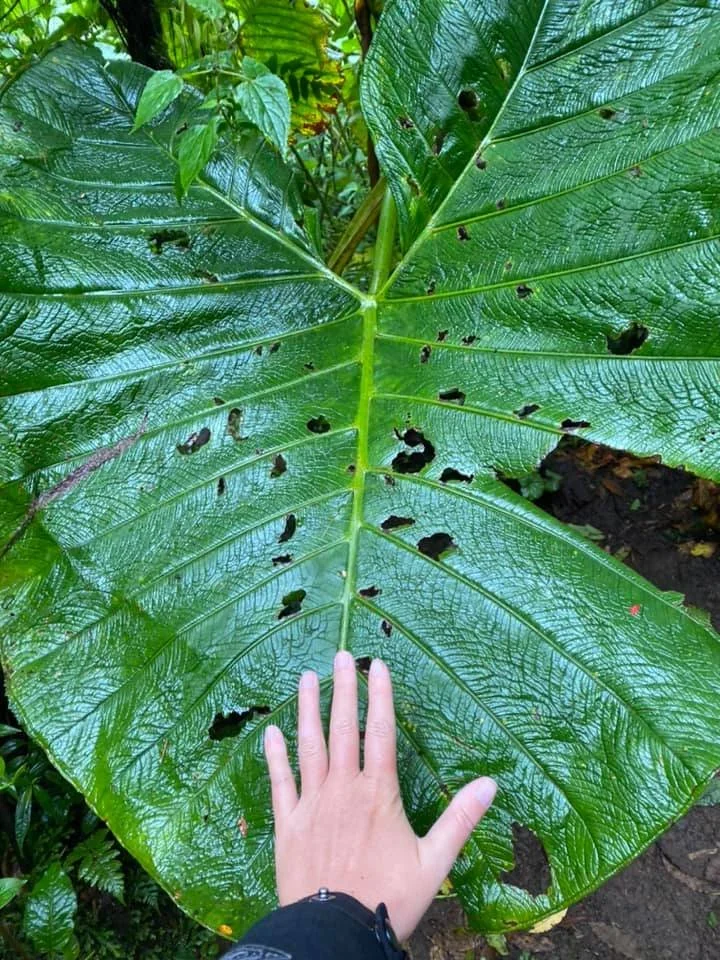
Respecting nature is a big part of Costa Rican culture. Between giant rainforest plants like this and the incredible wildlife, it didn't take long to understand why conservation matters so much here.
💡 JD's Tips for Costa Rica
✅ Book accommodation early. Costa Rica was one of the few countries in Central America where I regularly found places sold out. In Tamarindo, I ended up staying in three different hostels because I couldn't find one with availability for my entire stay.
✅ Hire a wildlife guide at least once. I am terrible at spotting wildlife. In Monteverde's cloud forest, I kept wondering how many animals I was walking right past. Later, I hired a guide at a sloth reserve, and she immediately started spotting sloths, frogs, owls, birds, and other wildlife I would have completely missed. If you're visiting Costa Rica for the wildlife, I highly recommend hiring a guide at least once.
✅ Give yourself extra travel time. Distances on the map can be be deceiving. Mountain roads, winding routes, and traffic can make journeys take much longer than expected.
✅ Carry both a credit card and some cash. I paid for most hostels, guesthouses, and tours with a credit card but kept cash for buses, local restaurants, and smaller purchases.
✅ Don't rush through the country. Costa Rica may look small, but there is a lot to see. Spending an extra day or two in a destination is often more rewarding than constantly moving.
✅ Explore beyond the biggest tourist destinations. Some of my favourite experiences happened away from the busiest beach towns and tourist hotspots.
✅ Respect the wildlife. Costa Rica's animals are wild, not zoo animals. Enjoy them from a distance and follow park rules.
✅ Try a local soda. They're usually cheaper, more authentic, and often serve some of the best food you'll find in the country.
🌿 My biggest takeaway: I tried really hard not to fall in love with Costa Rica.
Everyone talks about how amazing it is. Every traveler seems to rave about it. After a while, I almost wanted to be the person who said, "It's overrated."
Unfortunately, they were right.
Costa Rica isn't the cheapest country in Central America, and it isn't the most undiscovered. But between the wildlife, beaches, jungles, conservation efforts, and laid-back atmosphere, I completely understood the hype by the time I left.
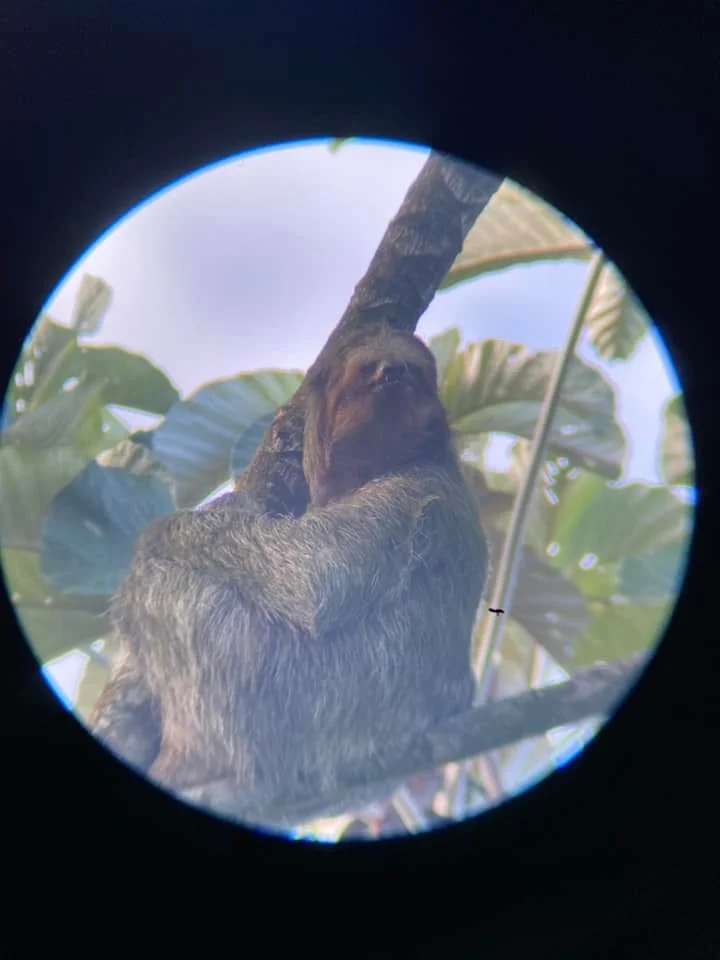
I would have walked right past this sloth without a guide. She already knew where several sloths were hanging out and brought a telescope so everyone could get a closer look.
🗣️ Speak a Little Spanish
While English is commonly spoken in tourist areas, learning a few Spanish phrases can make your trip smoother and help you connect with locals.
Hola — Hello — OH-lah
Buenos días — Good morning — BWEH-nos DEE-ahs
Gracias — Thank you — GRAH-see-ahs
Por favor — Please — por fah-VOR
¿Habla inglés? — Do you speak English? — AH-blah een-GLAYS?
¿Cuánto cuesta? — How much does it cost? — KWAN-toh KWEH-stah?
La cuenta, por favor — The bill, please — lah KWEN-tah por fah-VOR
Pura Vida — Literally "Pure Life" — POO-rah VEE-dah
💡 JD's Tip: Even if your Spanish isn't perfect, Costa Ricans appreciate the effort. Learning a few basic phrases can make bus travel, ordering food, and everyday interactions much easier.
And don't forget "Pura Vida." You'll hear it everywhere. It's more than just a phrase—it's part of Costa Rican culture and can mean anything from "hello" to "life is good."
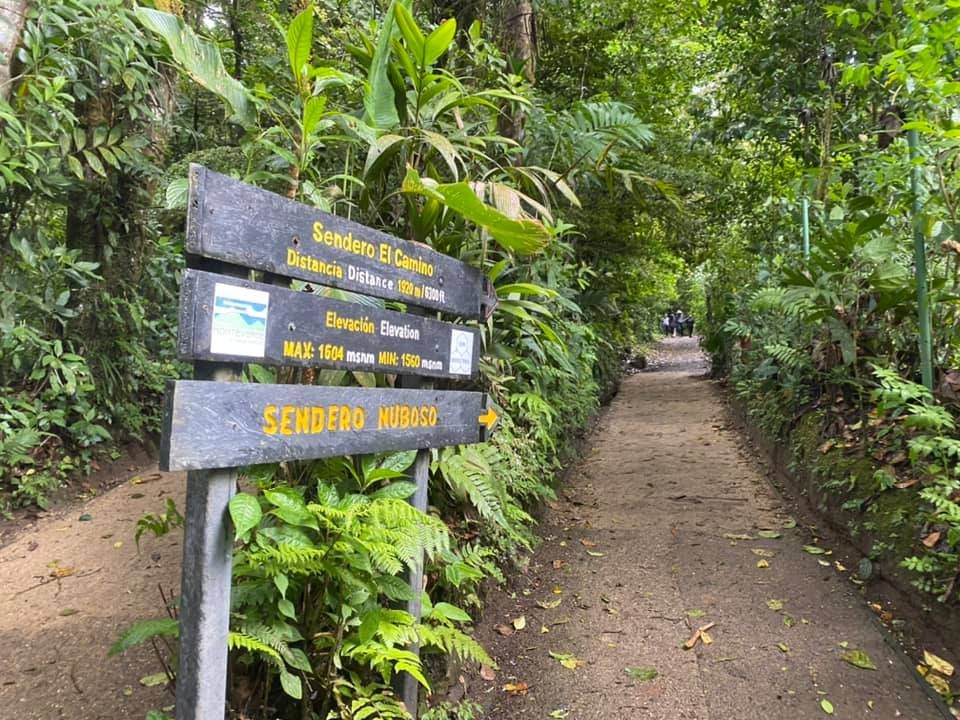
You don't need to be fluent in Spanish to travel Costa Rica, but knowing a few words can make bus trips, trail signs, and everyday interactions much easier.
