Travel Mistakes I’ve Learned After 16 Years of Solo Travel
I’ve been traveling for over 16 years now.
Long enough that I don’t remember what it felt like to board my very first flight without overthinking everything.
Long enough that I’ve stopped counting countries the way people count achievements.
And definitely long enough to know that the version of me who started traveling…
had no idea what she was doing.
I used to think travel was about getting everything right.
Booking the perfect flight. Packing the perfect bag. Seeing all the “must-do” places. Saying yes to everything. Making every moment count.
Now I know better.
Travel isn’t about getting it right.
It’s about figuring it out — usually the hard way.
And if I’m being honest… most of what I’ve learned didn’t come from the good moments.
It came from the mistakes.
I Used to Pack Like I Was Moving My Entire Life
When I first started traveling, I didn’t pack for a trip.
I packed like I was preparing for every possible scenario that could ever happen.
And to be fair — I wasn’t doing it alone.
My mom helped me pack for those early trips.
Which meant I had everything.
Extra shoes. Extra outfits. “Just in case” outfits.
Things I never wore. Things I never even took out of my bag.
Half of it came back exactly how it left.
And I carried all of it. Through airports. Across cities. Up stairs. Down streets that definitely weren’t made for rolling luggage.
At some point, I realized something simple:
I wasn’t overprepared.
I was overburdened.
Now, I pack completely differently.
I know what I wear. I know what I need.
And more importantly — I know what I don’t.
It’s actually kind of funny now, because I’ve flipped roles.
When I travel with my mom, I’m the one taking things out of her bag.
She still tries to pack for every scenario.
And I’m standing there like,
“You’re not going to need five pairs of shoes.”
But I get it. I used to be the same.
Maybe it’s also the Canadian in me — growing up where the weather can change in a single day teaches you to always be prepared.
But there’s a difference between being prepared…
and carrying things you’ll never use.
That took me years to figure out.
I Thought Confidence Meant I Knew What I Was Doing
Salzburg, Austria.
I had just arrived. Backpack on. That fresh “new city” energy.
I checked the map, picked a direction, and started walking toward my hostel like I had done this a hundred times before.
Which I had.
Except this time, I was completely wrong.
Twenty minutes later, I realized I was going in the opposite direction.
Not a big deal. Not dangerous.
But frustrating in a way that hits harder when you’re tired, carrying everything you own, and just want to get settled.
What stuck with me wasn’t the mistake itself.
It was how confident I was while making it.
I didn’t double check. I didn’t pause.
I just assumed I knew.
That’s something travel teaches you quickly —
confidence doesn’t mean you’re right.
Now, I move differently.
I still trust myself, but I verify things.
I check directions twice. I download offline maps. I pause before committing to a route.
Because sometimes, the mistake isn’t getting lost.
It’s thinking you can’t.
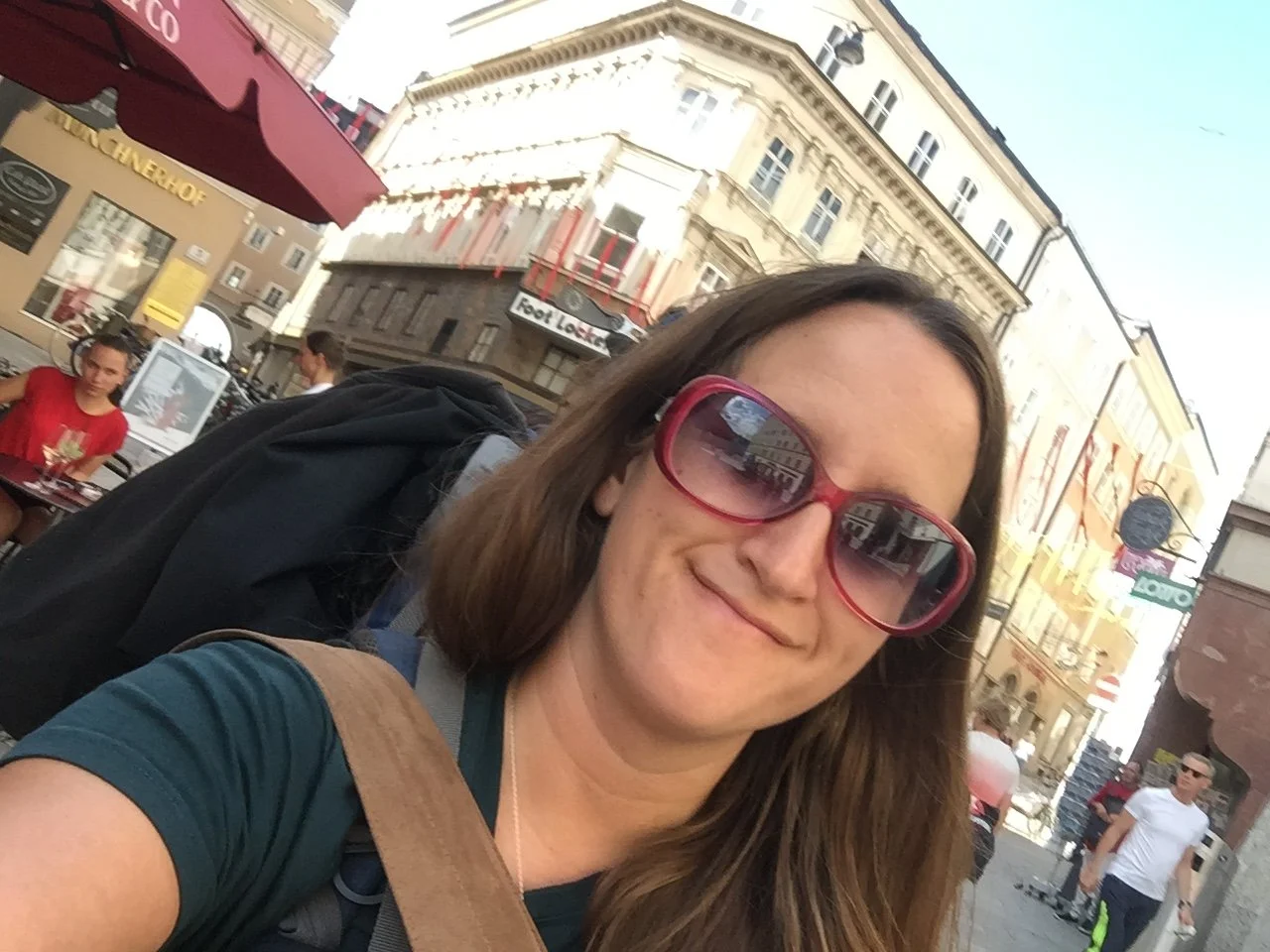
Salzburg, Austria. Confidently walking in the completely wrong direction to my hostel... while carrying everything I owned. Turns out confidence and being correct aren't always the same thing.
I Tried to Do Everything — And Ended Up Enjoying Less
There was a stretch of travel through Costa Rica and Nicaragua where I remember feeling… off.
Not unhappy. Not even stressed in the obvious way.
Just constantly moving.
Every day had something planned.
A place to get to. A thing to see. A box to check.
And on paper, it looked incredible.
But in reality, I was rushing through experiences that deserved more time.
I remember moments where I should have felt relaxed — sitting somewhere beautiful, taking it all in — and instead, I was thinking about what came next.
What time I had to leave.
What I hadn’t done yet.
It took me a while to admit it, but I wasn’t enjoying the trip the way I thought I would.
I was chasing it.
Trying to do everything is one of those mistakes that doesn’t feel like a mistake at first.
It feels productive. Efficient. Like you’re maximizing your time.
Until you realize you don’t actually remember half of it properly.
Now, I travel slower.
Not because I can’t move fast —
but because I don’t want to miss the experience while trying to collect it.
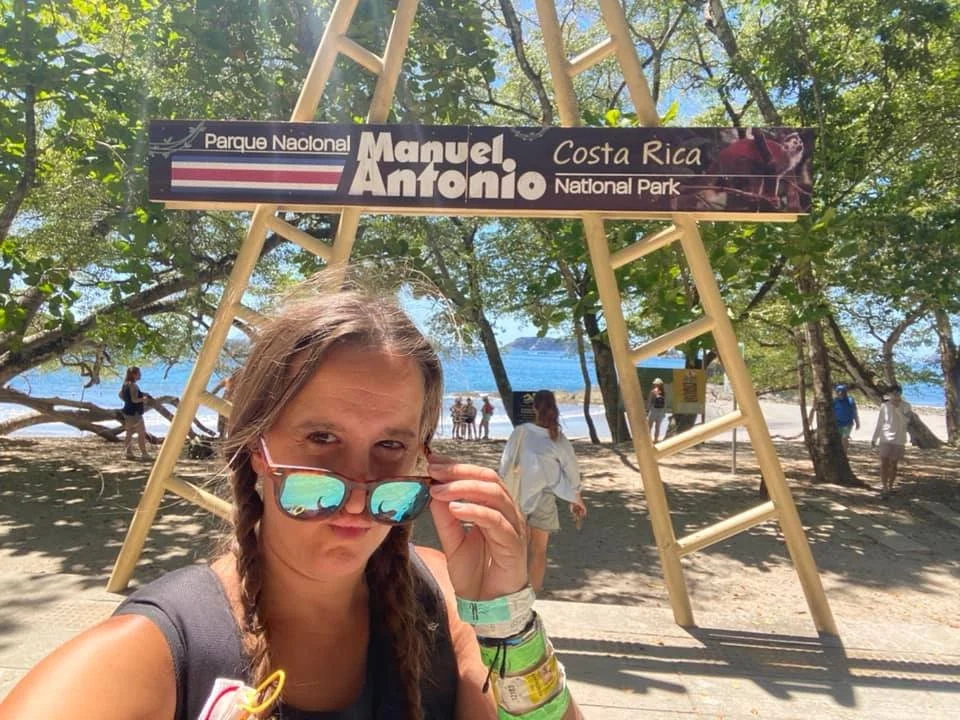
Manuel Antonio National Park was absolutely beautiful, but I learned that you don't have to cram everything into one trip. I'd rather spend extra time enjoying a place than rush off to the next destination just to check another country off my list.
I Learned the Hard Way That Not Everything Is Worth It
This one is tricky.
Because even now, it’s hard to say something “wasn’t worth it.”
Travel has a way of softening things over time.
Even the underwhelming moments get wrapped up in the bigger experience.
But there are definitely times where I’ve thought…
“Yeah… I didn’t need to do that.”
Stonehenge is one of them.
I’m glad I went.
I have the photo. I’ve seen it with my own eyes.
But if I’m being honest?
It didn’t hit the way I expected it to.
Same with going under the pyramids in Egypt.
Even the guide said it.
It’s hot. It’s cramped. It’s not this magical, cinematic experience people imagine.
And yet… I still don’t regret it.
Because now I get to say I’ve done it.
That’s the thing about travel —
“Not worth it” doesn’t always mean don’t go.
Sometimes it just means…
Adjust your expectations.
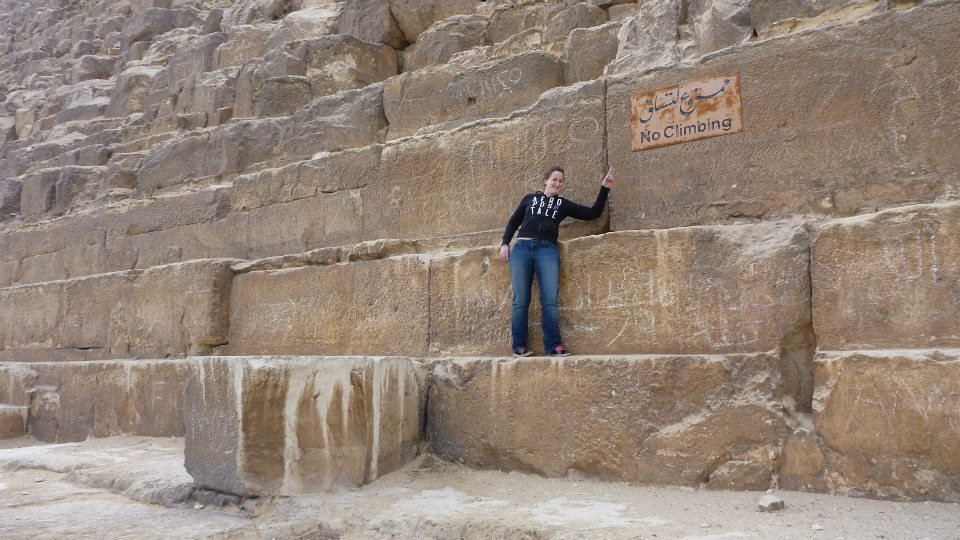
I even went inside one of the pyramids (no photos allowed!), but honestly... the view from the outside was better.
I Thought I Could Avoid Getting Ripped Off
Taxis. Tuk-tuks. Random rides.
If you’ve traveled enough, you already know.
At some point, someone is going to try to overcharge you.
Thailand was one of the first places I really noticed it.
If you don’t ask the price beforehand, the price becomes whatever they decide it is.
And it’s rarely in your favor.
I learned quickly to avoid it when I could.
Walk instead. Use apps. Compare options.
These days, I rely way more on things like Uber, Grab, or DiDi when they’re available.
It removes the guessing game.
But even now — after all these years —
it still happens sometimes.
Because sometimes you don’t have another option.
And that’s part of it too.
Travel teaches you that not every situation is perfectly controlled.
You just get better at navigating them.
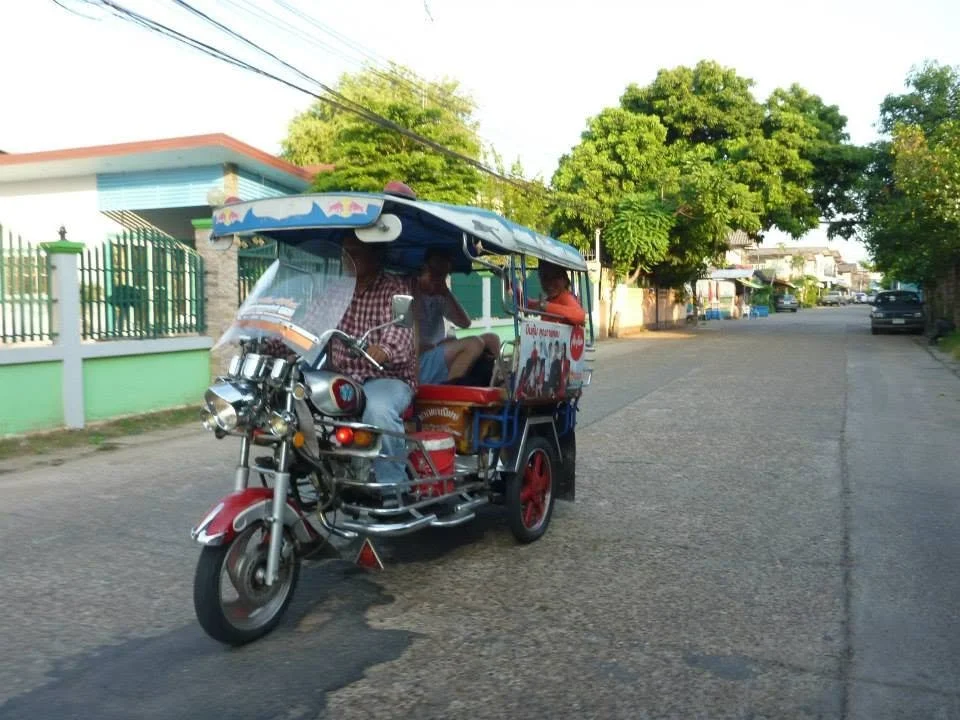
One lesson I've learned the hard way: always agree on the price before hopping into a tuk-tuk!
I Let My Guard Down — And It Cost Me
Palomino, Colombia.
It wasn’t a dramatic moment.
No big scene. No warning.
Just a second of distraction.
And my wallet was gone.
Everything that mattered was in there.
Cards. Cash. The usual.
But what made the difference — and this is something I don’t think I fully appreciated until that moment — was what wasn’t in my wallet.
My passport.
I had it stored separately —
but because somewhere along the way, I had learned not to keep everything in one place.
That decision saved me.
It didn’t make the situation easy.
I still had to figure things out. Call banks. Rearrange plans. Rely on help from home.
But it could have been so much worse.
Travel has a way of reminding you that things don’t go wrong all at once.
They go wrong in layers.
And the small decisions you make beforehand
are what determine how bad it gets.
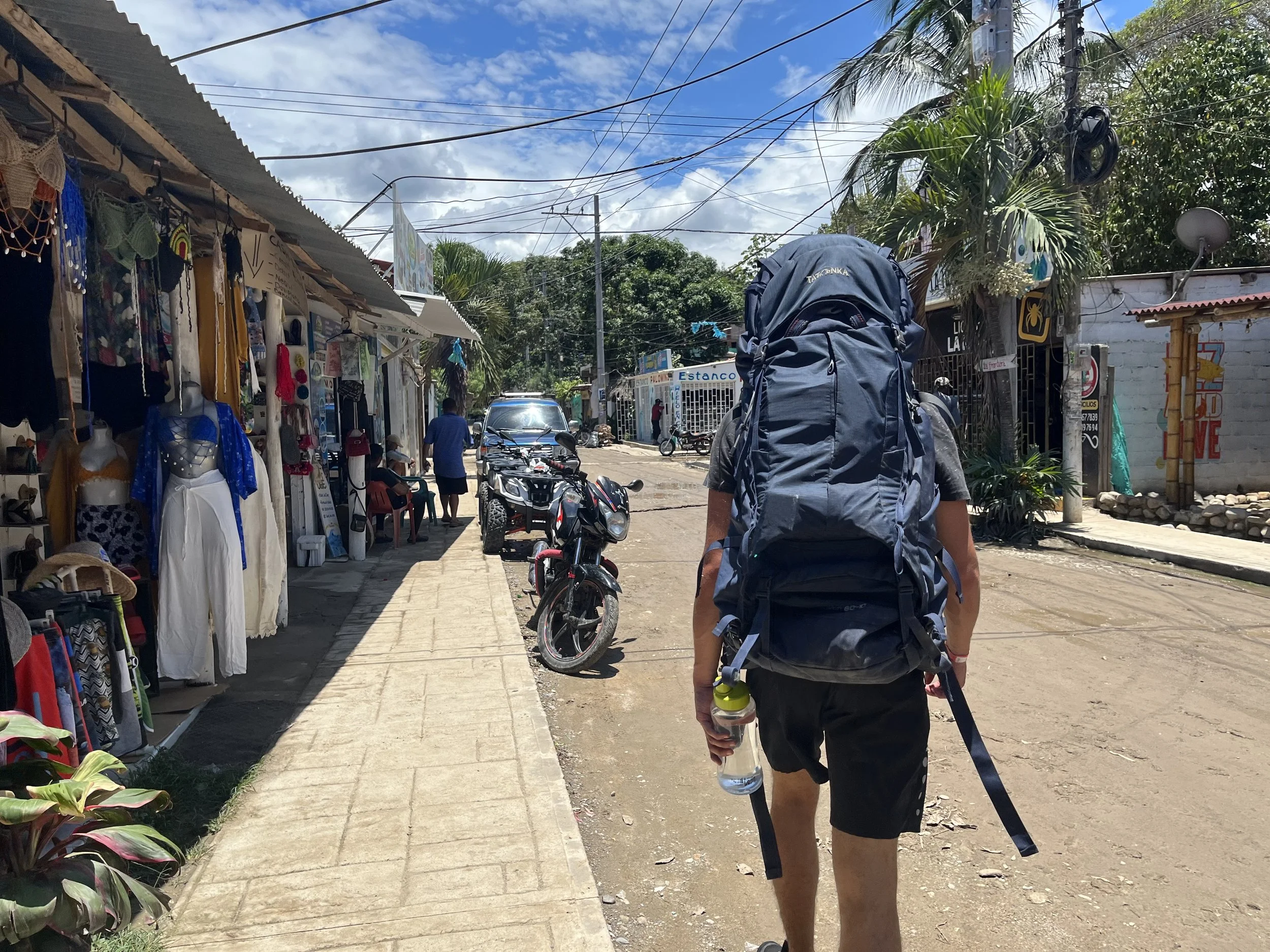
Just minutes later, while sitting on the bus, I realized my wallet was gone. Thankfully, my passport was stored somewhere else.
I’ve Been Lucky — But I Don’t Rely on That
People ask me sometimes if I’ve had bad gut feelings while traveling.
The truth is — not often.
And when I do, I listen.
That’s probably one of the reasons I’ve stayed relatively safe over the years.
But that doesn’t mean I haven’t made questionable decisions.
Like saying yes to one more drink
when I had a 6 a.m. tour the next morning.
More times than I’d like to admit.
Those moments don’t feel like “mistakes” in the same way.
They’re not dangerous. They’re not costly.
But they do add up.
You feel it the next day.
In your energy. In your experience.
And it’s another reminder that travel isn’t just about where you go.
It’s how you show up when you get there.

And Then There Are the Moments You Couldn’t Plan For
Some of my most memorable travel moments didn’t begin as magical.
They began as small inconveniences.
Like Sapa, Vietnam.
I had rented a motorbike and was out on the road when it stopped working. It wouldn’t start, but at first, I wasn’t overly stressed. It felt fixable — like one of those annoying travel hiccups you deal with and move on from.
An older gentleman noticed what was happening and came over to help. He saw that the bike wasn’t going anywhere, and together we rolled it to a local mechanic.
And then I waited.
For three hours.
At one point while I was waiting, I watched a dog get hit by a truck. A local came and picked it up, and I don’t even want to think about what happened after that.
The whole moment felt heavy — like the day had quietly shifted into something else.
Eventually, the mechanic got the bike working again.
So, I got back on and kept going.
I drove for about another hour and a half before I needed to stop for gas. By then, I genuinely thought the worst was behind me.
I remember feeling relieved.
Like, okay — we’re good now.
And then… the bike wouldn’t start again.
This time, it was different.
Because the sun was starting to set.
I was in the middle of nowhere.
No hotels. No guesthouses.
No real way to communicate what was wrong.
That’s when it really hit me.
That quiet panic that builds in your chest when you realize you might actually be stuck.
That’s when I started crying.
Not dramatic. Not loud.
Just silent tears streaming down my face while I stood there trying to figure out what to do.
My face was red. Blotchy.
I probably looked like I was completely falling apart.
The gas attendants tried to help, but there was only so much they could do. Eventually, they called the only people they knew who spoke English.
And those people came.
Strangers.
People who didn’t know me, didn’t owe me anything —
but showed up anyway.
And then something shifted.
They didn’t just fix the problem.
They brought me in.
Fed me.
Poured me rice wine.
Sat with me like I belonged there.
And there I was — still shaken, probably with tears still in my eyes —
teaching them drinking games.
It sounds ridiculous when I say it out loud.
A few hours earlier, I was convinced I might be stuck in the middle of nowhere for the night.
And then I was sitting with strangers in their traditional home, laughing, drinking rice wine, and somehow… okay.
That’s the part I carry with me.
Not just the breakdown.
Not just the fear.
But the way it turned into something completely different.
The older man who helped me at the beginning.
The gas station attendants who didn’t leave me stranded.
The strangers who didn’t just help — they welcomed me in.
I have a lot of beautiful travel memories.
But some of the ones that stay with me the most
are the ones that didn’t go to plan.
The ones where things went wrong first…
and somehow turned into something better.
Final Thoughts
If I could go back and travel differently, would I?
Honestly… no.
Because every mistake shaped the way I travel now.
I pack lighter.
I move slower.
I pay attention.
I question things.
I trust myself — but not blindly.
And most importantly, I understand that travel isn’t about doing everything perfectly.
It’s about learning how to move through the world.
Sometimes smoothly.
Sometimes not.
But always a little bit better than before.
And if there’s one thing I’ve learned after 16 years of travel, it’s this:
You don’t need to get everything right.
You just need to keep going.
Because the truth is —
the mistakes are what make the stories worth telling.
