Sailing from Panama to Colombia through the San Blas Islands sounded like a far better adventure than simply booking a flight.
I had never heard of San Blas before arriving in Panama. After learning that there was no road connecting Panama and Colombia through the Darién Gap, I discovered that I had two realistic choices: fly to Cartagena or travel there by boat.
One phone call to my mom later, my Christmas present was decided.
I booked a four-day trip with Blue Sailing aboard Nacar 2 from the Blue Sailing Company. The journey included several days exploring the San Blas Islands before crossing the open Caribbean Sea to Cartagena.
It became one of the most memorable experiences of my six months in Central America—but it wasn’t a luxury cruise. Reaching the sailboat required multiple transfers, space aboard was limited and I went four days without a shower. I also spent almost 24 hours in bed once the open-water crossing introduced my stomach to an entirely different kind of adventure.
If you are considering the same route, these are ten things you should expect when sailing from Panama to Colombia through the San Blas Islands.
The prices and arrangements below reflect my personal trip. Sailing packages, transportation costs and entry requirements can change, so confirm the current details directly with your sailing company before booking.
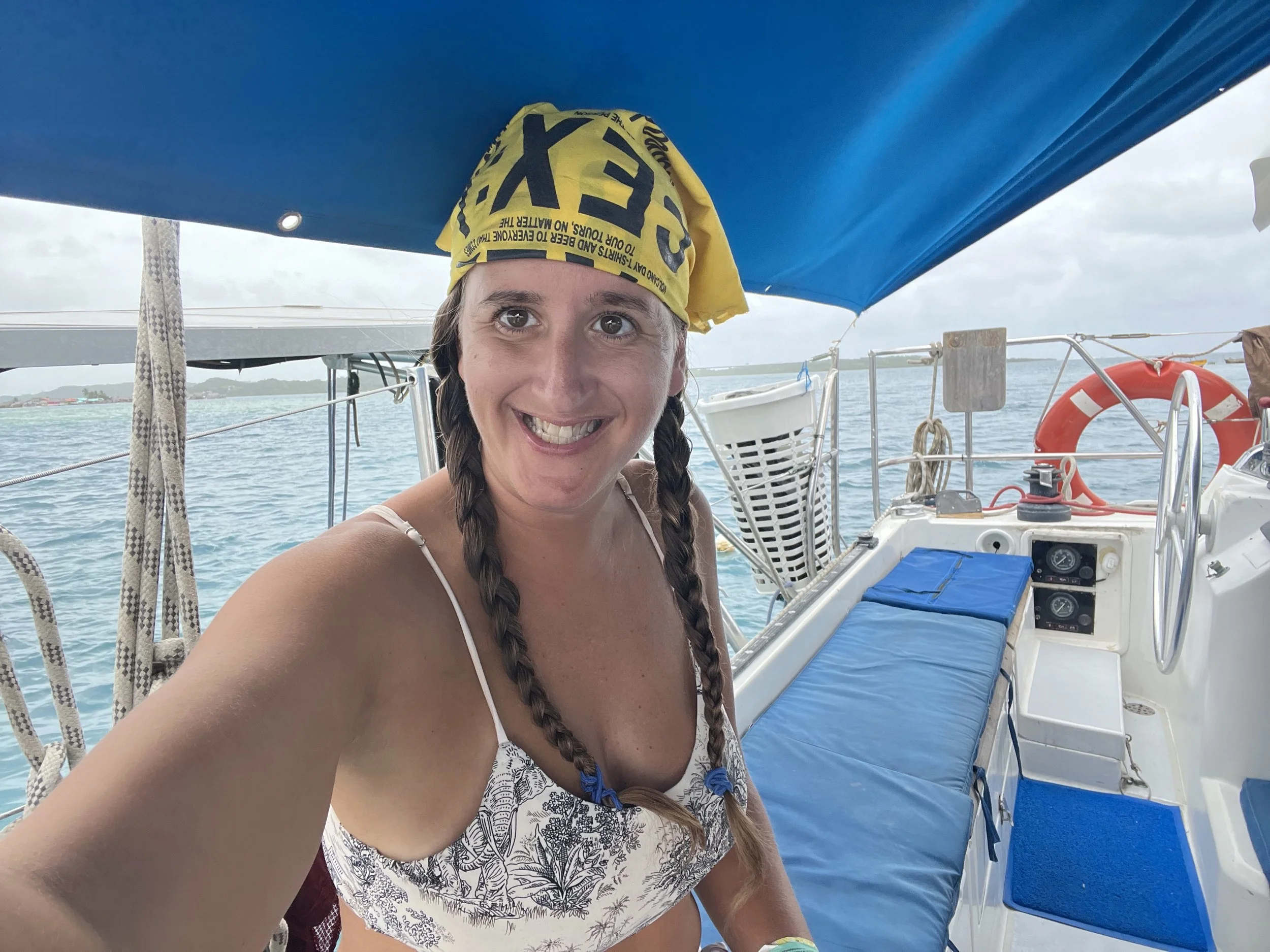
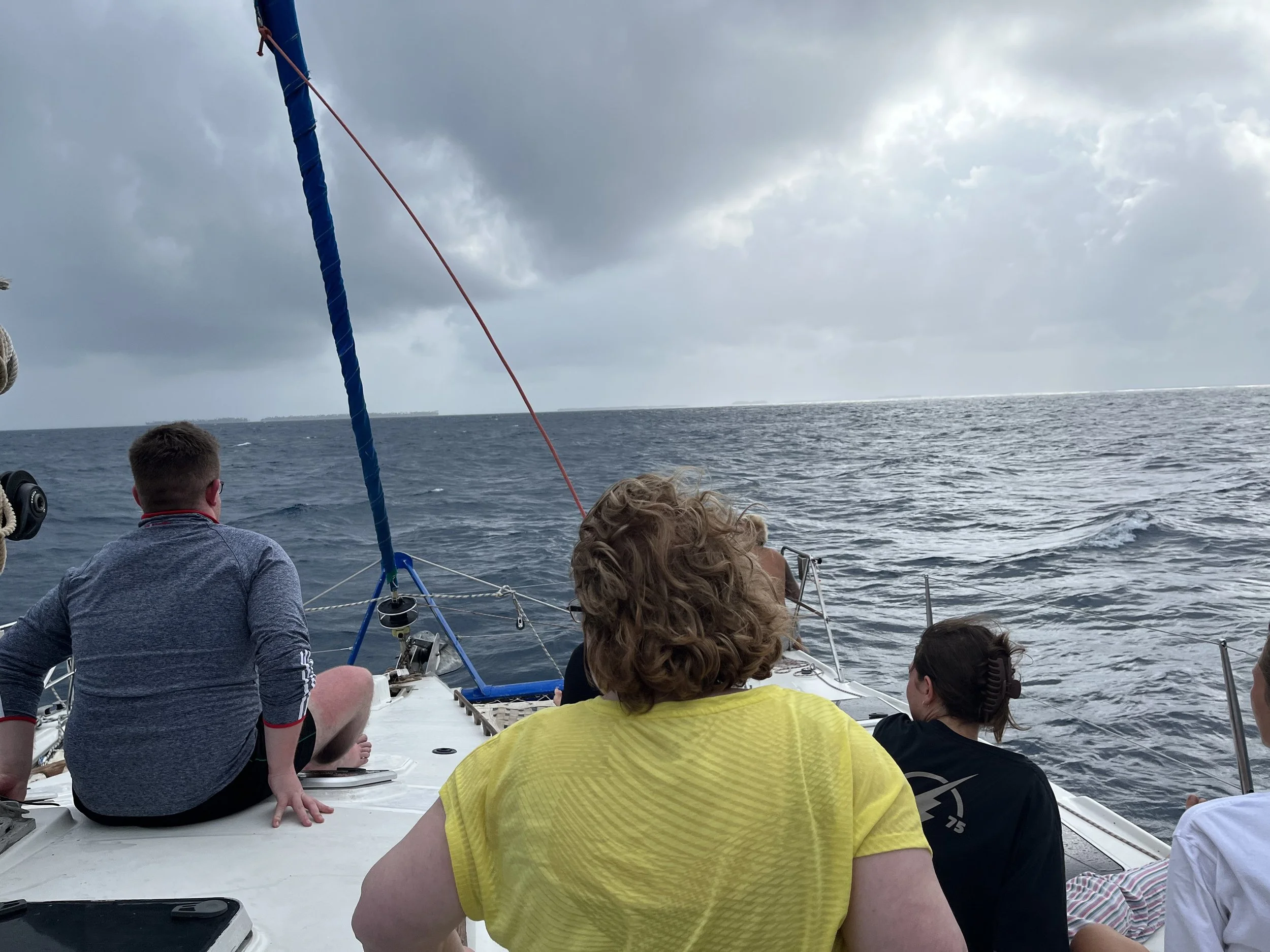
Freshly aboard Nacar 2 and ready for four days of islands, snorkelling and sunshine. At this point, I was still blissfully unaware of how much time I would later spend hiding in bed from seasickness.
1. Getting to the Sailboat Is an Adventure of Its Own
Booking a sailing trip doesn’t mean casually walking from your Panama City hostel onto the boat.
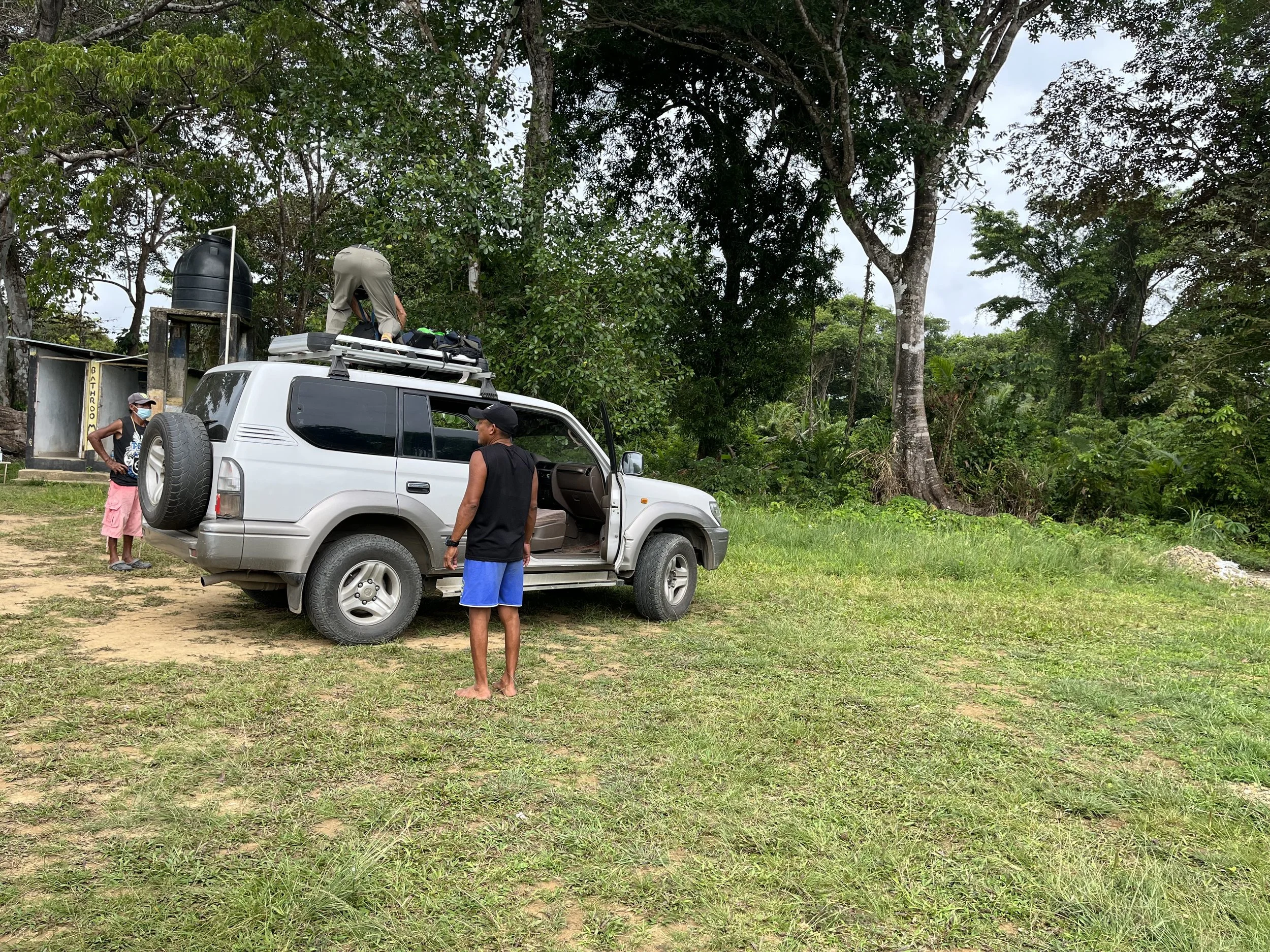
Nacar 2 departed from near Porvenir, and reaching that part of the Caribbean coast required transportation arranged through Blue Sailing. A jeep collected me from my accommodation early in the morning, sometime between 5:00 and 6:00 a.m.
The road required a specially licensed driver, so this wasn’t a journey I could arrange using an ordinary city taxi. After leaving Panama City, we travelled north toward the coast, passing Gatún Lake and the Panama Canal along the way.
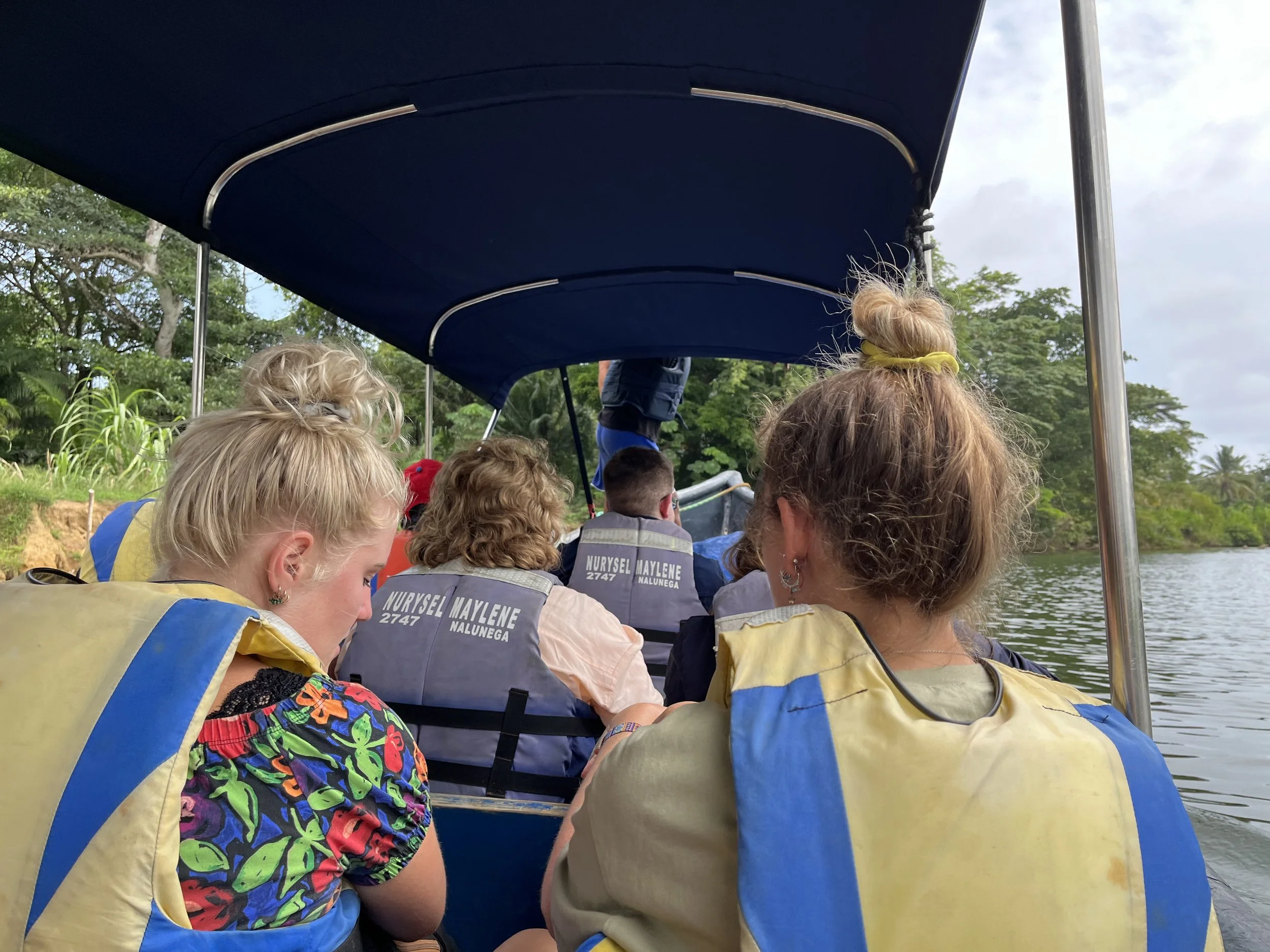
Eventually, we reached a small dock—but Nacar 2 couldn’t pull directly alongside it. The sailboat needed to remain in deeper water, which meant transferring passengers and luggage into a smaller speedboat for the final part of the journey.
Only after the early pickup, drive across Panama and boat transfer did our sailboat finally appear.
It was a memorable way to begin the trip, but travellers should be prepared for a long morning involving several stages. Wear comfortable clothing, keep anything important in a small bag and don’t bury your sunscreen somewhere inside your main backpack.
2. Transportation May Cost Extra
The advertised sailing price may not include the cost of getting from Panama City to the boat.
During my trip, the jeep and speedboat transfers cost approximately $40 to $50 USD in total. That was paid in addition to the sailing package, so it needed to be included in my budget.
The trip itself cost $650 USD because the remaining space was a private double cabin. I paid a $50 deposit to secure the booking and gave the remaining amount to the captain in cash on the day of departure.
That was a substantial purchase for someone travelling through Central America on approximately $1,000 USD per month. However, I viewed it as both transportation to Colombia and a four-day island experience—not simply a place to sleep.
When comparing sailing companies, look beyond the headline price. Ask whether transportation to the coast, island fees, immigration costs, meals, drinks and snorkelling equipment are included. You should also confirm how the remaining balance must be paid.
Having the correct amount of cash is particularly important when your sailboat is waiting offshore and the nearest reliable ATM is back in Panama City.
3. You May Not See Your Large Backpack Again Until Colombia
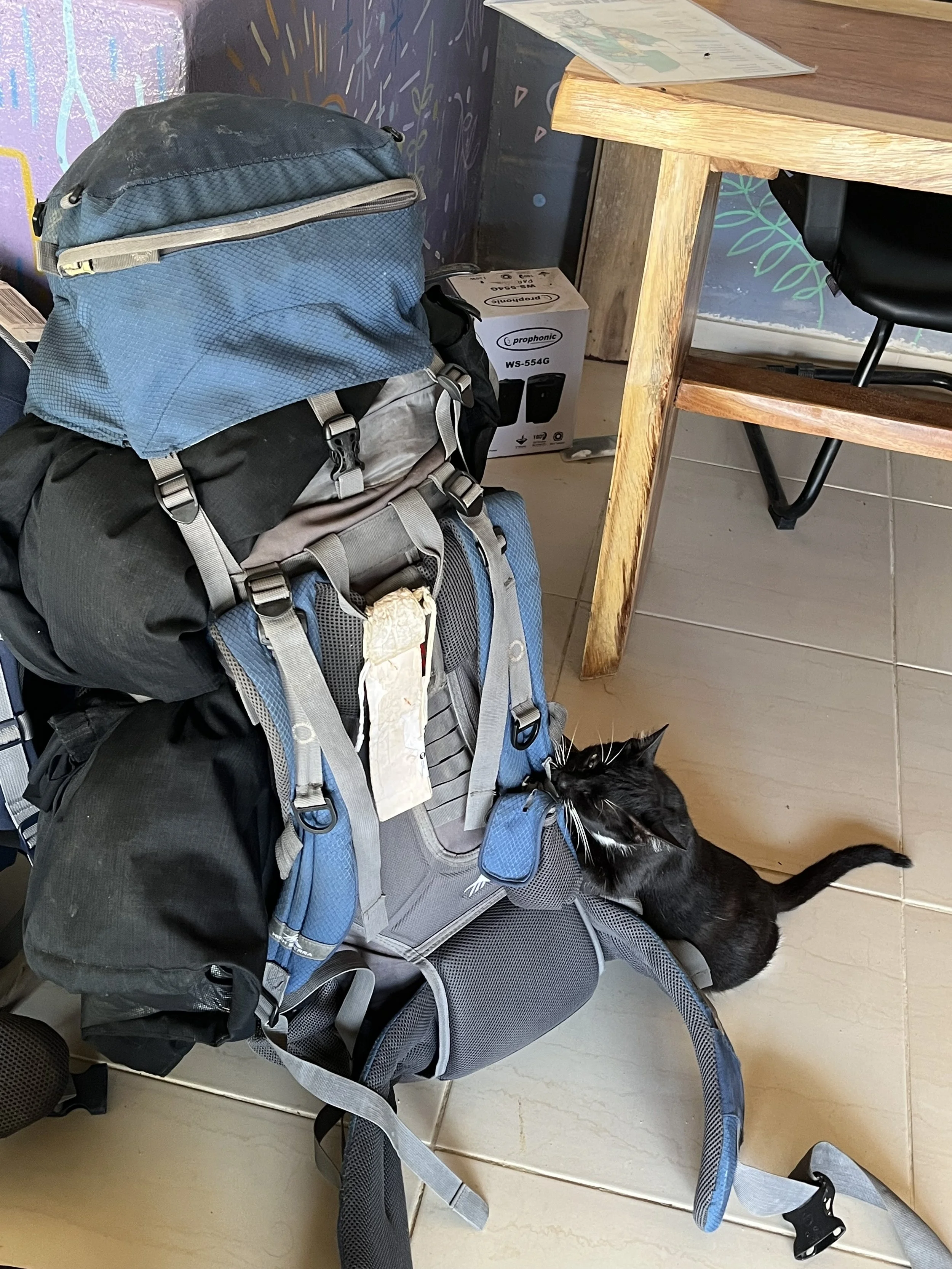
Before we boarded the smaller boat, the staff prepared our large backpacks for storage.
Each bag was wrapped inside a large garbage bag because it could potentially get wet during the transfer. I had also packed many of my belongings inside separate plastic bags as an additional layer of protection.
After losing my phone to the ocean in Santa Catalina, I had become slightly suspicious of water whenever electronics were nearby.
Our main luggage was stored below deck aboard Nacar 2 and remained inaccessible until we reached Cartagena. That meant anything needed during the four-day journey had to be packed inside a smaller bag before the luggage disappeared.
I kept my electronics, toiletries, bathing suit, a few changes of clothing and anything valuable with me. In reality, I spent most of the journey in swimwear, but I still needed dry clothes for sleeping and something appropriate to wear when we arrived in Colombia.
Pack your day bag carefully and assume you won’t be able to retrieve forgotten items from your main luggage. A waterproof pouch or dry bag is useful for electronics, travel documents and money. Keep your passport accessible until the crew tells you otherwise, and bring any medication you might need—including seasickness medication.
4. Life Aboard the Sailboat Is Basic
Nacar 2 carried a family of four, three friends travelling together, another solo passenger and me, along with the captain and crew.
Space was limited, and sleeping arrangements depended on the passengers in each group. The other solo woman and I were assigned the private double cabin.
“Private” sounded luxurious until I realised that we would be sharing one small bed.
I immediately requested the outside position because I regularly wake up during the night to use the bathroom. Fortunately, she agreed, we got along well and neither of us planned to spend much time inside the cabin anyway.
Most passengers gathered outside on deck whenever the weather allowed. The cabin was mainly somewhere to sleep, store a few belongings and escape when I became seasick.
There also wasn’t enough fresh water for passengers to take showers. After several days of swimming, sweating and covering myself in sunscreen, I was very ready for one when we reached Cartagena.
Expect limited privacy, tight sleeping quarters and basic bathroom facilities. This isn’t necessarily a problem if you know what you are booking. The mistake would be arriving with the expectations of a spacious cruise-ship cabin.
5. The Food May Be Better Than You Expect
Our sailing package included meals, snacks, water and juice, along with snorkelling equipment we could borrow during island stops.
A female crew member prepared the meals, and the food was excellent. Considering the limited kitchen space aboard a sailboat, I was impressed by what she managed to serve.
Alcohol wasn’t included.
Naturally, I brought rum.
I also bought beer on one of the islands. Having the option to purchase something cold along the way was a pleasant surprise, but you shouldn’t assume every island will have drinks or supplies available.
If you have allergies, dietary restrictions or strong food preferences, tell the company before departure. Once the journey begins, there isn’t a supermarket around the corner if the available meal doesn’t work for you.
Bringing a few personal snacks is sensible, particularly if you are prone to nausea and prefer something plain when the boat starts moving. Just remember that space is limited and anything you carry onto the boat also needs to travel with you for the entire crossing.
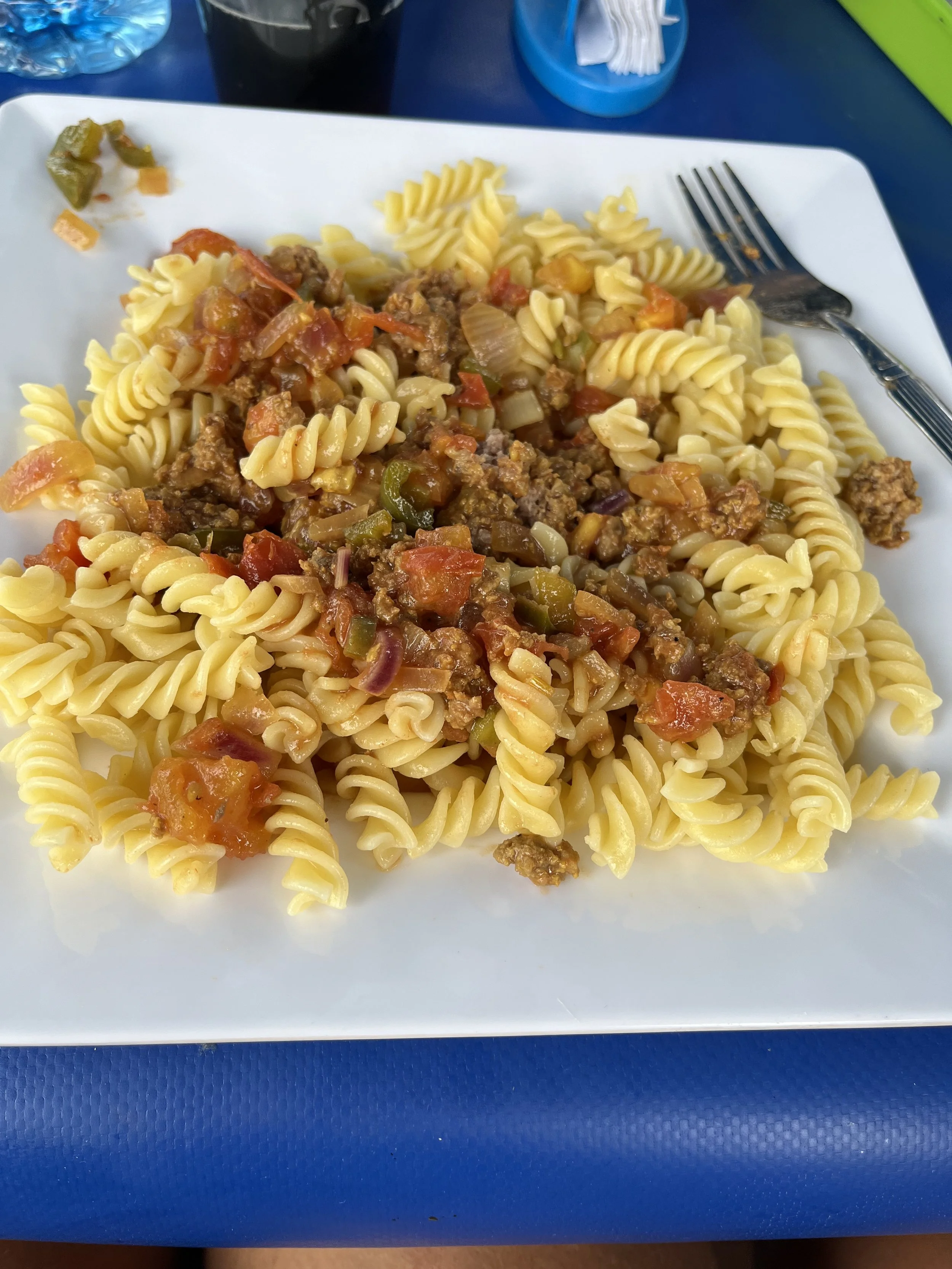
The meals aboard Nacar 2 were much better than I expected. A crew member prepared everything in the tiny onboard kitchen, and I genuinely enjoyed the food throughout the trip.
6. You Will Spend Several Days Island-Hopping
The first part of the journey focused on exploring the San Blas Islands rather than sailing directly toward Colombia.
Whenever Nacar 2 anchored, we used the smaller boat to reach shore or entered the water with snorkelling equipment. At one stop, the island looked close enough that snorkelling there seemed effortless.
It was considerably farther once I was actually in the water.
The swim was tiring, but reaching the beach under my own power made it feel like more of an adventure. Once ashore, I usually wandered around alone, took far too many photographs and investigated whatever caught my attention.
Some islands were nearly uninhabited, while others had families or basic facilities. One had a volleyball court and beer available to buy. We later gathered around a campfire before returning to the boat.
There wasn’t a rigid tourist itinerary filled with scheduled attractions. The experience centred on swimming, snorkelling, walking along the shore and enjoying wherever we had stopped.
Bring reef-safe sunscreen, a hat, comfortable swimwear and footwear suitable for hot sand and uneven shorelines. Most importantly, be ready to spend nearly all day outside.
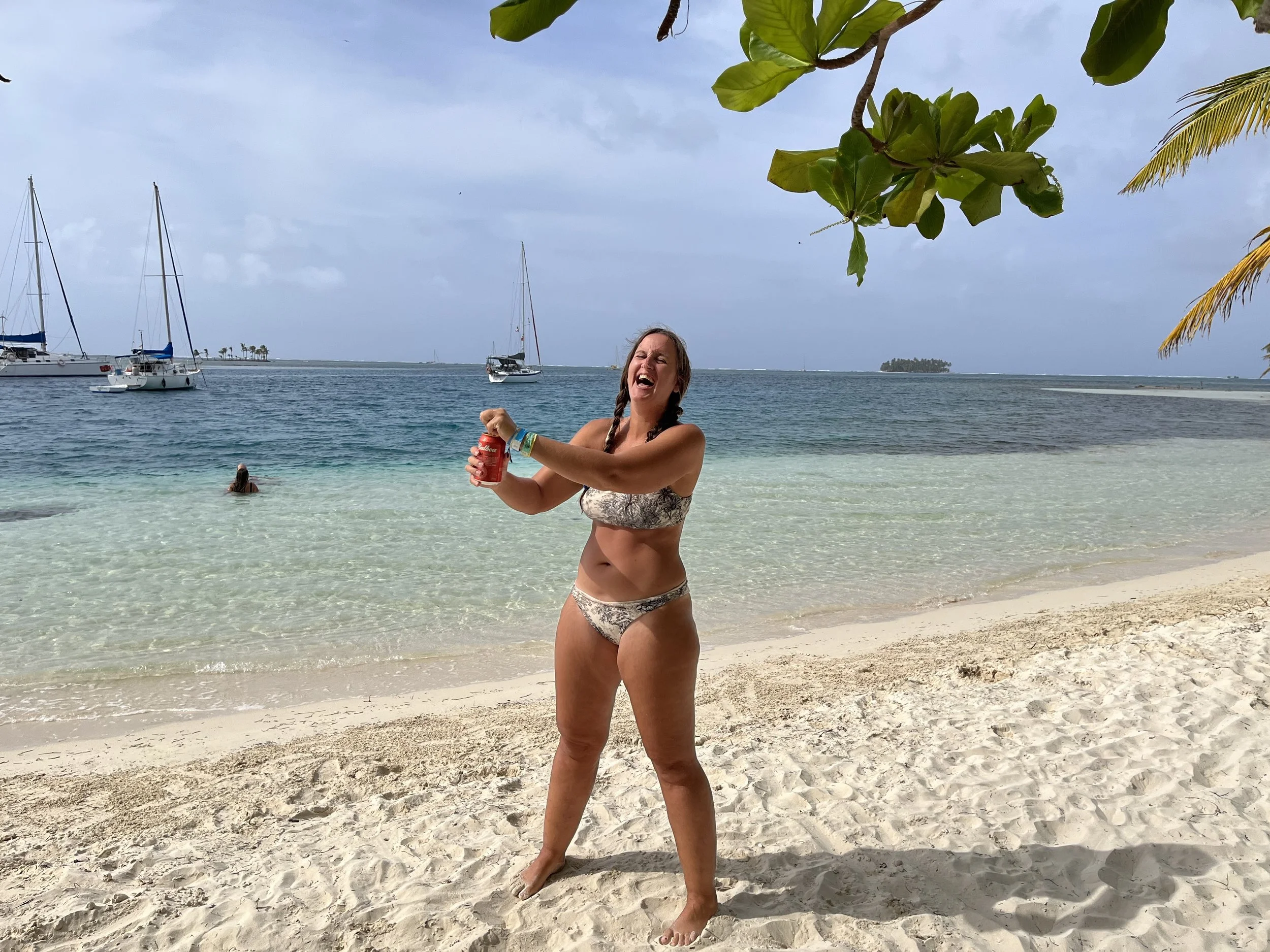
Alcohol wasn’t included in the sailing package, but beer was available to buy on some of the islands. Clearly, opening the can was more challenging than reaching the island.
7. The Islands Are Beautiful—but Not Flawless
The San Blas Islands delivered the tropical scenery I had imagined: turquoise water, white sand and palm trees leaning toward the Caribbean.
Some were small enough to explore on foot without needing directions. I loved walking around as though I were an explorer, finding quiet corners and taking pictures away from everyone else.
I was particularly fascinated by coconuts in different stages of growth. I don’t like eating coconut, but after living and travelling in tropical parts of Asia, I had only paid attention to fully grown palm trees. In San Blas, I saw fallen coconuts sprouting and young palms at different stages of development.
However, some shorelines were also covered in garbage that had washed in from the sea.
Seeing plastic and rubbish scattered across otherwise beautiful, uninhabited islands was upsetting. It was a reminder that remote places are not protected from pollution simply because few people live there.
San Blas is beautiful, but visitors shouldn’t expect every island to resemble a perfectly maintained resort beach. The islands are real places affected by environmental problems—not scenery arranged exclusively for tourists.
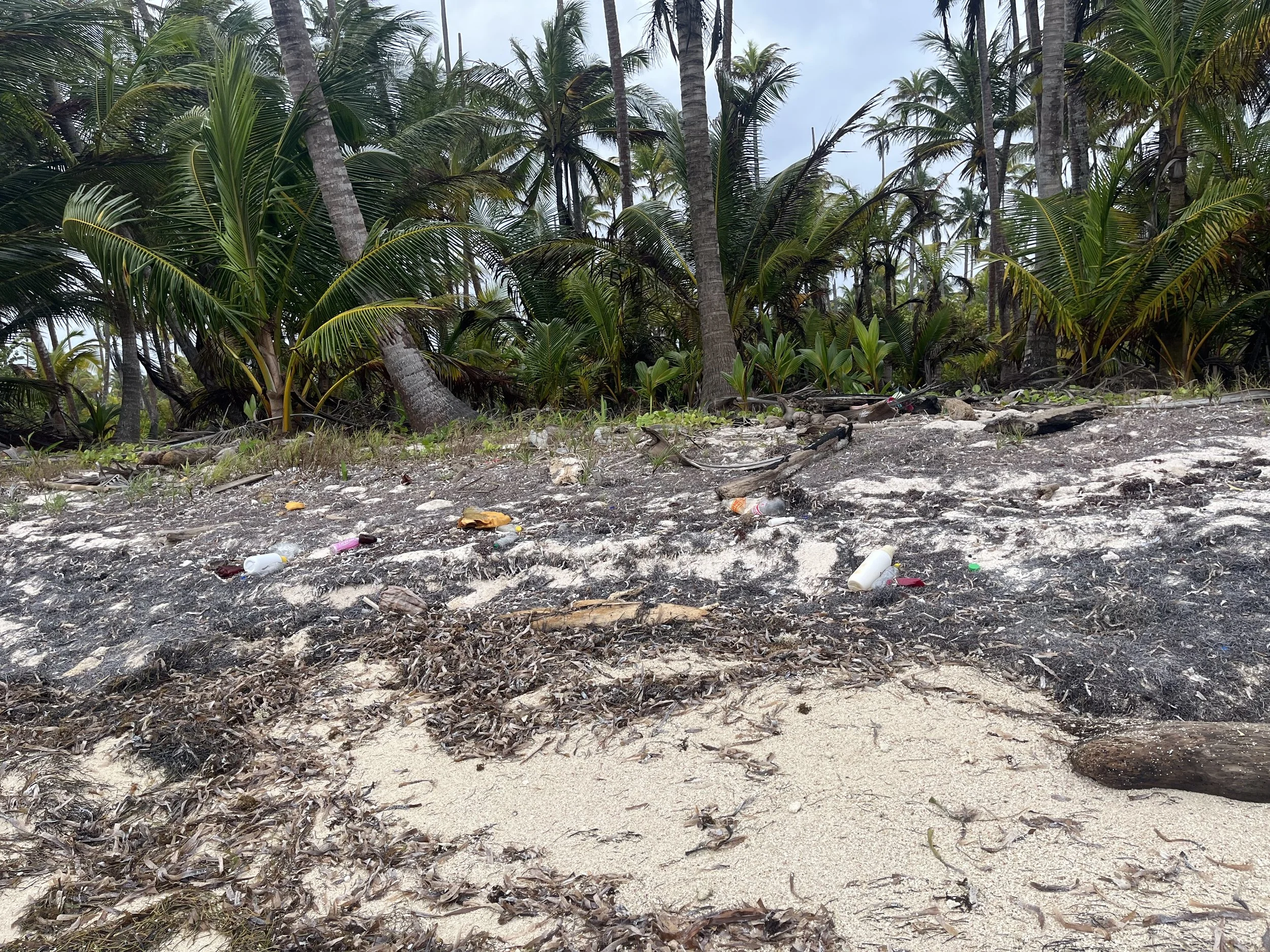
The San Blas Islands were beautiful, but they weren’t untouched. Rubbish had washed ashore on some of the uninhabited islands—a sad reminder that even remote beaches aren’t protected from ocean pollution.
8. You Are Visiting People’s Homes
Not every island in San Blas is uninhabited.
Some are home to local families and communities, and visiting them is different from arriving at a resort designed entirely around travellers. On one island, our boat delivered supplies to a family living there. A man on the island also had a monkey that appeared to be his pet.
That stop felt very different from wandering around an empty beach.
Follow the instructions provided by your captain or guide, respect private areas and ask before photographing residents. If drinks, crafts or other items are available to purchase, carry small amounts of cash rather than assuming cards will be accepted.
It is easy to become focused on the scenery and forget that the islands are more than a tropical playground. Travellers are visitors, and the people who live there should be treated with the same consideration you would expect from someone entering your community.
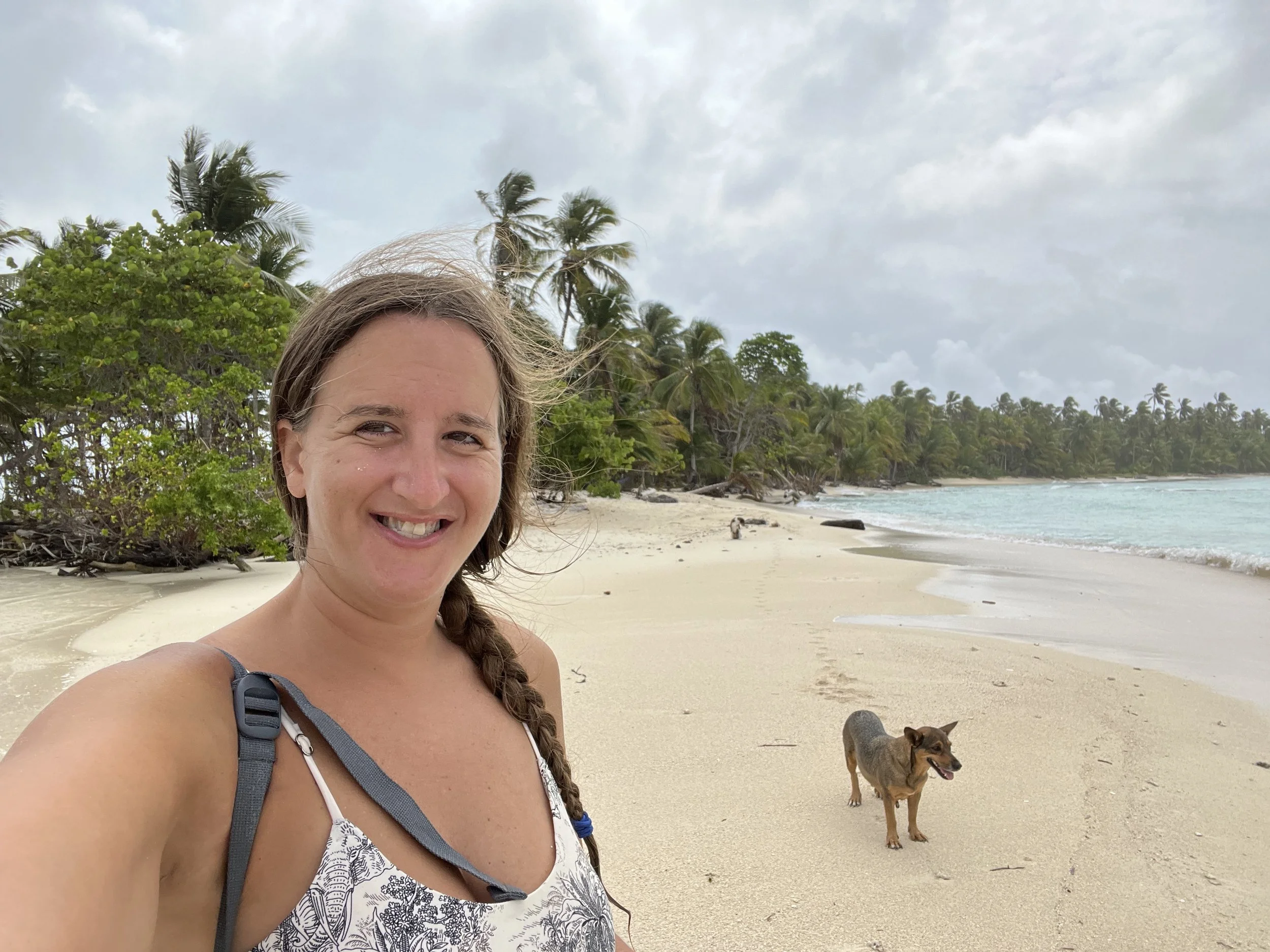
I didn’t photograph the family living on this island, but I did meet one of their dogs while exploring the beach. Not every island on the sailing route was uninhabited.
9. The Open-Water Crossing Can Be the Hardest Part
Sailing calmly between the islands did not prepare me for the longer crossing toward Colombia.
Before entering open water, the crew warned everyone that conditions could change and told us to follow their instructions if anything happened. The weather never became especially severe, and I had previously worked on fishing boats, so I didn’t expect the movement to affect me very much.
My stomach disagreed.
Once we reached open water, I became nauseated and retreated to my cabin. I spent almost 24 hours lying in bed and sleeping while the sailboat continued toward Cartagena.
The captain rested during part of the night while another crew member remained awake to navigate. Knowing someone was monitoring the boat helped, but I was mostly too busy trying not to move.
If you are prone to seasickness—or even if you think you aren’t—bring appropriate medication and ask a pharmacist or doctor how and when to take it before departure. Waiting until you already feel terrible may be too late.
The island-hopping portion and open-water crossing felt like two completely different experiences. The first was tropical exploration. The second was endurance.
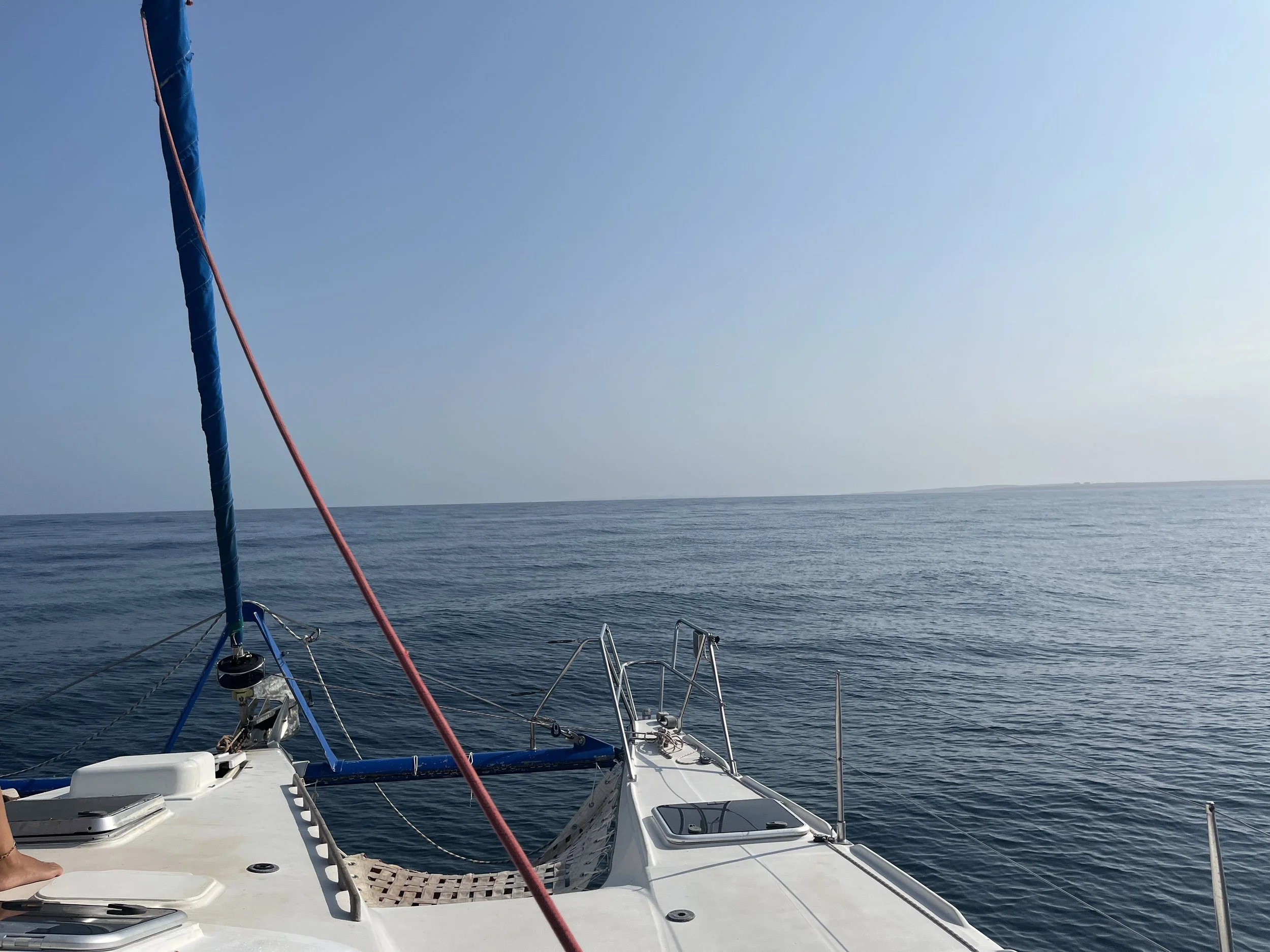
Once we left the sheltered islands and entered the open sea, the experience changed completely. The movement didn’t look dramatic, but it was enough to make me nauseated and send me to bed for almost 24 hours.
10. Crossing the Border by Sailboat Is Surprisingly Simple
Once Nacar 2 approached Cartagena, the water became calmer and I finally emerged from my cabin.
I ate some food, drank juice and returned to the deck just in time to see dolphins swimming near the front of the boat. After losing most of the previous day to seasickness, spotting them immediately improved my mood.
This was my first time crossing an international border by boat, but the actual immigration process was surprisingly straightforward.
The captain collected our passports and handled passport control on our behalf. We waited aboard for approximately two hours before he returned. The crew then retrieved our large backpacks from below deck and loaded everything into the smaller boat for the final trip to the marina.
After four days in bathing suits, everyone needed to put on enough clothing to arrive in Colombia looking vaguely presentable.
The one thing none of us seemed to have was Colombian pesos.
Once ashore, several of us found an ATM, figured out how it worked and then waved down taxis. I shared one with the three friends from the boat because our hostels were in the same general area of Cartagena.
Keep your passport, payment cards and a small amount of emergency money accessible when you arrive. Your sailing company may manage immigration, but getting from the marina to your accommodation is still your responsibility.
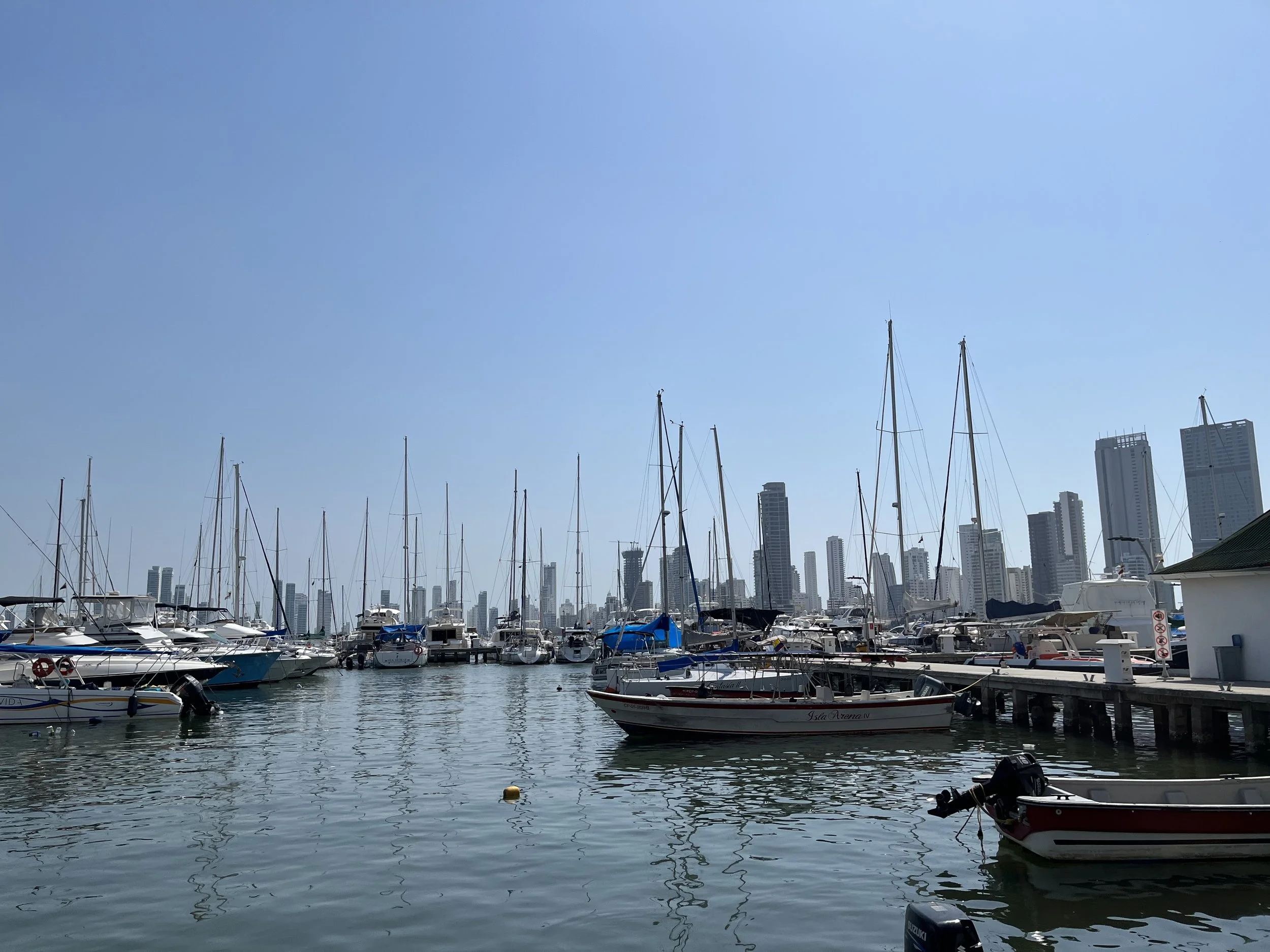
We waited at the marina while the captain took our passports to immigration. A couple of hours later, he returned with everything stamped, and I had officially entered Colombia by sailboat.
Final Thoughts
Sailing from Panama to Colombia through the San Blas Islands was more complicated, expensive and uncomfortable than flying.
It was also infinitely more memorable.
The trip combined transportation with several days of snorkelling, island exploration and life aboard a small sailboat. It gave me beautiful Caribbean scenery, excellent food, a few beers, the rum I wisely brought with me and my first international border crossing by boat.
It also gave me tight sleeping quarters, four days without a shower and almost 24 hours of seasickness.
You need to arrive with realistic expectations. This is an adventure rather than a luxury cruise, and flexibility matters far more than having a perfectly planned schedule. Pack carefully, protect your electronics, bring seasickness medication and confirm exactly what your package includes before leaving Panama City.
Would I choose the sailboat over a short flight again?
For a once-in-a-lifetime journey through San Blas, absolutely.
The plane would have been easier—but I wouldn’t still be telling stories about it.
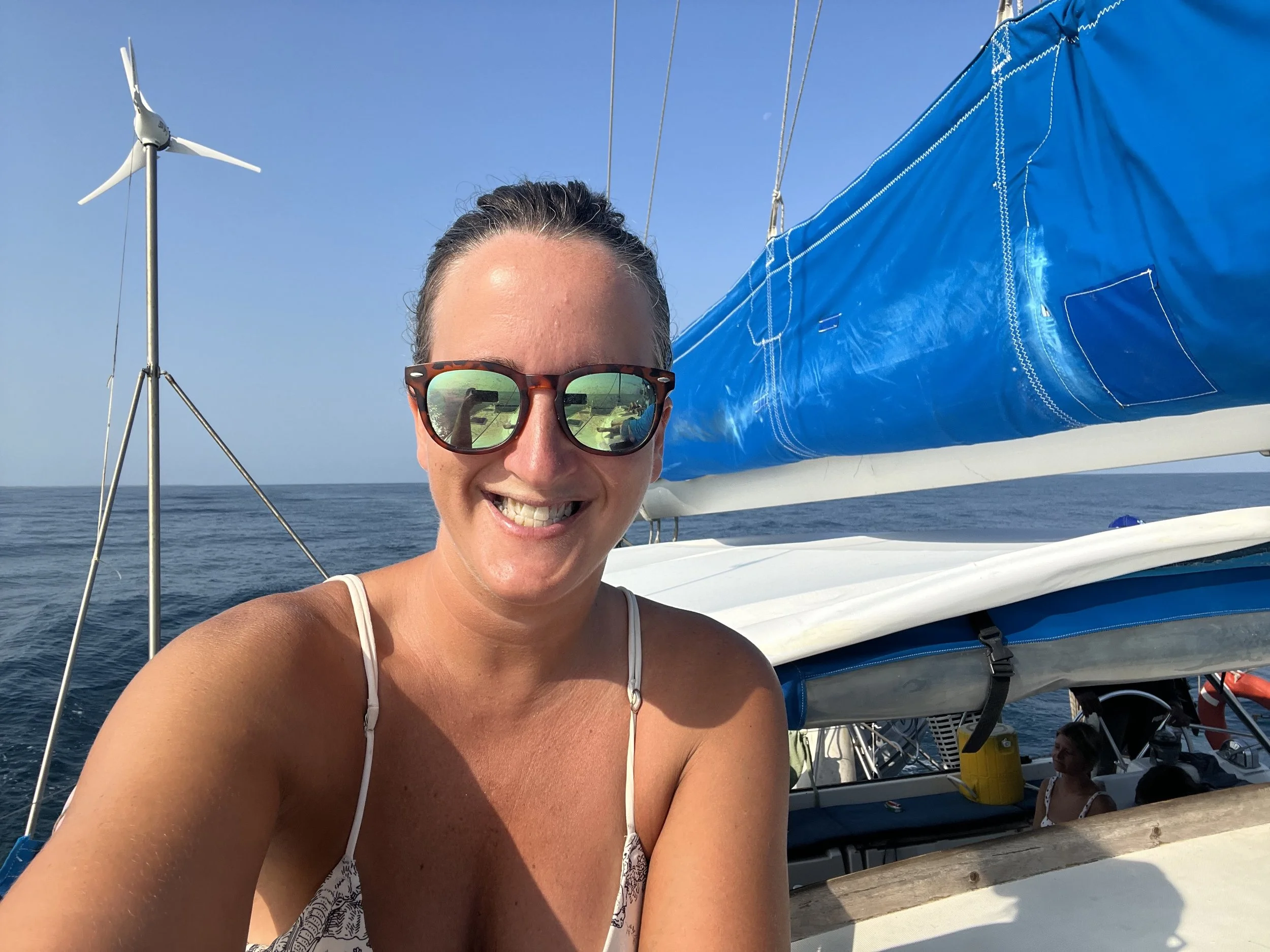
After spending most of the open-sea crossing asleep in bed, I finally resurfaced on the last day to enjoy the sunshine—and remembered why I had chosen this adventure in the first place.
Enjoyed this story? Toss a tip in the jar—thanks for reading.
Explore Panama
Are the San Blas Islands Worth Visiting? The Short Answer
Panama Travel Guide & Tips
Top 10 Places to Visit in Panama
Panama Story # 1 - Panama City Without a Plan: Canals, Monkeys and Rooftop Views
Panama Story #2 - I Lost My Phone in Santa Catalina, Panama—and Still Loved It
Panama Story #3: Three Buses, Three Waterfalls and a Flight of Beer in Boquete, Panama
Is Boquete, Panama Worth Visiting? My Honest Review After Two Nights
Panama Story #4: I Hiked Up a Mountain to Stay at Lost and Found Jungle Hostel in Panama
Panama Story #5: Rum Punches, Starfish and a Pirate Ship in Bocas del Toro, Panama
Panama Story #6: Four Days Sailing from Panama to Colombia Through the San Blas Islands
